How Hard Is The Overland Track On A Guided Walk?
A plain-language answer to how hard the Overland Track is on a guided walk, covering the Grade 4 rating, daily distances, weather and easier guided alternatives in Tasmania.
Short answer
The Overland Track is a Grade 4 walk of 65 km one way, usually six days, in alpine country where weather changes fast. Operators that guide it describe up to 6 or 7 hours of walking a day on 7-day versions. Fitness matters on any version, guided or not: check with your doctor and tell the operator when you book.
If you are weighing up a guided walking holiday in Tasmania, the choices start on the guided walks hub, where the lodge-based and hut-based options sit side by side. Difficulty is the first question most people ask, and the Overland Track sits near the top of the scale. The numbers tell the story: a Grade 4 track, 65 km end to end, six days of walking, and alpine weather that can turn in an afternoon.
Quick Facts
| Fact | Detail |
|---|---|
| Track length | 65 km one way |
| Typical duration | 6 days |
| Track grade | Grade 4, per the Parks and Wildlife Service |
| Booking season | 1 October to 31 May inclusive |
| Independent walker quota | Up to 34 departures per day, north to south only |
| Adult track fee | A$312, including park entry and the Cradle shuttle |
| Winter window | 1 June to 23 September, registration only with a park pass |
| Guided walk length | 7-day versions at the operators that guide it |
The Overland Track is a Grade 4 walk covering 65 km one way, usually completed in six days, which makes it a demanding multi-day hike rather than a casual stroll. A guided version does not change the terrain underfoot or the weather above it, so the track remains exactly as hard with a guide as without one. The Parks and Wildlife Service sets the grade, the distance and the direction, and a guide changes what you carry and who makes the decisions, not how steep the saddles are or how quickly cloud rolls onto the plateau. Operators that guide the track describe their 7-day trips as involving up to 6 or 7 hours of walking on a walking day. Anyone considering it should check with their doctor and tell the operator about fitness concerns when booking.
Grade 4, in the Australian Walking Track Grading System, is the second highest grade used for promoted walking tracks. It signals steep sustained sections, rough surfaces and a walk that asks for fitness and some bushwalking experience. The track climbs over the Cradle plateau early, drops into valleys, climbs again. There is no point at which the track becomes flat and stays flat.
A guided walk reshapes the difficulty in three practical ways. First, someone else navigates: no map reading, no route finding in fog, no decision fatigue at junctions. Second, on lodge or hut-based versions the carrying load drops, because the operator handles food and gear logistics. Third, the pacing is set by a guide who walks the route repeatedly, which tends to spread the effort across the day rather than rushing it.
What a guide cannot do is carry your legs up the saddles. The single most useful question to ask any operator before booking is what a typical walking day looks like: how many hours, how many breaks, and what happens to the schedule if the weather turns. Ask the operator what pace to expect.
The Parks and Wildlife Service's own Overland Track page is the reference for the grade, the season and the fee. Treat any description of the track that contradicts it with caution, including ones that make it sound like a stroll.
For walkers who read all that and want something gentler but still guided and multi-day, there are lodge-based options with an easier grade, covered further down.
What Grade 4 Means Day To Day
Day to day, Grade 4 means sustained steep climbs and rough, sometimes muddy surfaces underfoot. These are walking days that reward preparation over heroics, and that level of effort continues day after day for the length of the trip, so what you do before the walk matters as much as anything you do on it. The grade is assigned by the Parks and Wildlife Service and covers the whole 65 km: the alpine plateau section near the start, the forested valley floors, and the exposed ridgeline near the end. On a 7-day guided version, an operator describes walking days of up to 6 or 7 hours. That is walking time, not including breaks, and it happens on consecutive days with no road escape once you are committed.
Compare that with what the same body might do at home. Six hours of walking on footpaths is a long Sunday. Six hours on rock, root and mud, carrying what you need for the day, on the fourth day in a row, is a different proposition. Nobody needs to be an athlete, but base fitness, tested on hills with a loaded pack before departure, changes the experience from endurance to enjoyment.
The track surfaces vary. Boardwalk carries you across the button-grass plains, and much of the track is well formed, but the alpine sections can be wet, and snow can fall at any elevation in any season without warning. That is not a reason to stay home; it is a reason to pack layers and to ask the operator exactly what gear they supply versus what you bring.
Ask the operator these questions before paying a deposit:
- How many hours of walking on the longest day, and is that typical or the worst case?
- What happens to the itinerary when the forecast turns bad?
- What pack weight do walkers carry on the trip?
- What does the operator consider adequate preparation?
| Difficulty factor | Independent walk | Guided walk |
|---|---|---|
| Navigation | You carry map and compass | Guide leads |
| Food weight | You carry all meals | Operator logistics vary, ask the operator |
| Daily pace | Yours alone | Set by the guide, ask the operator |
| Direction in season | North to south only | North to south only, same rule |
| Track grade | Grade 4 | Grade 4, unchanged |
How Far You Walk Each Day
The track is 65 km one way over about six walking days, which averages out near 11 km a day, but the days are uneven, with some sections short and gentle and others combining climbing and distance in one push. The finish is its own quirk: the walk usually ends at Narcissus Hut, where walkers either take a privately run ferry across Lake St Clair to the visitor centre, a separate fee with booking required, or add a 17.5 km walk along the lake shore. That final choice belongs to the walker, guided or not, and both options take real time.
Independent walkers are capped at up to 34 departures a day in the booking season, walking north to south only, with a maximum of 8 per booking. Guided groups work inside the same seasonal rules. The fee, A$312 for an adult in the booking season, includes park entry and the Cradle shuttle; transport to the start and from Lake St Clair is not included in the track fee.
Distances on multi-day walks mislead people in both directions. Eleven kilometres sounds trivial to a road walker and exhausting to someone whose longest recent walk was to the shops. Daily distances are modest, but the daily effort is not, thanks to gradient, surface and pack weight. Consecutive days compound it: tired legs on day three walk day four.
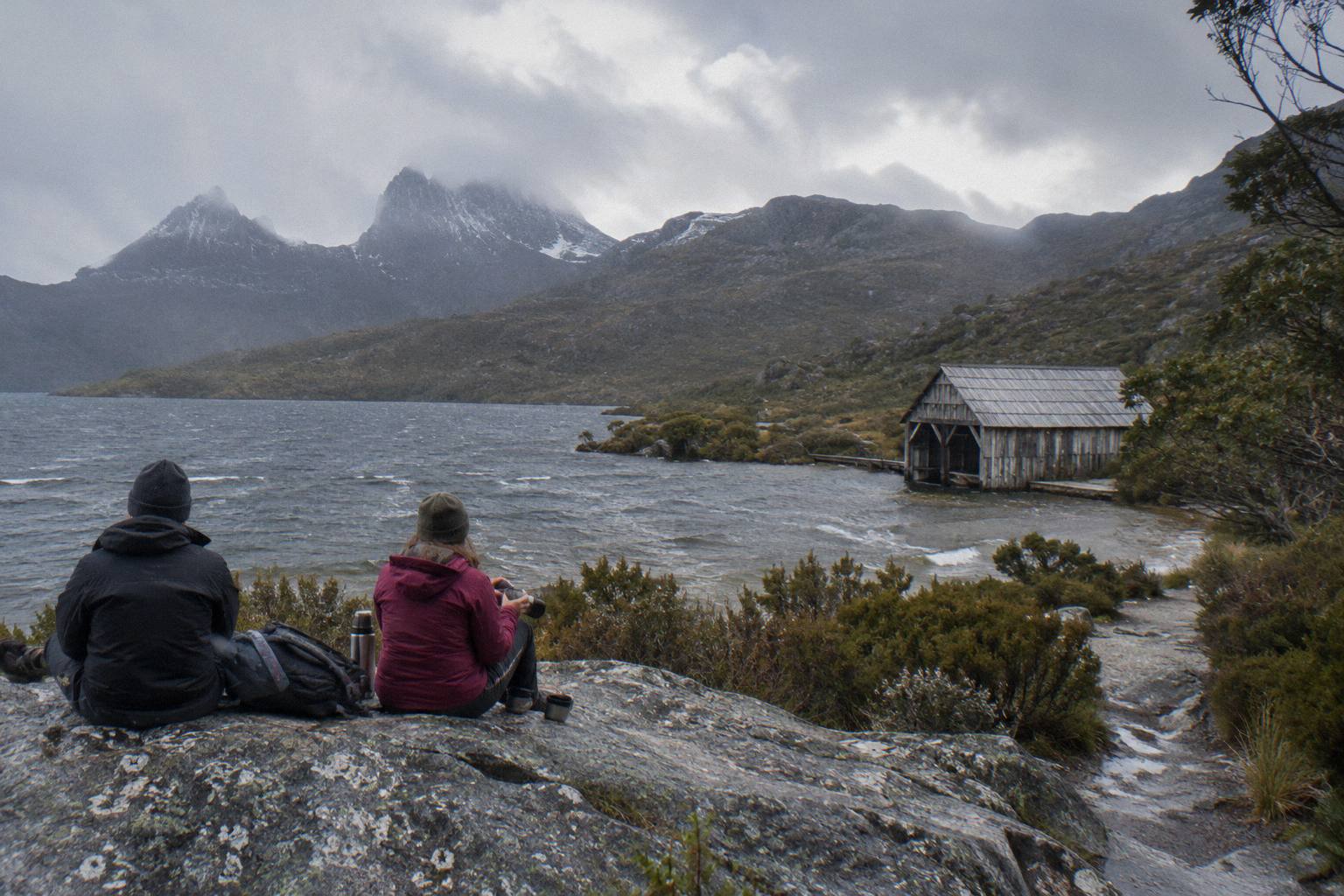
Getting to the start involves its own logistics. The Cradle shuttle runs seven days a week from the visitor centre to Dove Lake, about 20 minutes, with seasonal times, and private vehicles are not allowed in the park during shuttle hours. Whether a guided operator arranges your start-point transport is one of the questions to ask before booking, since the track fee itself does not cover it.
How A Guided Walk Changes The Difficulty
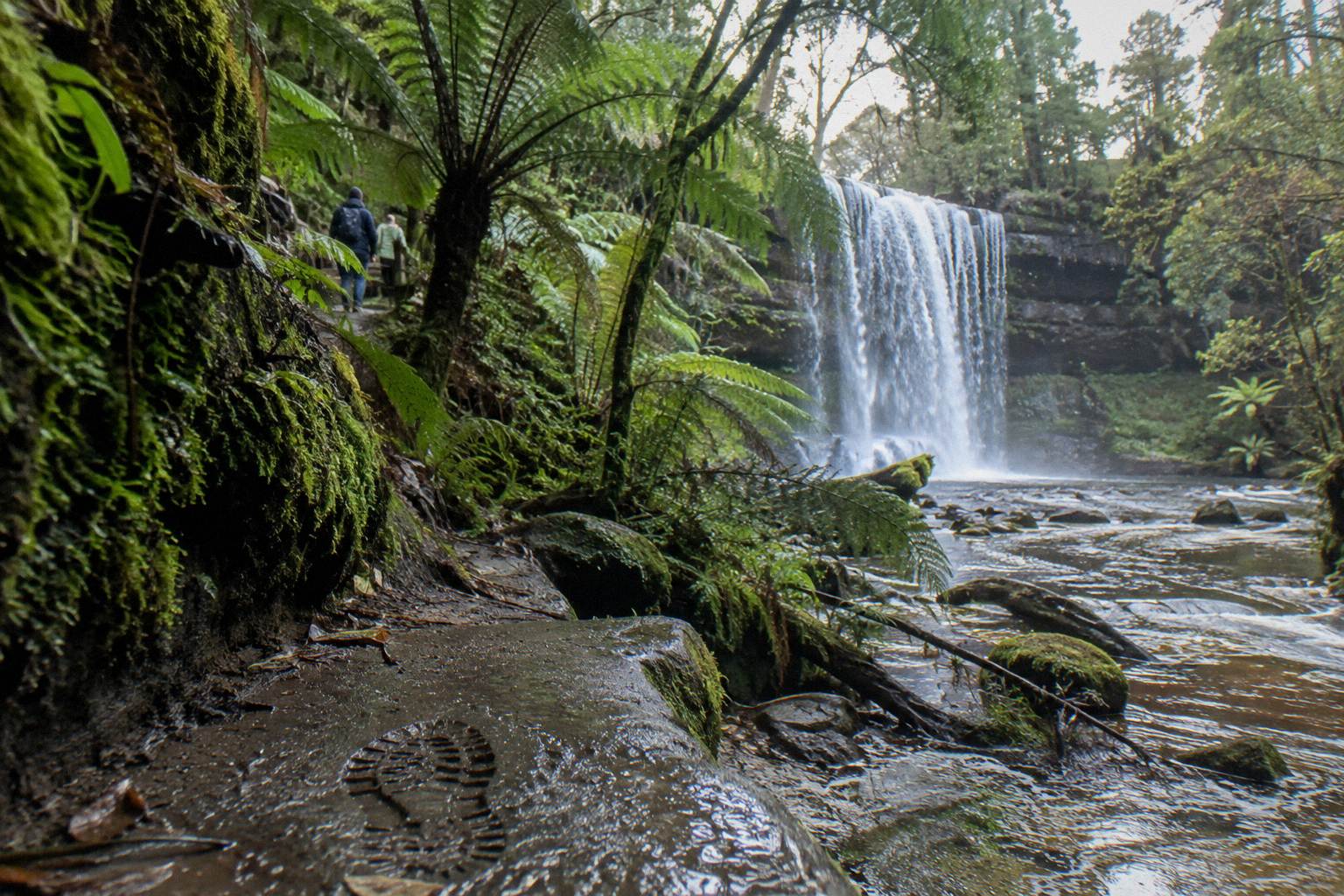
A guided walk changes the difficulty mainly by removing route-finding, planning and most daily logistics from your personal load, so your energy goes into the walking itself rather than the decisions around it. That shift is a bigger reduction in difficulty than most people expect before they commit, and it is often the difference between a trip feeling intimidating and feeling manageable. The two operators that run guided Overland walks from their own sites both start at Red Feather Inn, Hadspen, near Launceston, which matters for planning flights and the night before. Tasmanian Walking Company runs a 7-day Overland Track Signature Walk with daily departures from 1 October to 1 May, and a 5-day signature version on selected dates in October to November and April to May. Tasmanian Expeditions runs a 7-day Overland Track Cradle Huts walk, describing up to 6 or 7 hours of walking a day.
Neither of those walks can be booked on Tasmania Multi-Day Tours, and no tour operator's own-site price is quoted here. They are named as operator facts from their own sites, because a reader deciding difficulty needs to know who actually guides the track and what they say about it.
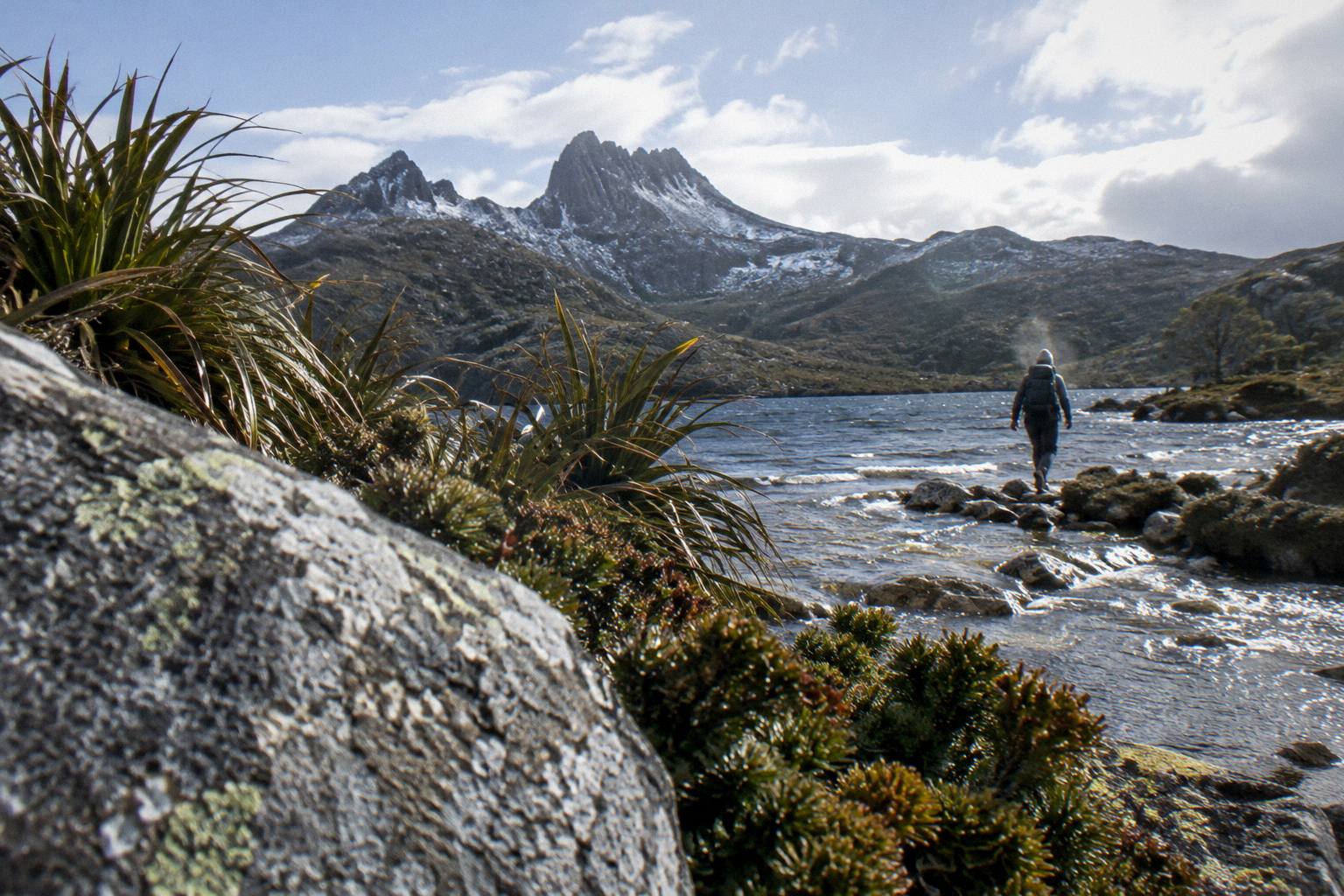
The guided advantages stack up across the week:
- No navigation decisions in cloud or at tired junctions.
- Group gear and food logistics handled by the operator, per the operator's own description.
- A guide who reads weather windows and adjusts plans.
- Set departure dates, which forces the training calendar the track deserves.
What guiding does not remove is the grade, the distance or the weather. A walker who struggles with six hours on hills at home will still struggle on the track, just with better company and fewer decisions. Preparation, not the guide, closes that gap.
Weather, Layers And The Real Challenge
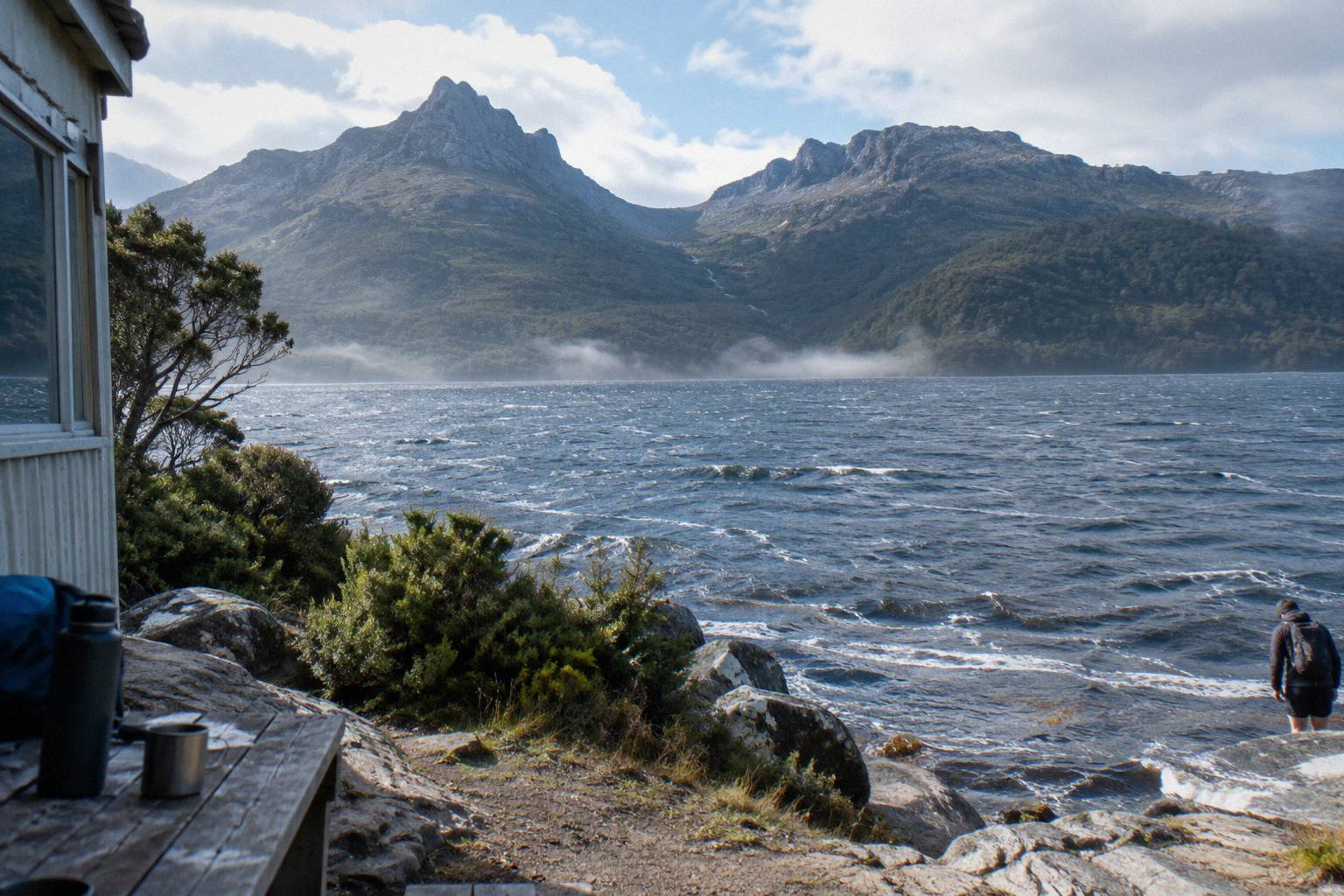
The real challenge of the Overland Track is usually not the kilometres. It is the alpine weather, which changes fast and demands layers at any time of year, on any departure date, and regardless of who is leading the group, so pack for every condition and treat clothing as essential gear rather than an afterthought. Long-run averages exist for Hobart and Launceston, and no month is a snow-free promise. The safe planning rule is the one the Parks and Wildlife Service repeats in different words: weather changes quickly, carry layers, and be ready for all four seasons in one day.
The Bureau of Meteorology's long-run averages for Hobart show a mean maximum of about 21.8 degrees in January falling to about 11.9 in July, with minima from about 12.1 down to about 4.7. Launceston Airport averages are similar in shape. Those are city and lowland stations, useful only as a rough seasonal shape; the track sits higher and colder. Treat every figure as a starting point, not a forecast.
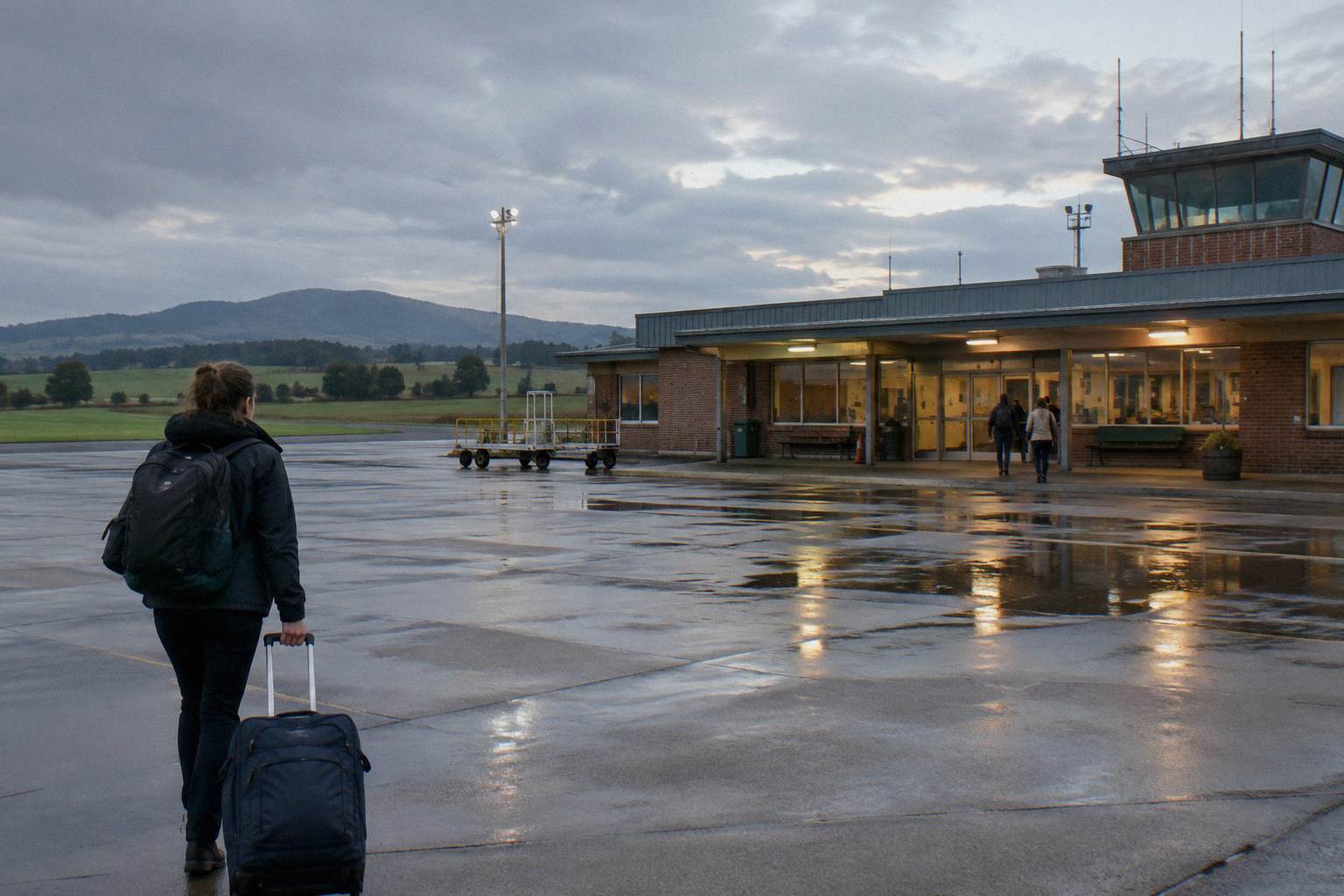
Weather interacts with difficulty in concrete ways. Wet rock and mud slow every step. Cold adds fatigue on the same climb. Wind on the exposed sections changes what is comfortable and what is wise. Guides manage the risk, but walkers bring the fitness and the clothing. Neither the operator nor the calendar promises a dry week, and any packing list for the walk leads with waterproofs and warm layers regardless of the departure month.
Ask the operator for the recommended gear list early, and treat it as a requirements document rather than a suggestion.
Who The Walk Suits, And Who Should Ask More Questions
The Overland Track on a guided walk suits people with solid base fitness, some hill-walking history, and a doctor's clearance for sustained multi-day exertion in changing weather. Walkers without those three things are the ones who should ask more questions, of their doctor and their guiding company, before committing to the track. It does not suit anyone treating it as a first multi-day walk in remote country, and no guide or lodge removes that reality. The questions below matter more than any rating or review score, and every one of them is answerable before money changes hands. Nothing here is a medical judgement: check with your doctor and tell the operator when you book.
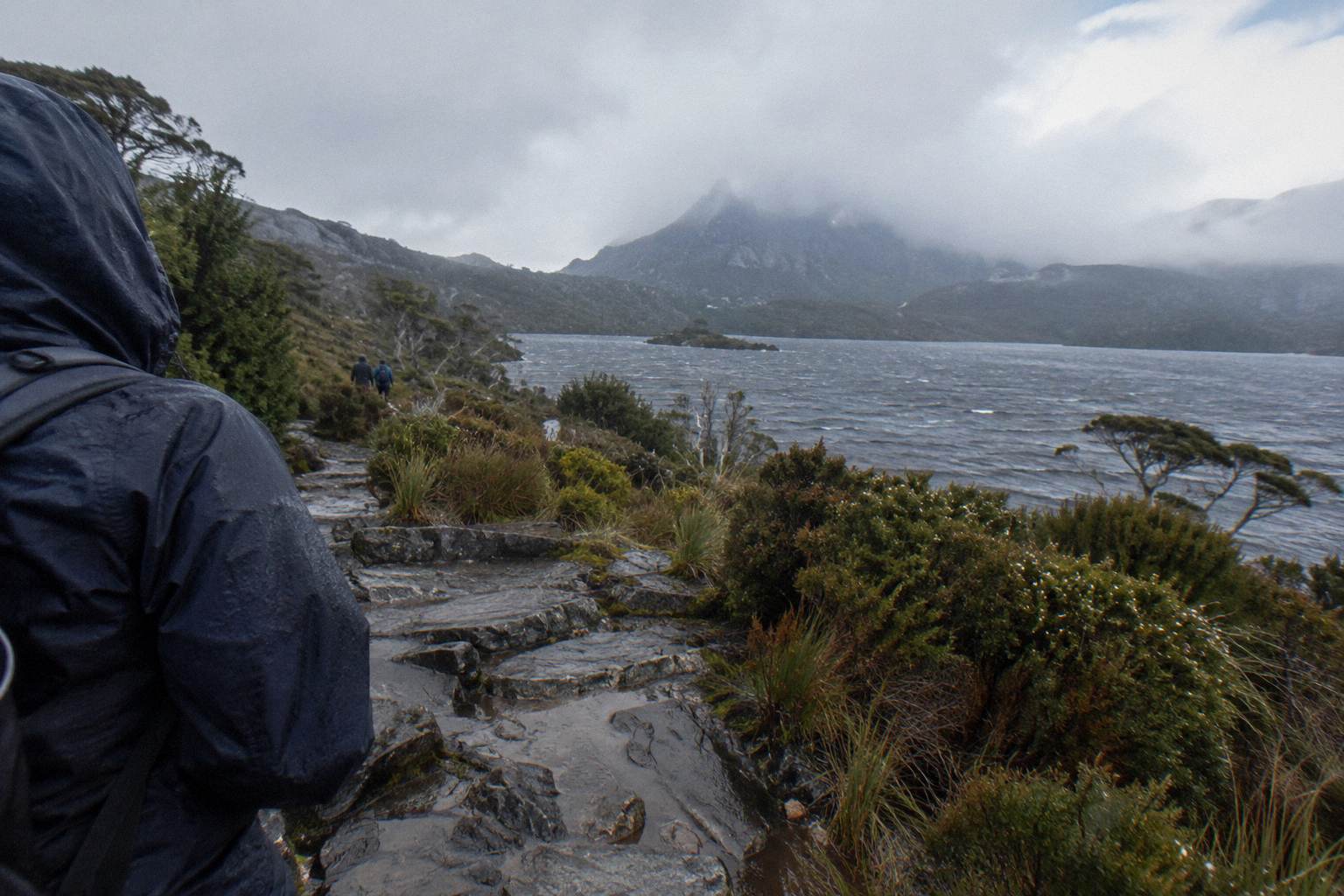
A suitability checklist:
- Can you walk six hours on hilly terrain, then do it again the next day?
- Have you walked with a weighted pack, at whatever weight your operator specifies?
- Has your doctor cleared you for sustained exertion at altitude-ish elevations?
- Does the operator's stated pace, asked directly, match your comfortable pace?
- Do you have the layers and waterproofs the operator lists?
For travellers who want guided, multi-day and spectacular but at Grade 3 rather than Grade 4, the Three Capes Track is the standard answer. The Parks and Wildlife Service describes it as 4 days, 3 nights, 48 km, hut-based, Grade 3, with a fee of A$650 for an adult that includes park entry, a guidebook, a Pennicott Wilderness Journeys cruise of up to 75 minutes from Port Arthur Historic Site and the bus from Fortescue Bay to Port Arthur. That self-guided hut walk is a different product from the guided lodge walk described below, and the two should never be conflated.
The guided version is The Lodge-Based Capes Walk, a 4-day, 3-night trip run by Park Trek Walking Holidays from Hobart with a maximum of 10 guests, accommodation at Stewarts Bay Lodge or Three Capes and Tasman Lodge, and most meals included, from US$2,084 per person. For walkers measuring themselves against the Overland's Grade 4 and deciding to build up first, it is the natural stepping stone, and you can check availability once the decision framework below is clear.
Easier Guided Multi-Day Options To Build Up With
Three guided trips sit below the Overland Track's Grade 4 commitment while keeping the multi-day walking experience intact: the Lodge-Based Capes Walk on the Grade 3 Three Capes Track, the Bay Of Fires Hike on the east coast, and a two-day overnight built around Cradle Mountain itself. Each suits a different kind of build-up, from a fully catered four-day lodge walk to a weekend taste of the high country. None of them is an Overland Track trip, and none should be booked as one.
The Lodge-Based Capes Walk suits the walker who wants the walking, the catering and the small group without the Grade 4 commitment. The Bay Of Fires Hike starts from Launceston and runs 4 days and 3 nights from US$1,919 per person; its itinerary details sit on the booking page, so ask the operator about daily distances and pack weight before assuming the difficulty.
| Guided trip | Days | From price | Group maximum | Track or setting |
|---|---|---|---|---|
| The Lodge-Based Capes Walk | 4 days, 3 nights | from US$2,084 | 10 | Three Capes Track, Grade 3 |
| The Bay Of Fires Hike | 4 days, 3 nights | from US$1,919 | Ask the operator | Bay of Fires area |
| The Overnight At Cradle | 2 days, 1 night | from US$299 | 13 | Cradle Mountain |
Tour amounts here are US dollars, and each price is a from-price per person. The table above compares published details only: durations, printed from-prices and the group maximums the booking pages state.
The shortest stepping stone is The Overnight At Cradle: 2 days and 1 night from US$299 per person, run by Wild Tasmania Tours with Hobart pickup and drop-off, a maximum of 13 guests, breakfast, a national park ticket and the Cradle Mountain shuttle bus ticket included, staying at Lakeside Motel. It answers the question "can I handle a day at Cradle Mountain altitude and terrain" in a single weekend, with free cancellation up to 3 days before, per its booking page.
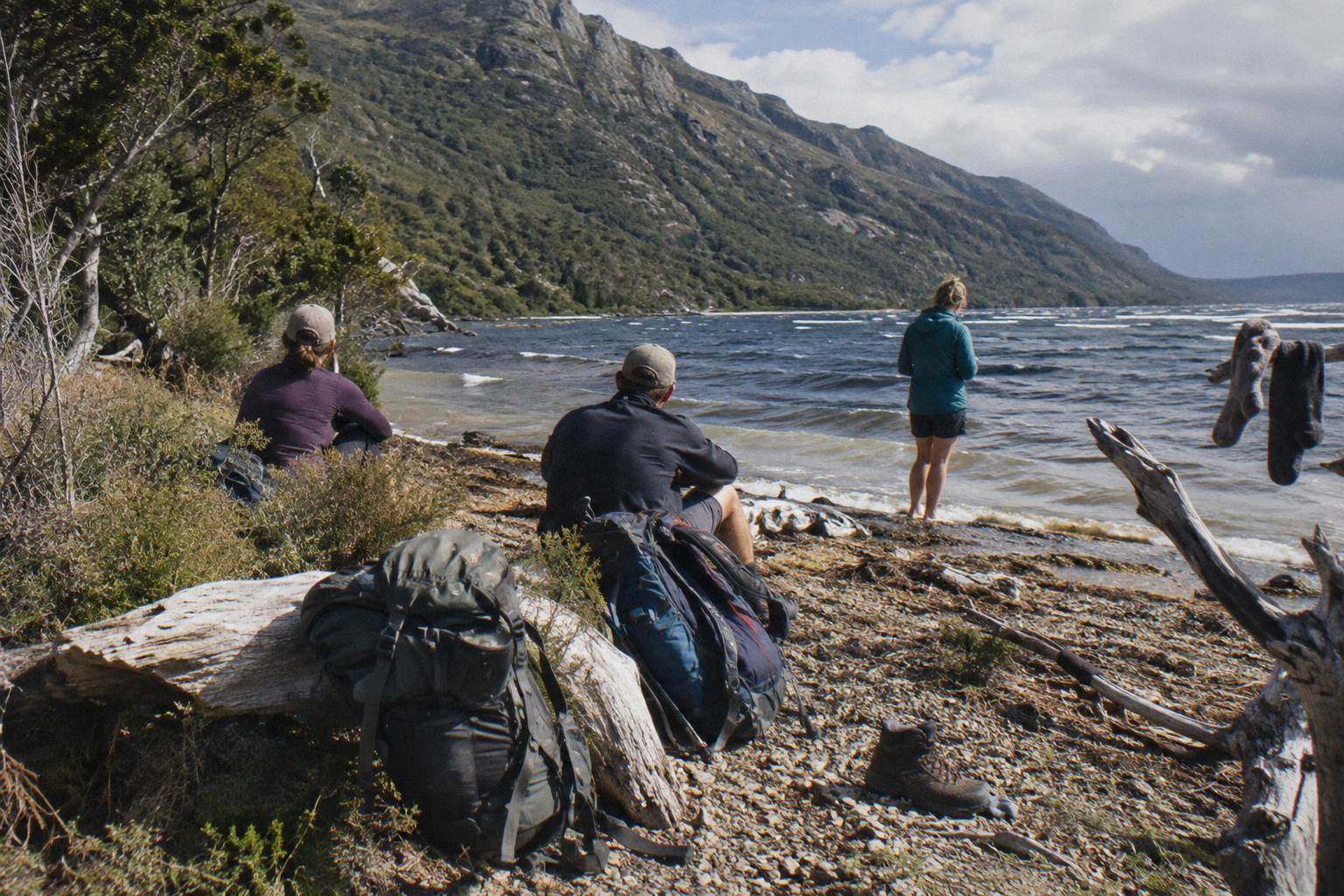
For readers weighing guided walking against vehicle-based touring, the comparison in whether small-group or coach touring suits you covers the comfort end of the spectrum.
What Trips People Up Before Booking A Guided Walk
Before booking a guided walk, people tend to trip over the same three things: they underestimate the alpine weather, they assume the guide absorbs the fitness requirement, and they confuse products that share a region but differ in grade, booking system and what is included. The Overland Track and the Three Capes Track are different tracks with different grades and different booking systems; the PWS Three Capes hut walk at A$650 is self-guided and is not the Lodge-Based Capes Walk, which is a guided lodge product from US$2,084. Booking the wrong one is a costly disappointment, and the distinction sits on the Parks and Wildlife Service's Three Capes Track page.
The other common traps, in plain terms:
- Training on flat ground, then meeting the saddles unprepared.
- Reading the six-day average and forgetting the days are uneven.
- Assuming departure dates mean the track is open in any weather; the season is 1 October to 31 May and quotas apply to independent walkers.
- Booking flights before confirming the operator's start point, Red Feather Inn near Launceston for the guided Overland walks.
- Skipping the doctor conversation and not telling the operator about conditions that matter.
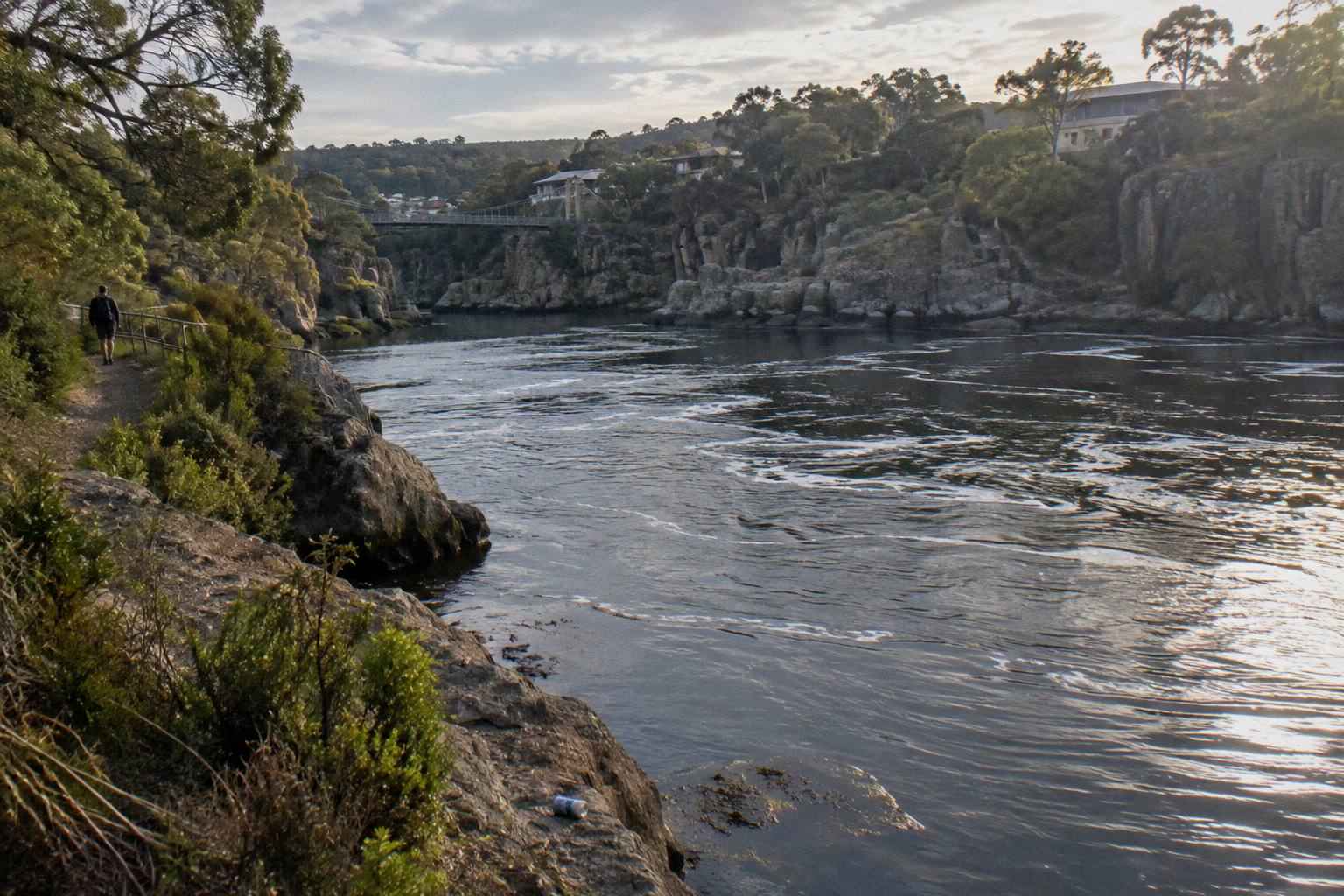
Ask the operator what pace to expect, and check the Parks and Wildlife Service Overland Track FAQs for the quota, direction and shuttle rules that apply regardless of who you walk with.
For readers asking the same difficulty question about Tasmania walks in general, the fitness discussion in how fit you need to be for a multi-day guided walk extends the preparation side of the argument.
Common Questions About How Hard Is The Overland Track On A Guided Walk?
How Hard Is The Overland Track On A Guided Walk?
The track is 65 km one way, Grade 4, usually six days of walking. Guided 7-day versions run at up to 6 or 7 hours of walking a day, per the operator's own description. The guide handles navigation and logistics; the fitness requirement stays with the walker. Check with your doctor and tell the operator when you book.
Do I Need To Be Fit To Walk The Overland Track With A Guide?
You need solid base fitness: sustained climbs, rough surfaces and consecutive walking days, on a Grade 4 track. No operator states a fitness test. Prepare with weighted hill walks before departure, ask the operator what pace to expect, and check with your doctor.
How Many Hours A Day Is The Guided Overland Track Walk?
Tasmanian Expeditions describes its 7-day Overland Track Cradle Huts walk as involving up to 6 or 7 hours of walking a day. Tasmanian Walking Company's 7-day Signature Walk runs daily departures from 1 October to 1 May. Exact daily breakdowns vary: ask the operator what pace to expect.
Is The Overland Track Harder Than The Three Capes Track?
By the Parks and Wildlife Service grades, yes: the Overland Track is Grade 4 and the Three Capes Track is Grade 3, 48 km over 4 days. The Three Capes hut walk is self-guided, hut-based and a different product from any guided lodge walk. Neither grade is a promise about weather.
Can A Beginner Do The Overland Track On A Guided Walk?
A beginner with good fitness and hill-willingness can, with training beforehand and a doctor's clearance before you go. Someone with no multi-day walking history should build up first, for example on the Grade 3 Three Capes Track or a shorter guided trip. Tell the operator your experience level when booking.
What Is The Easiest Guided Multi-Day Walk Alternative?
The Lodge-Based Capes Walk is a 4-day, 3-night guided lodge walk with a maximum of 10 guests, most meals included, from US$2,084 per person, on the Grade 3 Three Capes Track. Tour amounts here are US dollars. Ask the operator about daily distances to confirm the fit.