Which Month Suits A Guided Walk In Tasmania?
Month-by-month guidance for choosing a guided walk or multi-day tour in Tasmania, using Bureau of Meteorology averages, operator season windows and Parks and Wildlife Service rules.
Short answer
The dated windows matter more than the weather averages. The Overland Track booking season runs 1 October to 31 May, the Maria Island Walk runs October to April, and the Three Capes Signature Walk season runs September to the end of May. Hobart's mean maximum sits at 21.8 degrees in January against 11.9 in July. Pick a month that fits a window, then carry layers.
The answer is that a month does not suit a walk on its own. What suits it is the overlap between three things: the season window an operator or the Parks and Wildlife Service has published, the long-run climate averages for the part of the island you will be in, and your own tolerance for carrying layers. Tasmania's weather changes fast at any time of year, so the dated windows do more of the deciding than the thermometer does.
If a multi-day trip around the coast is what you are weighing, start with the coast circuit trips that run year round, then work through the walking windows below. The vehicle-based options keep running when the long-distance walking season pauses, which is exactly why many travellers split their plans between the two.
Quick Facts
| Fact | Detail |
|---|---|
| Overland Track booking season | 1 October to 31 May inclusive, Parks and Wildlife Service |
| Overland Track fee | A$312 adult, A$272 child 17 and under or concession, includes park entry and the Cradle shuttle |
| Overland Track direction | North to south only in the booking season, up to 34 independent walkers a day |
| Three Capes Signature Walk season | September to the end of May, Tasmanian Walking Company, five departures a month June to August |
| Maria Island Walk window | October to April, 4 days, 10 to 15 km a day |
| Hobart mean maximum, January | 21.8 degrees C, Bureau of Meteorology |
| Launceston Airport mean minimum, July | 2.3 degrees C, Bureau of Meteorology |
| Maria Island ferry | Encounter Maria Island from Triabunna, bookings essential, no vehicles on the island |
Any month inside a published guided walking window suits a Tasmania trip, and those windows are narrower than the full calendar year. Not every month carries an open departure, so the real question is less about picking a favourite season and more about which published windows match when you can travel, then booking the walk that fits inside one of them. The Overland Track takes independent bookings from 1 October to 31 May, and the guided versions follow a similar rhythm: Tasmanian Walking Company departs its 7-day Overland Track Signature Walk daily from 1 October to 1 May. The Maria Island Walk runs October to April. The Three Capes Signature Walk runs year round, with its Signature season from September to the end of May and five departures a month through June to August. Outside those windows the options thin out, and the vehicle-based trips become the practical answer.
Start by fixing the window, then judge the month inside it. A walk that only departs between October and May cannot be chosen for July no matter how appealing a quiet track sounds, and the winter months on the Overland are registration-only with a park pass required. That is a rule set by the Parks and Wildlife Service, not a preference.
The trips that visit walking country without being walks themselves run on their own schedules. The Maria Island Route is a 6-day, 5-night vehicle tour from US$1,006 per person with a maximum of 13 guests, and its itinerary includes a Maria Island day plus Cape Hauy on the Tasman Peninsula. It exists as an option in months when the long-distance walking season is paused, and it reaches places a hut walk never touches.
The Dated Windows Operators Publish
Most licensed operators publish their walking season dates in three separate windows: spring and autumn walking periods announced around four to six months ahead, and summer expedition slots released once the Parks and Wildlife Service confirms track conditions and quota allocations. Check each operator's own website for their announced departures, then cross-reference the official Parks and Wildlife Service pages, since government season openings ultimately determine when commercial guided trips can actually run. Tasmanian Walking Company runs its Overland Track Signature Walk with daily departures from 1 October to 1 May, starting at the Red Feather Inn at Hadspen near Launceston, plus a 5-day signature version on selected dates in October to November and April to May. Its Three Capes Signature Walk departs year round, with the Signature season September to the end of May and five departures a month in June, July and August. The Maria Island Walk runs October to April, south to north, with pickups from central Hobart hotels from 7:30am.
| Guided walk | Window | Days | Published details |
|---|---|---|---|
| Overland Track Signature Walk (Tasmanian Walking Company) | Daily, 1 October to 1 May | 7 | Starts Red Feather Inn, Hadspen; 5-day version on selected dates |
| Three Capes Signature Walk (Tasmanian Walking Company) | Year round; Signature season September to end of May; five departures a month June to August | 4 | 53 km, moderate grade, minimum 7 and maximum 14 guests, private lodges |
| Maria Island Walk | October to April | 4 | South to north, 10 to 15 km a day, packs 6 to 8 kg, minimum age 12 on standard departures |
| Overland Track (independent, Parks and Wildlife Service) | Booking season 1 October to 31 May | 6 | 65 km, Grade 4, fee A$312 adult |
Those are operator facts from the operators' own sites, and none of those walks is a trip that can be booked here. The nearest bookable options are the guided trips listed: the Lodge-Based Capes Walk, a 4-day, 3-night guided walk from US$2,084 per person with a maximum of 10 guests, and the Bay Of Fires Hike, 4 days and 3 nights from US$1,919 per person starting in Launceston. Both run on their own departure schedules, so the month question becomes a departure question: ask the operator which months have departures that match your dates before anything else.
Ask each operator what a specific departure month means for the itinerary. The Three Capes Signature Walk runs through winter with five departures a month, which tells you the operator judges the track workable in those months, but it does not tell you what any single day will do. Weather changes fast and no month comes with a promise attached.
What The Bureau Of Meteorology Averages Show
The only long-run climate figures that can be quoted are the Bureau of Meteorology monthly averages for Hobart and Launceston Airport, and those averages describe conditions at those two lowland stations rather than in the mountains, so they should not be read as a guide to weather on the high ground. Hobart's mean maximum runs from 21.8 degrees in January down to 11.9 in July, with mean minimums from 12.1 in January to 4.7 in July. Launceston Airport averages a mean maximum of 23.2 in January against 10.9 in July, and its mean minimum drops to 2.3 in July. Hobart records about 610 mm of rain a year and Launceston about 678 mm, spread across the months rather than concentrated in one season.
| Month | Hobart mean max | Hobart mean min | Launceston Airport mean max | Launceston Airport mean min |
|---|---|---|---|---|
| January | 21.8 | 12.1 | 23.2 | 10.2 |
| February | 21.8 | 12.1 | 23.2 | 10.3 |
| March | 20.3 | 11.0 | 21.1 | 8.9 |
| April | 17.5 | 9.0 | 17.4 | 6.6 |
| May | 14.6 | 7.0 | 14.0 | 4.6 |
| June | 12.1 | 5.2 | 11.4 | 2.8 |
| July | 11.9 | 4.7 | 10.9 | 2.3 |
| August | 13.2 | 5.3 | 12.0 | 3.0 |
| September | 15.2 | 6.5 | 14.0 | 4.2 |
| October | 17.1 | 7.9 | 16.4 | 5.5 |
| November | 18.8 | 9.4 | 18.8 | 7.1 |
| December | 20.4 | 10.9 | 21.2 | 8.8 |
The Bureau's tables for Hobart at Ellerslie Road and Launceston Airport are the source for every number above, and they are averages, not forecasts. A January mean maximum of 21.8 in Hobart says nothing about the day you will actually stand on a track, and nothing at all about Cradle Mountain, Strahan or the east coast. The safe planning rule the sources support is simple: weather changes fast in Tasmania, carry layers, and treat any month as capable of delivering four seasons across a single walk.
What the averages are genuinely useful for is packing arithmetic. If a July walk means a Launceston mean minimum of 2.3 degrees, your sleeping and layering system needs to handle that and colder, because a mean is the middle of a range, not the floor of one. If a February walk means a Hobart mean maximum of 21.8, you still pack a warm layer for the evenings, because the mean minimum is 12.1. Averages set the edges of your packing list; the windows set the edges of your calendar.
- The One-Day East Coast TasteUS$102
- The One-Day Cradle FixUS$165
- The Two Icons From LauncestonUS$272
- The Overnight At CradleUS$299
- The Big 3 One-WayUS$390
How The Overland Track Season Shapes The Choice
The Overland Track's official walking season, running from 1 October to 31 May, is the single biggest calendar fact in Tasmanian walking, and it constrains guided and independent walkers alike. Outside these months, independent walking requires winter experience and special approval, while most guided operators simply do not run, so your travel dates effectively decide how you can walk the track. The fee is A$312 for an adult, which the Parks and Wildlife Service lists as including park entry and the Cradle shuttle, and during the booking season up to 34 independent walkers may depart per day, walking north to south only, with a maximum of 8 per booking. Winter, 1 June to 23 September, is registration-only with a park pass required. The walk usually finishes at Narcissus Hut, then a privately run ferry to the Lake St Clair visitor centre, a ferry that charges its own fee and takes bookings.
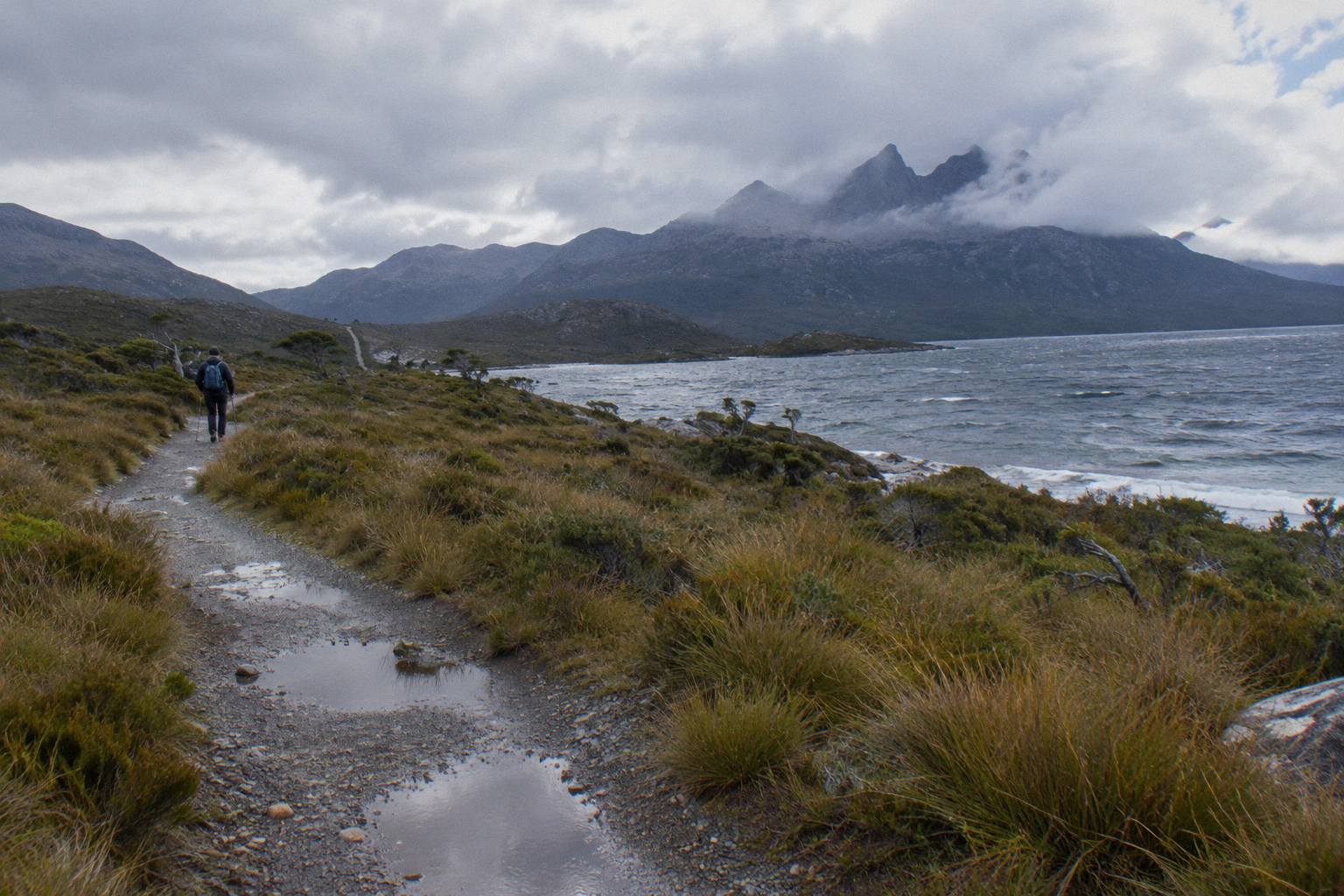
The track itself is 65 km one way, six days, Grade 4, and the Parks and Wildlife Service page is the authority on all of it. Quotas sell out, so no month inside the season comes with a place held for you: the month you want is the month you need to be quickest to book. That applies to guided walkers too, because the guided operators run inside the same season. Tasmanian Walking Company departs daily from 1 October to 1 May, and Tasmanian Expeditions runs a 7-day Cradle Huts walk from the Red Feather Inn in Launceston with up to 6 or 7 hours of walking a day.
Neither of those guided Overland walks is a trip here, and neither can be booked here. The reason to know their windows anyway is that they anchor the walking calendar: when the guided Overland season runs from October to May, every other decision about shoulder months, winter alternatives and ferry-linked islands falls into place around it. A traveller who wants an alpine walking feel in June or July looks at different products entirely, and the answer comes from vehicle tours and the Three Capes options rather than the Overland.
Maria Island And The Three Capes By Month
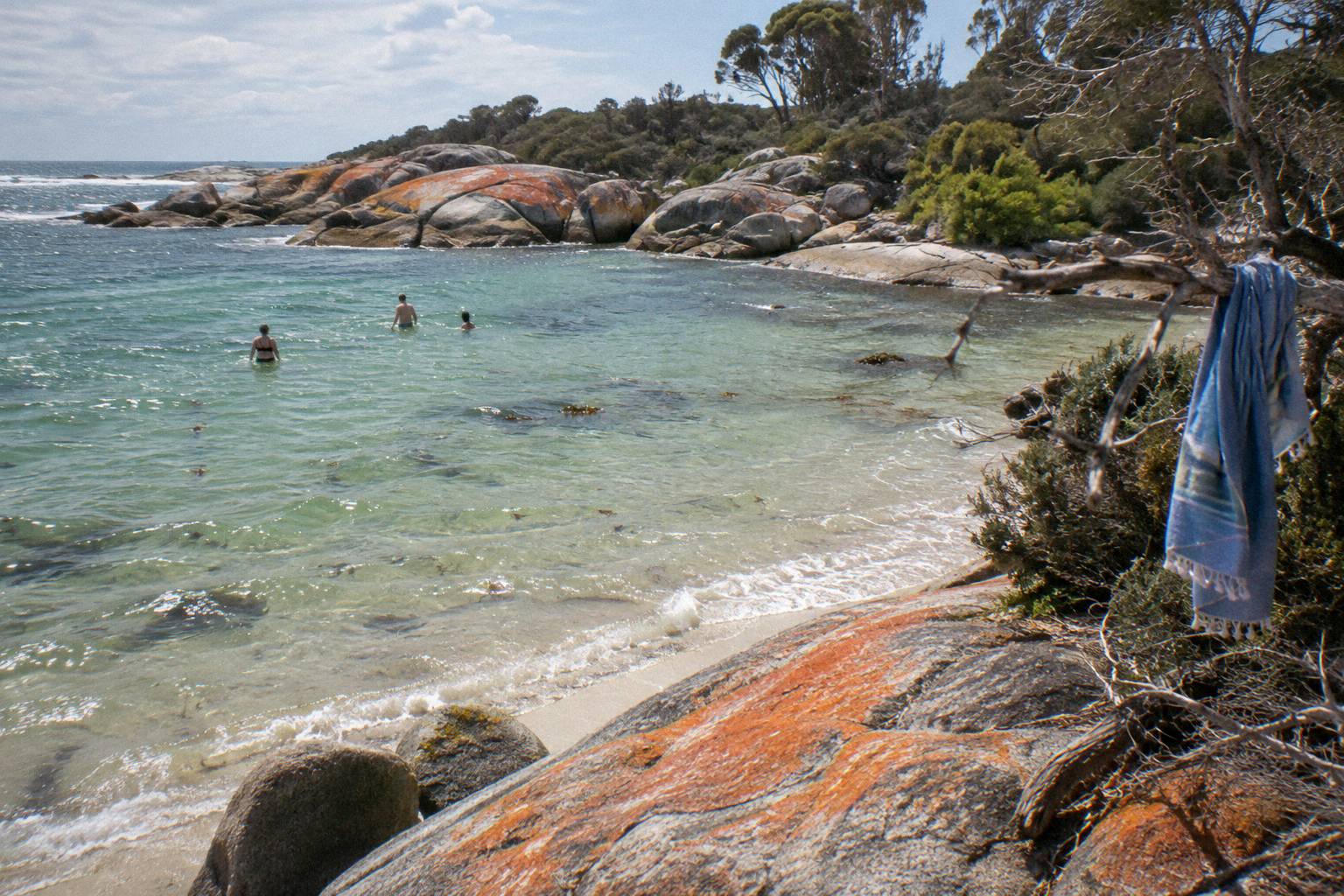
The best months for Maria Island and the Three Capes are November through April, when ferry services run reliably, weather is milder, and walking conditions on the Tasman Peninsula are at their most dependable. Outside this window, trips are still possible, but ferry schedules tighten, days shorten, and the exposed coastal tracks become far less predictable. Maria Island is reached by ferry only, there are no vehicles on the island, and ferry bookings are essential. The Encounter Maria Island ferry from Triabunna publishes fares of A$59 for an adult same-day return, A$70 for an overnight return, A$47.50 concession and A$36.50 for a child aged 4 to 16. The Painted Cliffs rock platform is safest within two hours of low tide and there is no clifftop access, so on any month and any day, the tide table matters more than the calendar.
The Maria Island Walk, a 4-day guided walk that runs October to April, is the operator's own product and not a trip here. Its published details give you the month logic: south to north, 10 to 15 km a day, packs of 6 to 8 kg, minimum age 12 on standard departures, bush camps in twin share plus Bernacchi House on the last night. The trip here that visits the island is the Maria Island Route, a vehicle tour, and because the island has no vehicles the tour reaches it the way everyone does, by ferry. Darlington Probation Station on the island is part of the Australian Convict Sites World Heritage listing from 2010, a fact that holds in every month.
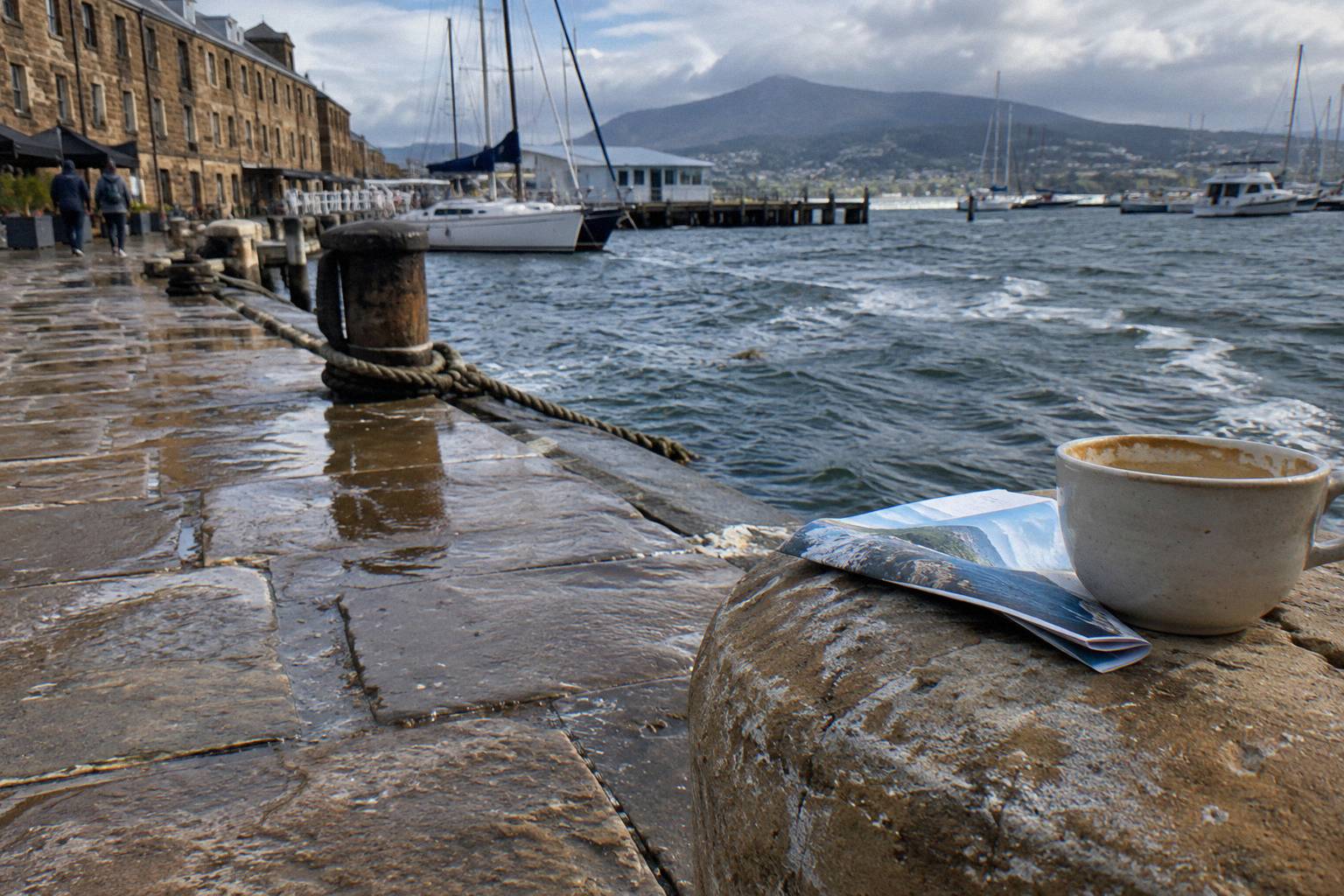
The Three Capes picture splits into two products. The Parks and Wildlife Service track is 4 days, 3 nights, 48 km, hut-based, Grade 3, with a fee of A$650 adult that the service reviews each year, and bookings are essential. The guided lodge walk is a different product: the Three Capes Signature Walk by Tasmanian Walking Company, 53 km over 4 days with private lodges, minimum 7 and maximum 14 guests, departing year round with the Signature season September to the end of May. On the bookable side, the Lodge-Based Capes Walk from Park Trek Walking Holidays runs 4 days and 3 nights from US$2,084 per person with a maximum of 10 guests, starting at the Hotel Grand Chancellor in Hobart.
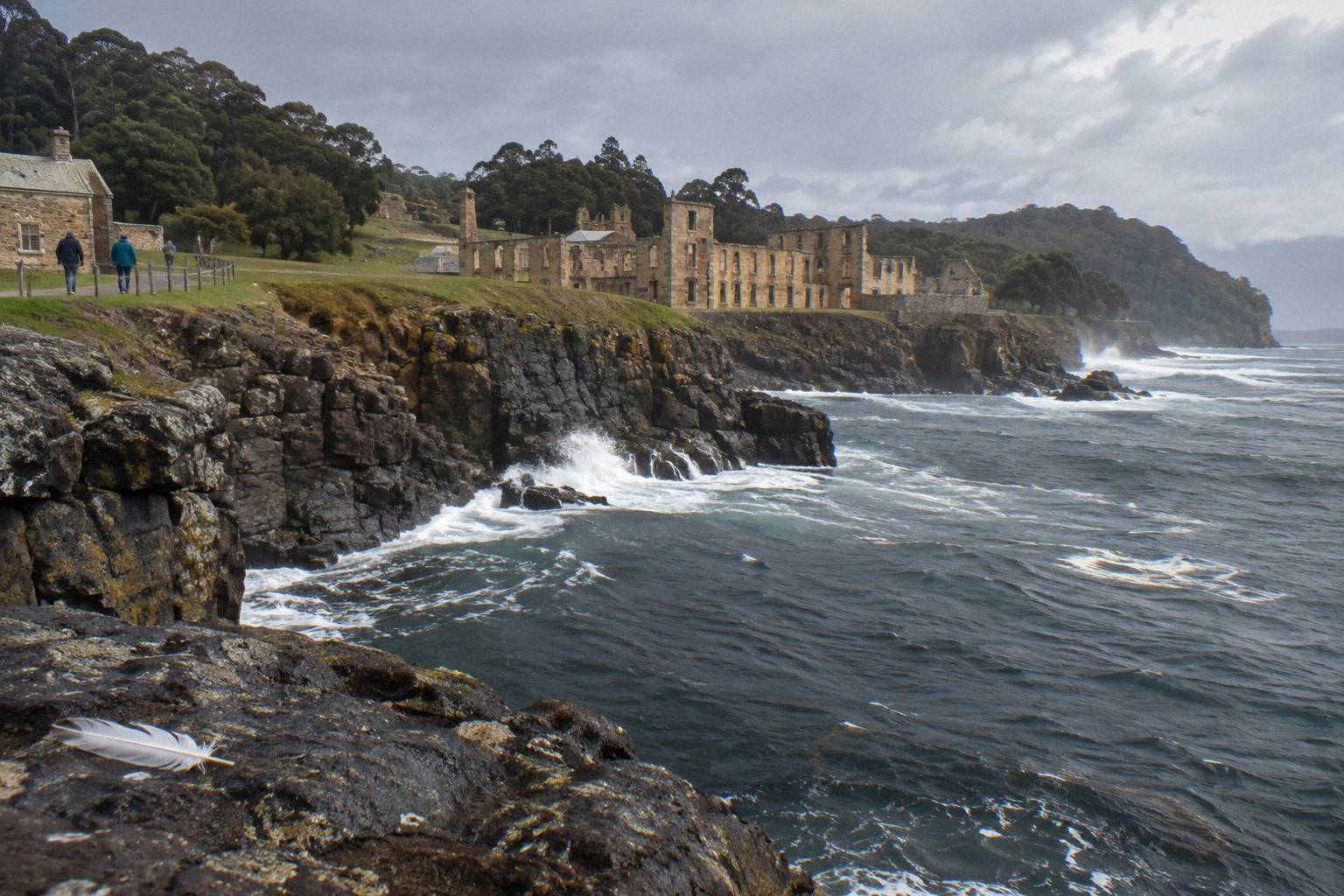
That year-round rhythm is the practical difference between the capes and the alpine walks. If your travel month falls outside the Overland season, the Tasman Peninsula still has guided walking in it, and a bookable version exists. Ask the operator which months hold departures, because a walk that can run in a month and a walk that has a departure booked in that month are two different things.
Matching A Month To A Guided Trip
Yes, the month you choose should match the trip type you want, because guided trips run on different calendars across different terrain. Before booking, decide whether you're after a specific activity or landscape, then pick the month when that trip operates, since seasonal windows vary by region and route. Matching your travel dates to a trip's actual schedule is the single most reliable way to avoid disappointment and get the guided experience you want. The walking-focused options are the Lodge-Based Capes Walk, 4 days and 3 nights from US$2,084 per person, and the Bay Of Fires Hike, 4 days and 3 nights from US$1,919 per person from Launceston. The vehicle tours run their own loops: the 13-Guest Wildlife Trip is 4 days and 3 nights from US$703 per person, rated 4.8 from 33 reviews, and the Maria Island Route is 6 days and 5 nights from US$1,006 per person. Tour amounts are in US dollars.
| Trip | Days | From price | What the month decision turns on |
|---|---|---|---|
| The Lodge-Based Capes Walk | 4 days, 3 nights | US$2,084 | Departure months on the Tasman Peninsula; ask the operator |
| The Bay Of Fires Hike | 4 days, 3 nights | US$1,919 | Starts Launceston; ask the operator about departure months |
| The 13-Guest Wildlife Trip | 4 days, 3 nights | US$703 | Hobart to Hobart loop via Cradle Mountain, Bay of Fires and Freycinet |
| The Maria Island Route | 6 days, 5 nights | US$1,006 | Includes a Maria Island day; ferry bookings essential |
| The Overnight At Cradle | 2 days, 1 night | US$299 | Short Cradle Mountain option with breakfast and park ticket included |
A month that suits a lodge walk may not suit a vehicle loop at all, and the reverse holds too. February suits a capes walk comfortably inside its year-round schedule, while the same month on a west coast vehicle loop means long driving days in the warmest averages Tasmania offers. July flips it: the alpine walking options narrow, the capes keep running, and the vehicle tours keep their loops moving. The Proven 5-Day Loop, 5 days and 4 nights from Hobart and rated 4.9 from 450+ reviews, runs a west coast and east coast circuit with accommodation included, and its price is on the booking page.
The decision checklist is short. Which month can you actually travel in? Which published window contains that month? Which bookable trip has departures inside that window? Then ask the operator what the pace is like in that month and what the cancellation terms are, because those vary trip by trip: the 13-Guest Wildlife Trip and the Maria Island Route both carry free cancellation up to 3 days before, per their booking pages, while the Lodge-Based Capes Walk allows free cancellation up to 60 days before.
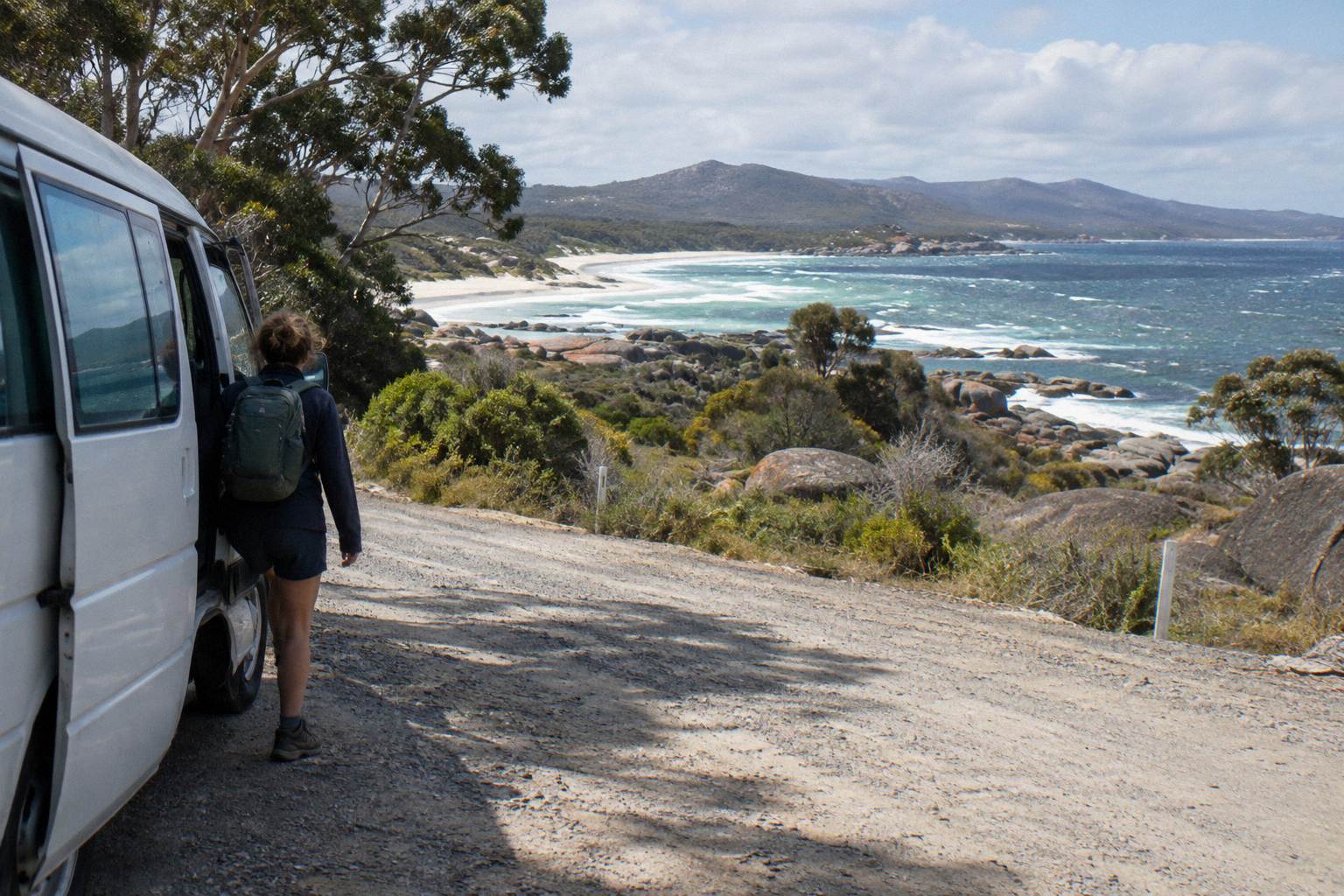
If the Bay of Fires coast is the draw, the Bay Of Fires Hike covers 4 days and 3 nights from US$1,919 per person starting in Launceston, and its itinerary details sit on the booking page, so the month question is one to put to the operator directly. Check availability and ask which months hold departures before you fix your flights.
What Trips People Up When Picking A Month
The recurring mistakes are assuming the walking season runs all year when it does not, reading Hobart's weather averages as if they reflect conditions on the mountain, and treating a ferry-linked island as if it were a simple drive-to destination. Travellers who overlook these points often pick a month that suits the calendar rather than the track, and they pay for it in closed transport, poor weather, or a walk they cannot actually start. The Overland Track booking season runs 1 October to 31 May with a daily cap of 34 independent walkers, and quotas sell out, so a month chosen late can be a month already full. The Bureau of Meteorology averages describe Hobart and Launceston Airport only; snow can fall in alpine areas outside winter, so no month earns a weather promise. Maria Island needs a ferry booking and has no vehicles, and the Painted Cliffs platform is safest within two hours of low tide.
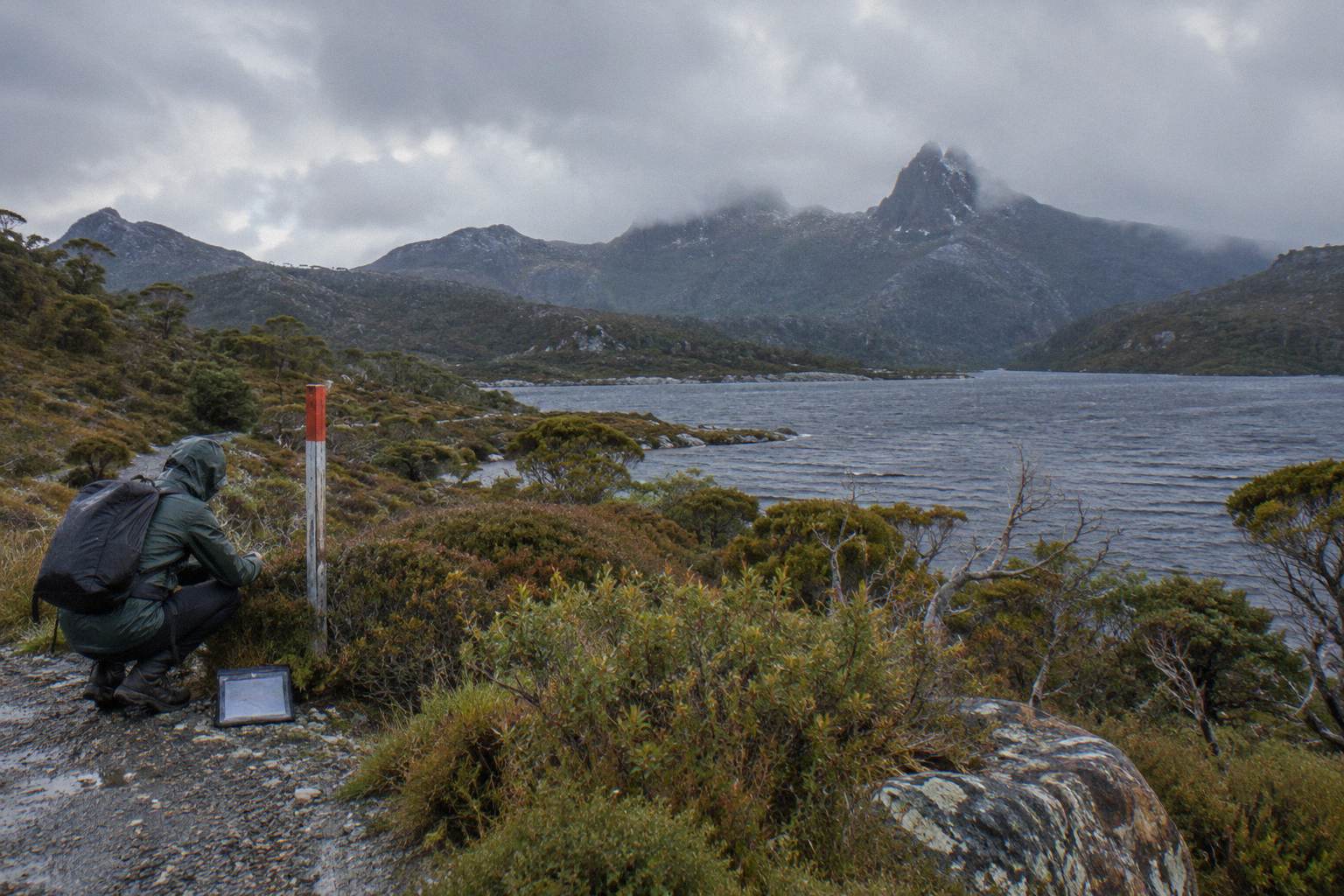
A second cluster of mistakes sits on the booking side. Travellers assume every guided trip includes park fees, but inclusion varies: the booking pages state where fees or passes are included, trip by trip. Travellers assume cancellation terms are standard, but each booking page states them individually, from free cancellation up to 3 days before on some trips to up to 60 days before on others, so check when booking. And travellers plan a Maria Island day without realising the ferry is a separate, essential booking with its own fares, published by the ferry operator in Australian dollars.
The last mistake is the quietest one: forgetting that a month is only a label until a departure exists in it. Ask the operator whether your month holds a departure, ask what pace to expect, and carry layers whatever the answer. Weather changes fast in Tasmania in every month, and the sources here say so plainly.
Choosing a month well is really choosing a window, a departure and a packing list in that order. The pages at Tasmania Multi-Day Tours cover the trip side of that decision, and the deeper month-by-month planning questions are worked through in how far ahead to book a multi-day Tasmania tour and in the guide to which months suit a guided Overland Track walk.

Common Questions About Picking A Month For A Guided Walk In Tasmania
Which Month Suits A Guided Walk In Tasmania?
The month that suits is one inside a published window. The Overland Track booking season runs 1 October to 31 May, the Maria Island Walk runs October to April, and the Three Capes Signature Walk runs year round with its Signature season September to the end of May. Hobart's mean maximum is 21.8 degrees in January and 11.9 in July. Pick the window first, then the month inside it.
Can You Do A Guided Walk In Tasmania In Winter?
Winter options exist but they are narrower. The Three Capes Signature Walk runs five departures a month through June, July and August, and the Parks and Wildlife Service Three Capes track takes bookings year round. The Overland Track is registration-only from 1 June to 23 September, with a park pass required. Vehicle-based multi-day tours keep running, so ask the operator which winter months hold departures.
What Are The Warmest Months For Walking In Tasmania?
The Bureau of Meteorology averages put Hobart's mean maximum at 21.8 degrees in January and February and 20.3 in March, with Launceston Airport at 23.2 in January and February. Those are long-run averages for those two stations only. Warmest months still need layers, because weather changes fast.
When Does The Overland Track Season Start And End?
The booking season runs 1 October to 31 May inclusive, per the Parks and Wildlife Service. The adult fee is A$312, including park entry and the Cradle shuttle, and up to 34 independent walkers may depart per day, north to south only. Tasmanian Walking Company's guided Signature Walk departs daily from 1 October to 1 May. Quotas sell out, so book early for the month you want.
Do The Multi-Day Vehicle Tours Run All Year?
The vehicle tours run on their own departure schedules, and the booking pages state start points and inclusions trip by trip. The Maria Island Route runs 6 days and 5 nights from US$1,006 per person with a maximum of 13 guests, and the 13-Guest Wildlife Trip runs 4 days and 3 nights from US$703 per person. Ask the operator which months hold departures for your dates.
Does Rain Rule Out A Month For A Guided Walk?
No month is ruled out by rain figures, and none is promised dry. Hobart records about 610 mm of rain a year and Launceston about 678 mm, spread across the months. The planning rule the sources support is to carry layers and expect weather to change fast in any month. Ask the operator what the pace and the wet-weather plan look like for the month you are considering.