Maria Island Walk: Guided Multi-Day Options
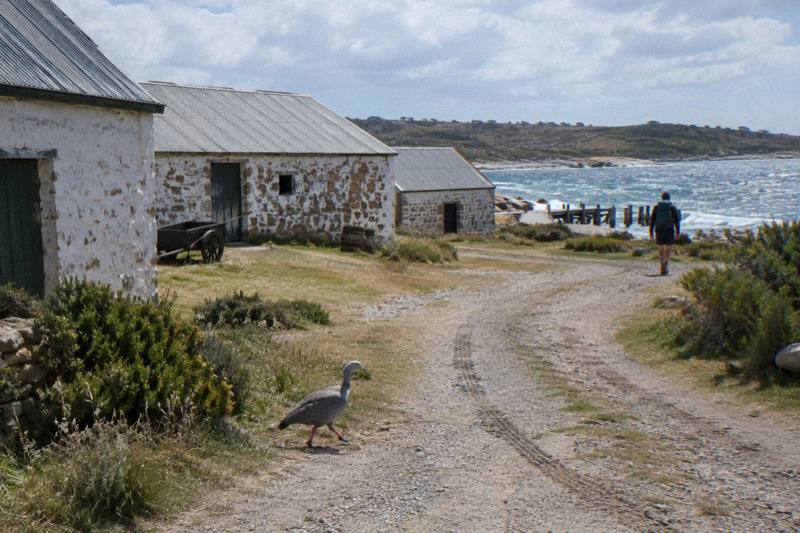
Maria Island is car-free, ferry-only and home to a World Heritage convict site, which makes the guided options around it quite different from anywhere else in Tasmania.
Short answer
Maria Island sits off Tasmania's east coast and is reached only by ferry, with no vehicles on the island. Guided choices include The Maria Island Walk, a 4-day operator-run walk from October to April, and the Maria Island Route, a 6-day vehicle tour from US$1,006 per person whose fifth day is the island.
Comparing coast circuit trips around Tasmania is the quickest way to see where Maria Island fits, because the island only appears on routes that build a full east-coast loop around it. The island itself is small, car-free and reached by ferry from Triabunna, so every guided option either walks it properly over several days or reaches it mid-trip by boat. Those two shapes of trip suit very different travellers, and the price gap between them is wide.
Quick Facts
| Fact | Detail |
|---|---|
| Island access | Ferry only, from Triabunna; ferry bookings essential, per the Parks and Wildlife Service |
| Vehicles on the island | None, per the Parks and Wildlife Service |
| The Maria Island Walk | 4 days, October to April, south to north, minimum age 12 on standard departures, per the operator's site |
| Maria Island Route | 6 days, 5 nights, from US$1,006 per person, group max 13, per the booking page |
| Same-day adult ferry fare | A$59 return, per the ferry operator's published fares |
| Painted Cliffs rule | Rock platform safest within two hours of low tide, no clifftop access, per the Parks and Wildlife Service |
| Darlington Probation Station | Part of the Australian Convict Sites World Heritage listing, 2010 |
| Wildlife named by the Parks and Wildlife Service | Wombats, devils, kangaroos, Cape Barren geese, no guarantee |
Where Is Maria Island And How Do You Reach It?
Maria Island lies off Tasmania's east coast, reached by a short ferry ride from the town of Triabunna. The Parks and Wildlife Service states the island is ferry-only, that ferry bookings are essential, and that no vehicles are allowed on the island at all. Bicycles can travel on the ferry for a fee, and those access rules shape every guided trip described below.
The ferry runs from Triabunna, a small town on the coast road between Hobart and the east-coast holiday towns. Discover Tasmania's drive-times page lists Hobart to Bicheno at 178 km and 2 h 25, which places Triabunna on the same corridor. The same page lists Hobart to Coles Bay at 193 km and 2 h 35, so the ferry town sits comfortably inside a morning's drive from the capital. The ferry operator publishes its fares by passenger type, and those fares sit in a table further down, because anyone comparing a guided walk against an independent visit needs to know what the crossing itself adds to the budget.
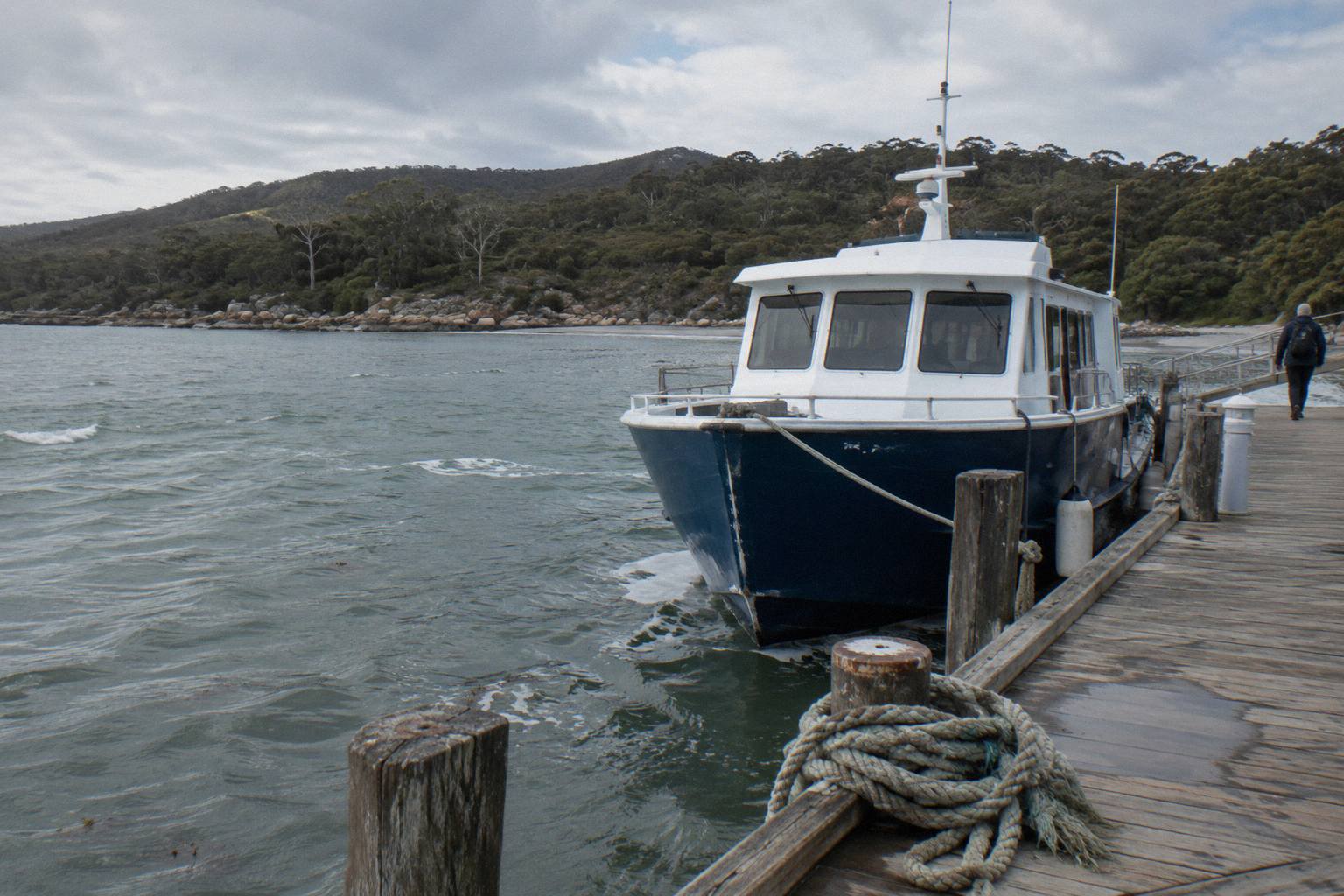
The no-vehicles rule has a practical consequence worth stating plainly: any multi-day trip that arrives by vehicle, such as the 6-day Maria Island Route, leaves its transport on the mainland and continues on foot once off the ferry. The Parks and Wildlife Service Maria Island page is the source for the access rules, the tide rule at the Painted Cliffs and the wildlife the island is known for. Triabunna is also where independent walkers buy their own return fares, while guided guests either have the crossing folded into the trip price or pay it separately, so it belongs on the list of questions to ask before booking either way.
One planning note that follows from the geography: because the island hangs off the mid east coast, trips that start in Launceston generally reach the east coast faster than Hobart-based loops, but none of the Launceston-start trips on this domain list Maria Island in their itineraries. Discover Tasmania lists Launceston to Coles Bay at 175 km and 2 h 10, against Hobart to Coles Bay at 193 km and 2 h 35, so the difference is modest rather than decisive.
What Does The Maria Island Walk Involve?
The Maria Island Walk is a 4-day guided walk run by its own operator, departing between October and April, walking the island south to north with pickup from central Hobart hotels from 7:30am. Guests carry packs of 6 to 8 kg, cover 10 to 15 km a day, and sleep in bush camps on a twin-share basis plus Bernacchi House on the final night. Meals, drinks and pack loan are included.
That walk is a lodge-and-camp style product with daily distances that read as steady rather than strenuous, and its October to April window matches the Tasmanian walking season rather than running year-round. The operator's own page is the place for price and departure detail, so ask the operator when dates are being weighed. The minimum age on standard departures is 12, per the operator's site, and the same site confirms family-friendly departures allow younger children, so the age question is worth asking directly when dates are being chosen. For readers weighing fitness, the monthly how-fit question is answered in more depth in how fit you need to be for a multi-day guided walk.
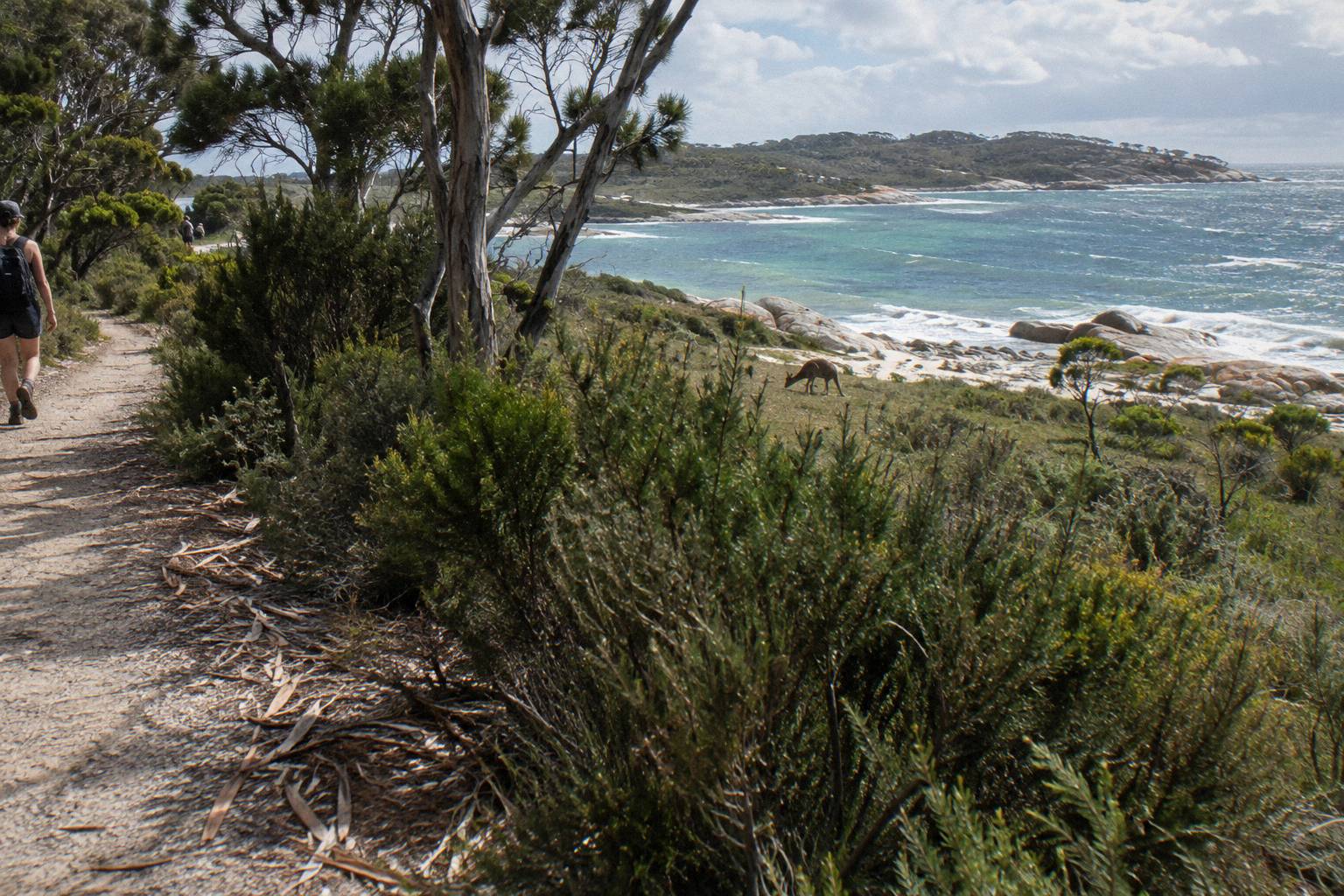
The pack weight is the quiet design feature here. At 6 to 8 kg, the load is closer to a day pack with extras than a full tramping pack, because the camps are set up ahead of the walking group and the kitchen travels separately. That single fact separates the product from hut-carrying walks like the Overland Track, where independent walkers carry everything for the full route, a contrast explored in the Overland guided or independent comparison. The south-to-north direction also means the walk finishes at the settled northern end near Darlington, where Bernacchi House closes the trip.
For travellers who want a booked multi-day trip with a printed from-price, the realistic options look different: a vehicle-based loop that includes the island, a small-group wildlife trip, or a lodge-based walk on the Tasman Peninsula instead. The three below are the ones a Maria Island comparison usually comes down to.
- The 13-Guest Wildlife TripUS$703
- The Proven 5-Day LoopUS$737
- The Maria Island RouteUS$1006
- The 7-Day Value LoopUS$1151
- The Comfort Stays VersionUS$1672
Each of those three answers the Maria Island question differently. The Maria Island Route spends a full day of its six on the island. The 13-Guest Wildlife Trip does not go there but covers Bay of Fires, Cradle Mountain and Wineglass Bay in four days from US$703 per person, rated 4.8 from 33 reviews. The Lodge-Based Capes Walk is a 4-day guided walk from US$2,084 per person with a group maximum of 10, staying at Stewarts Bay Lodge or Three Capes and Tasman Lodge with all meals and snacks included, a different peninsula and a different style of trip entirely.
What Is The Maria Island Route Trip Like?
The Maria Island Route is a 6-day, 5-night vehicle tour from US$1,006 per person, in US dollars, run by Wild Tasmania Tours with a group maximum of 13 and a Hobart start. Dinner and breakfast are included, with other meals not included. Day five is Maria Island National Park and day six is Cape Hauy and the Tasman Peninsula, per the itinerary titles on the booking page.
The shape matters more than the title. Days one to four carry the group from Hobart to the wild west coast, over to central Tasmania via Cradle Mountain, and down to Bicheno on the east coast, which sets up the Maria Island day without a long transfer that morning. Cancellation is free up to 3 days before departure, per the booking page. The booking page lists an air-conditioned vehicle, dinner, breakfast and Hobart as the start, with accommodation spread across Lakeside Lodge, secluded bush cabins, beachside bungalows and a two-night farm stay.
| Day | Itinerary title on the booking page |
|---|---|
| Day 1 | Hobart to Wild West Coast |
| Day 2 | Tullah to Central Tasmania via Cradle Mountain |
| Day 3 | Central Tasmania to Bicheno |
| Day 4 | Bicheno to Southern Tasmania |
| Day 5 | Maria Island National Park |
| Day 6 | Cape Hauy and the Tasman Peninsular |
Read that table as the arc of the trip rather than a schedule, because the operator decides timings and conditions on the day. What it does show is that the island day arrives after four days of travel, once the group is already on the east coast, and that the final day moves to the Tasman Peninsula for Cape Hauy, the same headland the Lodge-Based Capes Walk spends three days walking in full.
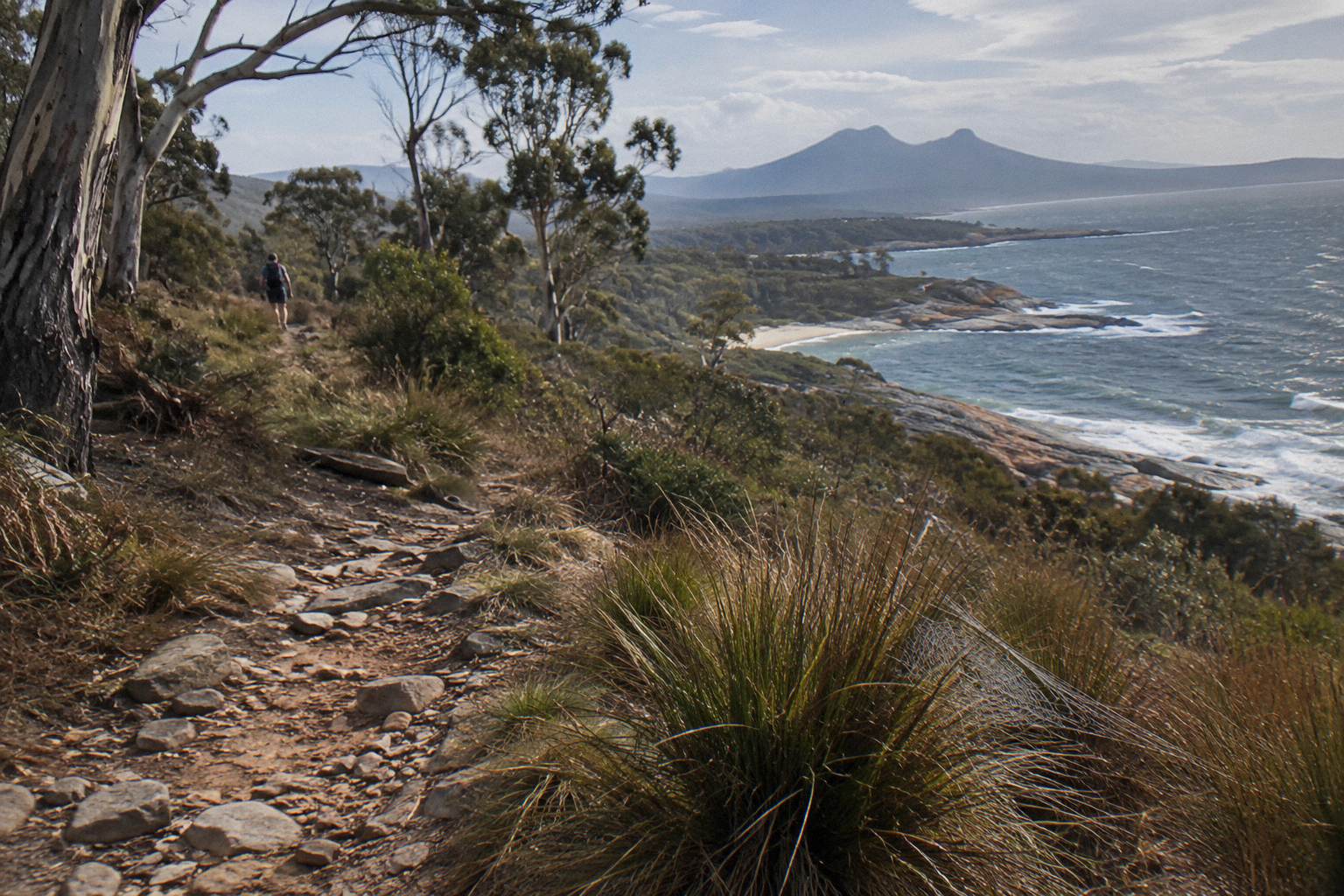
Because the island has no vehicles, the ferry crossing is simply how day five works: the group leaves the vehicle behind and walks. Anyone deciding between the 6-day loop and shorter east-coast options can compare how many days a guided Tasmania tour needs before committing. Check availability once the day count fits your dates, since departures and free-cancellation windows both matter to the final decision.
One point of contrast: a shorter east coast multi-day option skips Maria Island entirely, so the six-day version is the loop to pick if Darlington and the Painted Cliffs are the reason for the trip. Solo travellers should also weigh the group dynamics of a 13-guest maximum against the 20 to 24 guest counts on the larger coaches, a trade-off examined in small group trips for solo travellers.
What Do The Ferry Fares Cost?
The ferry operator's published fares from Triabunna are A$59 for an adult same-day return, A$70 for an adult overnight return, A$47.50 for a concession and A$36.50 for a child aged 4 to 16. Those fares are in Australian dollars and are the ferry operator's own published amounts, separate from any tour price. The Parks and Wildlife Service says ferry bookings are essential, and bikes travel for a fee.
| Passenger type | Published return fare |
|---|---|
| Adult, same-day return | A$59 |
| Adult, overnight return | A$70 |
| Concession | A$47.50 |
| Child, 4 to 16 | A$36.50 |
The ferry operator's fares page is the source for those figures, and the distinction between same-day and overnight returns matters for itinerary design: a day visitor gets one tide window at the Painted Cliffs, while an overnight guest gets two chances at the low-tide rule. For anyone on a guided trip that includes the crossing, the fare question disappears into the tour price, which is one of the quiet arguments for the guided route. Independent walkers should also check whether a parks pass applies to their plans, per the Parks and Wildlife Service rules, and whether a Holiday Pass at A$98.35 per vehicle or A$49.20 per person, as the Parks and Wildlife Service lists, covers the rest of a wider Tasmania itinerary, since that pass covers all national parks for up to two months.
A worked example makes the independent maths concrete, using only published figures. Two adults making a same-day return pay A$118 in fares between them, and a family with two children aged 4 to 16 adds A$73 on top of the adults' fares. Those amounts sit beside whatever accommodation, food and transfer costs an independent plan carries, which is exactly the comparison the cost of a guided Tasmania tour guide works through in full. No ferry figure belongs inside a tour price, and no tour price here includes a stated ferry fare, so ask the operator whether the crossing is pre-booked as part of the island day.
Is a guided loop with the ferry folded in the right call for your dates? Free cancellation up to 3 days before, dinners and breakfasts included, and a 13-guest maximum are the terms worth weighing against the DIY alternative.
Which Guided Multi-Day Options Visit The Island?
Only one of these trips lists Maria Island National Park in its itinerary: the Maria Island Route, the 6-day, 5-night loop from US$1,006 per person. Other multi-day trips reach the east coast, including Wineglass Bay and the Bay of Fires, without crossing to the island.
| Trip | Days | From price | Group max | Island link |
|---|---|---|---|---|
| The Maria Island Route | 6 days, 5 nights | US$1,006 | 13 | Day 5 is Maria Island National Park |
| The 13-Guest Wildlife Trip | 4 days, 3 nights | US$703 | 13 | No island visit; Bay of Fires and Wineglass Bay on itinerary |
| The 7-Day Value Loop | 7 days, 6 nights | US$1,151 | 24 | No island visit; Bonorong Wildlife Sanctuary entry included |
| The Two Icons From Launceston | 2 days | US$272 | 20 | No island visit; Cradle Mountain and Freycinet parks passes included |
Ratings follow the same rule as prices: the 13-Guest Wildlife Trip is rated 4.8 from 33 reviews and the Proven 5-Day Loop is rated 4.9 from 450+ reviews, the largest pool among the trips. Never treat a rating from a small pool as a verdict; the review count beside it is the real context. A 4.8 from 33 reviews is a strong signal from a small group of guests, and the Proven 5-Day Loop runs from US$737 per person.
Travellers torn between walking and riding sometimes find the answer in the lodge walks versus camping comparison, because the Maria Island Walk's bush camps and the Maria Island Route's cabins sit at opposite ends of that spectrum. If a full walking trip is the goal, the multi-day guided hikes in Tasmania overview names the lodge-based walks that run elsewhere in the state, and the dedicated Maria Island guided walk guide question set sits alongside the Walls of Jerusalem walk options for high-country alternatives.
The same comparison, sorted by traveller type rather than by trip, reads like the table below. It assigns no quality verdicts, because the facts alone decide which row fits which traveller.
| Traveller type | Best-fit published details | Trip that carries them |
|---|---|---|
| Set on the island specifically | Day 5 on Maria Island, ferry-based day, 6 days total | The Maria Island Route |
| Short on time, wildlife first | 4 days, group max 13, wildlife sanctuary entry included | The 13-Guest Wildlife Trip |
| Walking-focused, guided, coastal | 4 days, group max 10, all meals included, lodge stays | The Lodge-Based Capes Walk |
| Widest loop, entry fees folded in | 7 days, 6 nights, park fees and three entries included | The 7-Day Value Loop |
What Are The Painted Cliffs And Darlington?
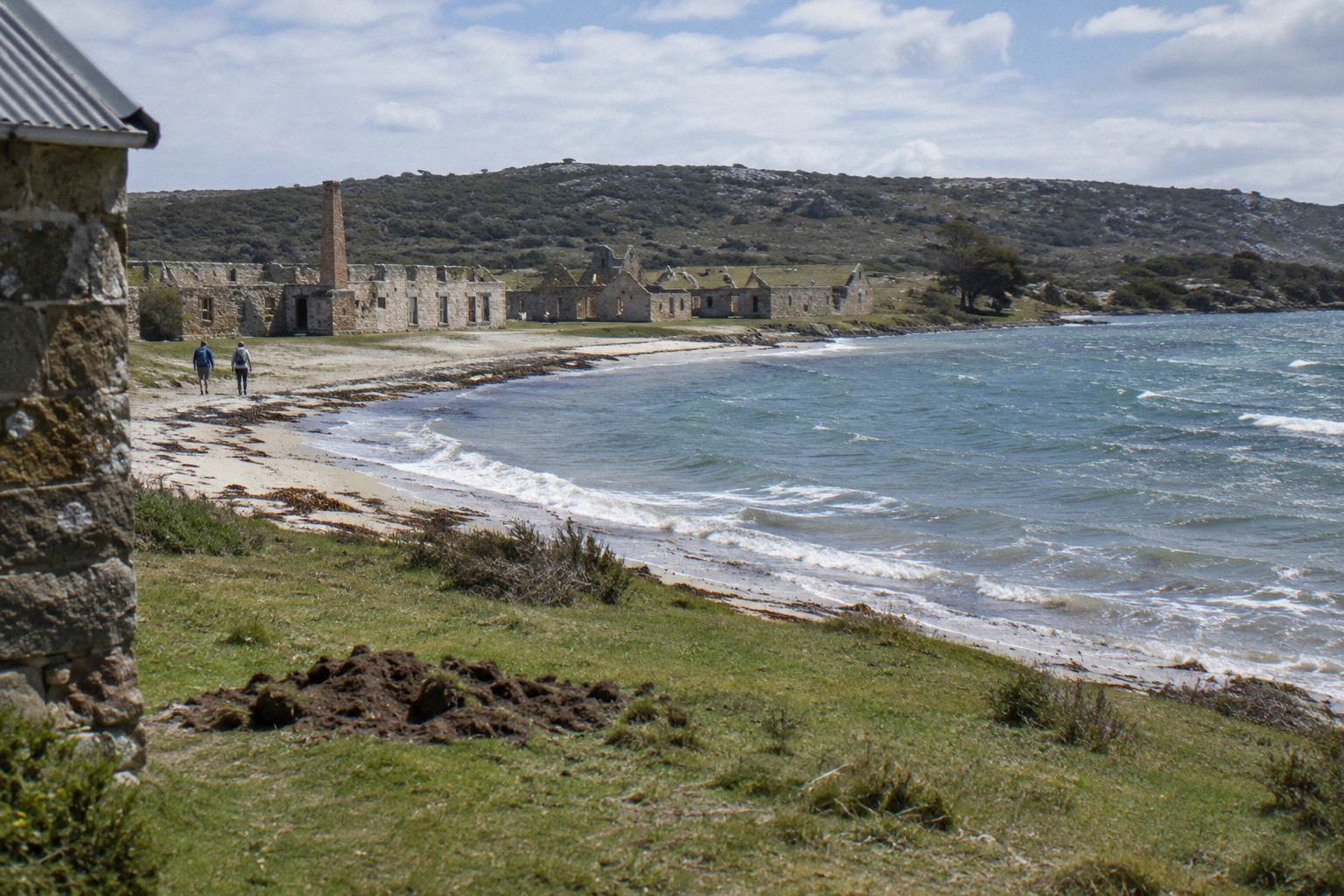
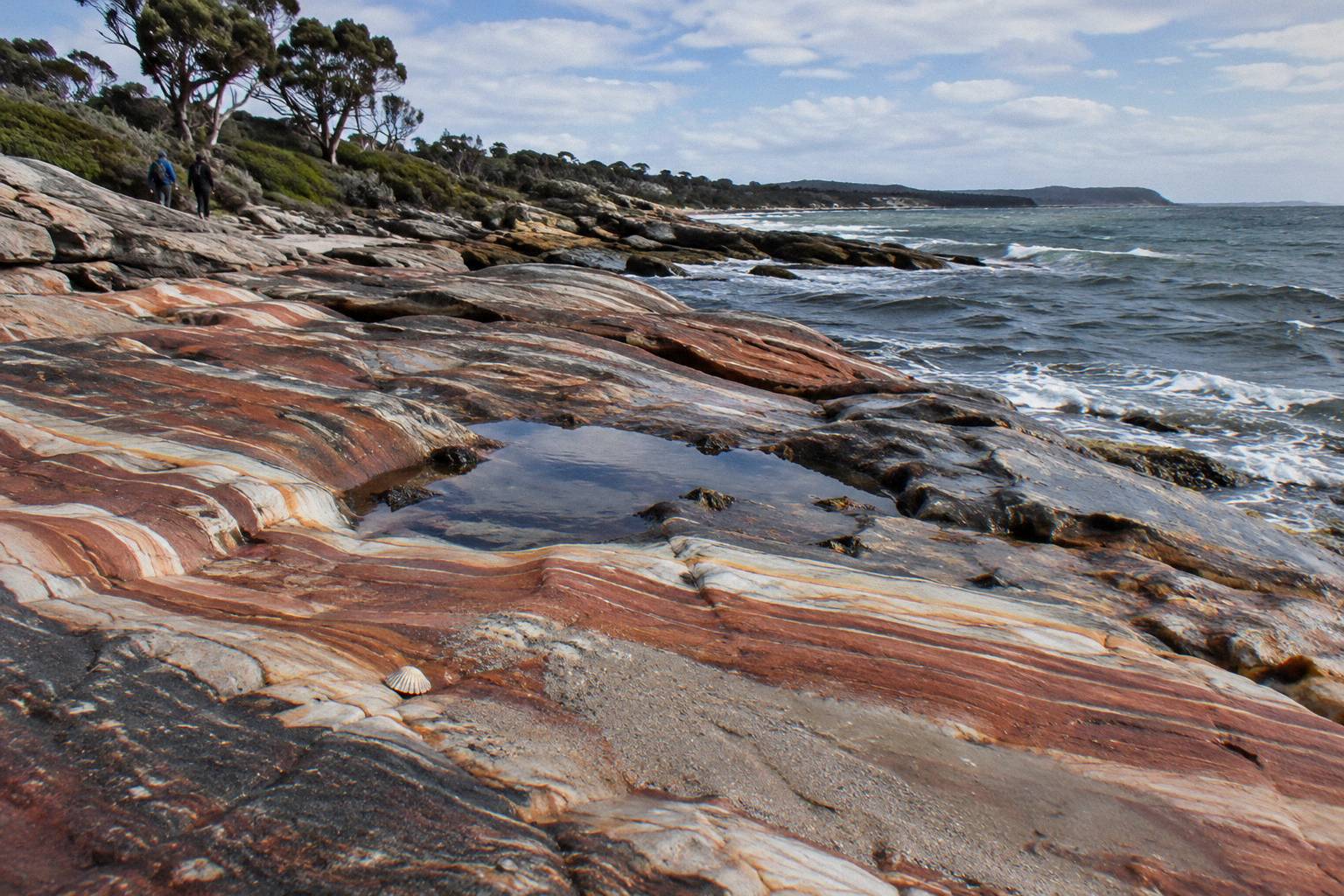
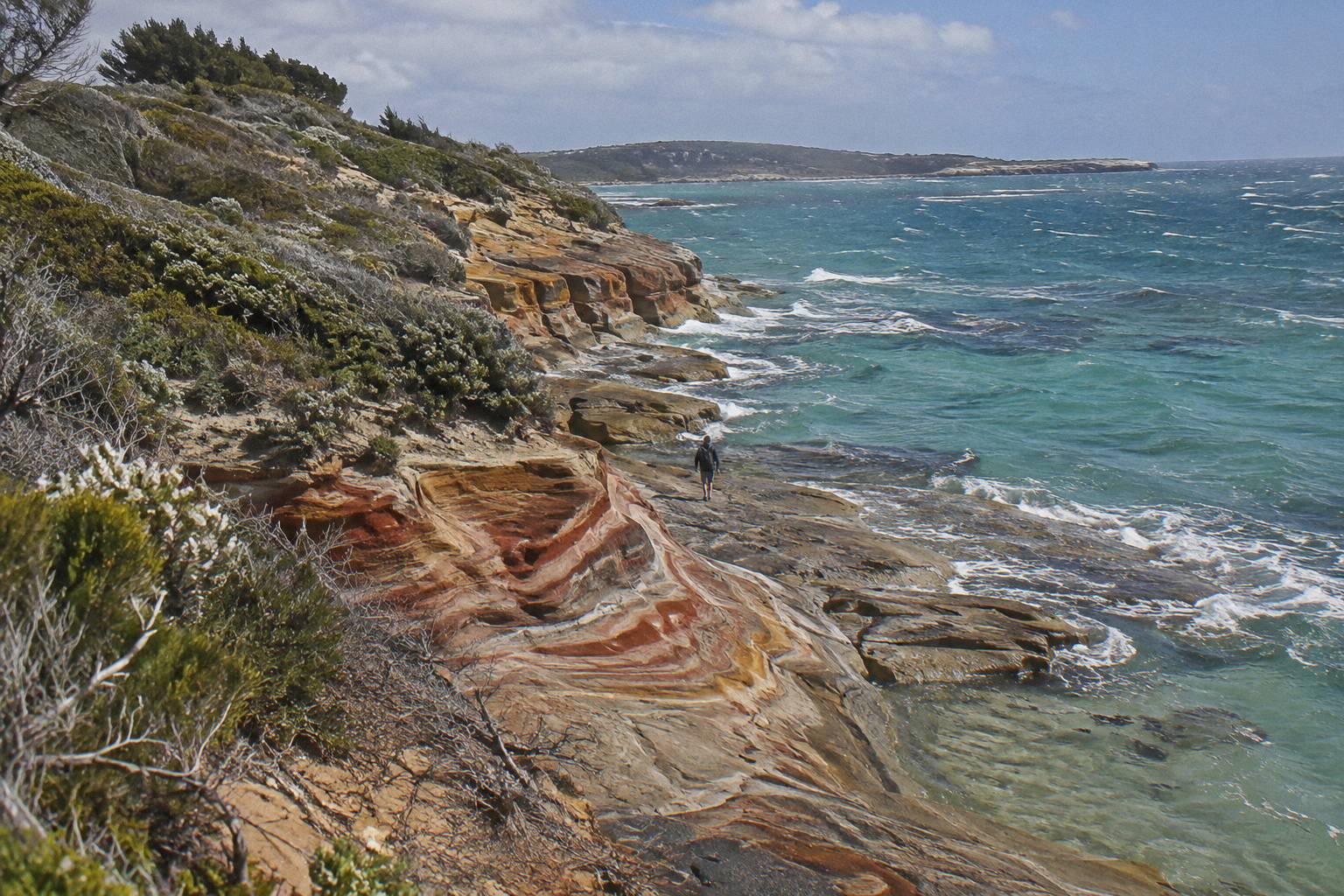
The Painted Cliffs are a patterned sandstone rock platform on Maria Island's shoreline, and the Parks and Wildlife Service states the platform is safest within two hours of low tide, with no access along the clifftop above. Darlington, the island's historic settlement, contains the Darlington Probation Station, which joined the Australian Convict Sites World Heritage listing in 2010. Both sit within walking distance of the ferry jetty.
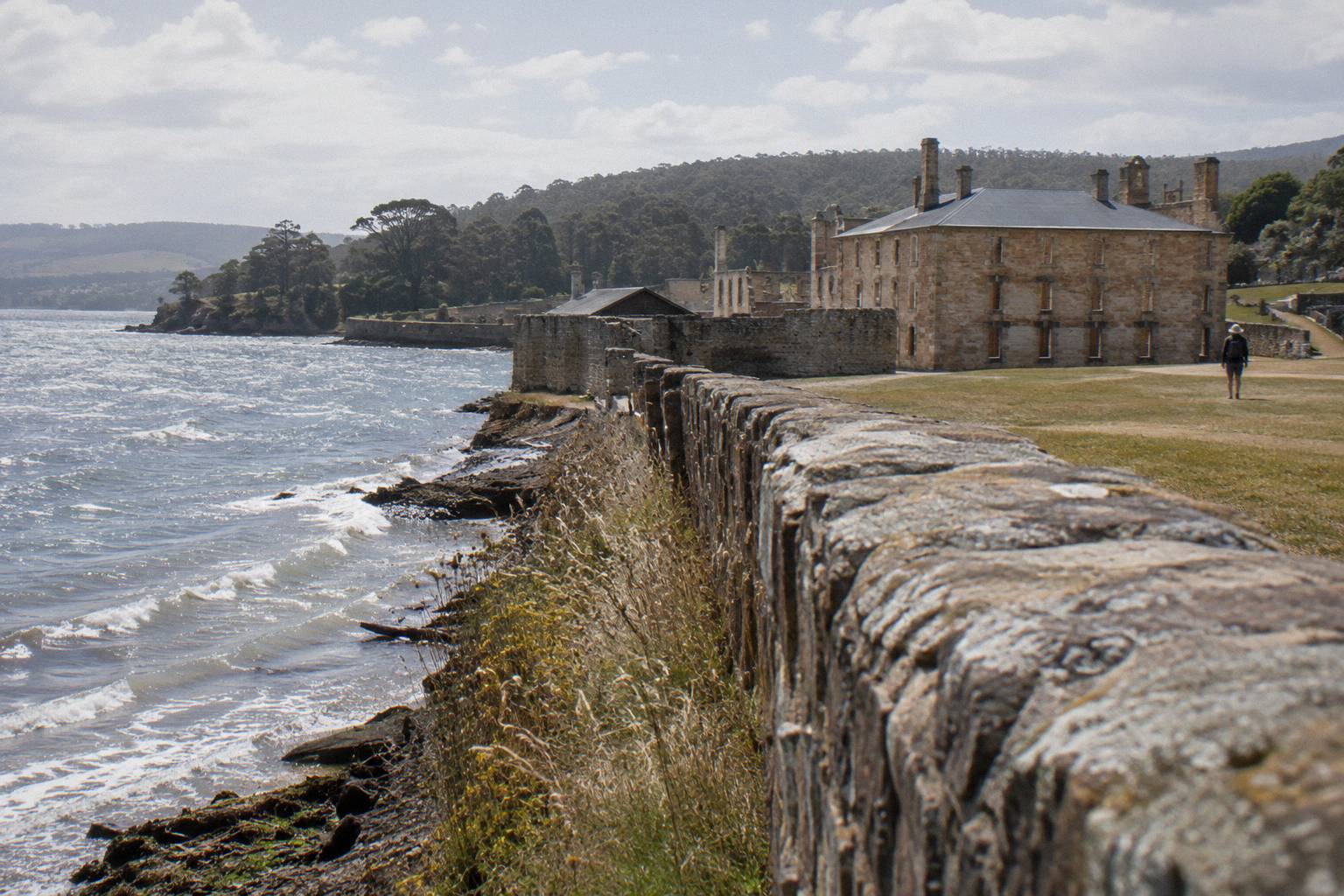
That tide rule is the single most practical piece of planning on the page. A day visitor who lands at the wrong tide window may find the platform off-limits, while a multi-day guest, whether on the operator's 4-day walk or the 6-day loop's overnight stay on the mainland coast, has more chances to time it right. Tide tables are published by official forecasting services, and any island day should be planned around them rather than around arrival times alone. The World Heritage listing ties Darlington to the same convict story as Port Arthur on the Tasman Peninsula, where about 12,500 convicts served between 1830 and 1877, and where the site opens daily 9am to 5pm except Christmas Day.
The Parks and Wildlife Service also notes seasonal campfire rules change on reserved land, so anyone planning independent camping should check the current rules rather than rely on a remembered date. A fuel stove is the only stove allowed in the World Heritage Area, a rule that applies to the island's walkers as it does on the Overland Track and Three Capes country. Guided guests rarely carry stoves at all, since the operator's walk includes meals and the vehicle loop returns to the mainland each evening, but the rule is worth knowing for any independent extension.
Darlington itself is more than a ferry stop. The probation station's 2010 listing placed it among eleven Australian convict sites in the same World Heritage grouping, and the stone buildings that survive there give the island its settled, lived-in character, quite unlike the wild alpine huts of the central highlands. Walkers arriving at the northern end of the island step straight into that setting, which is one reason the operator's south-to-north direction saves the historic quarter for the final morning.
What Wildlife Does Maria Island Have?
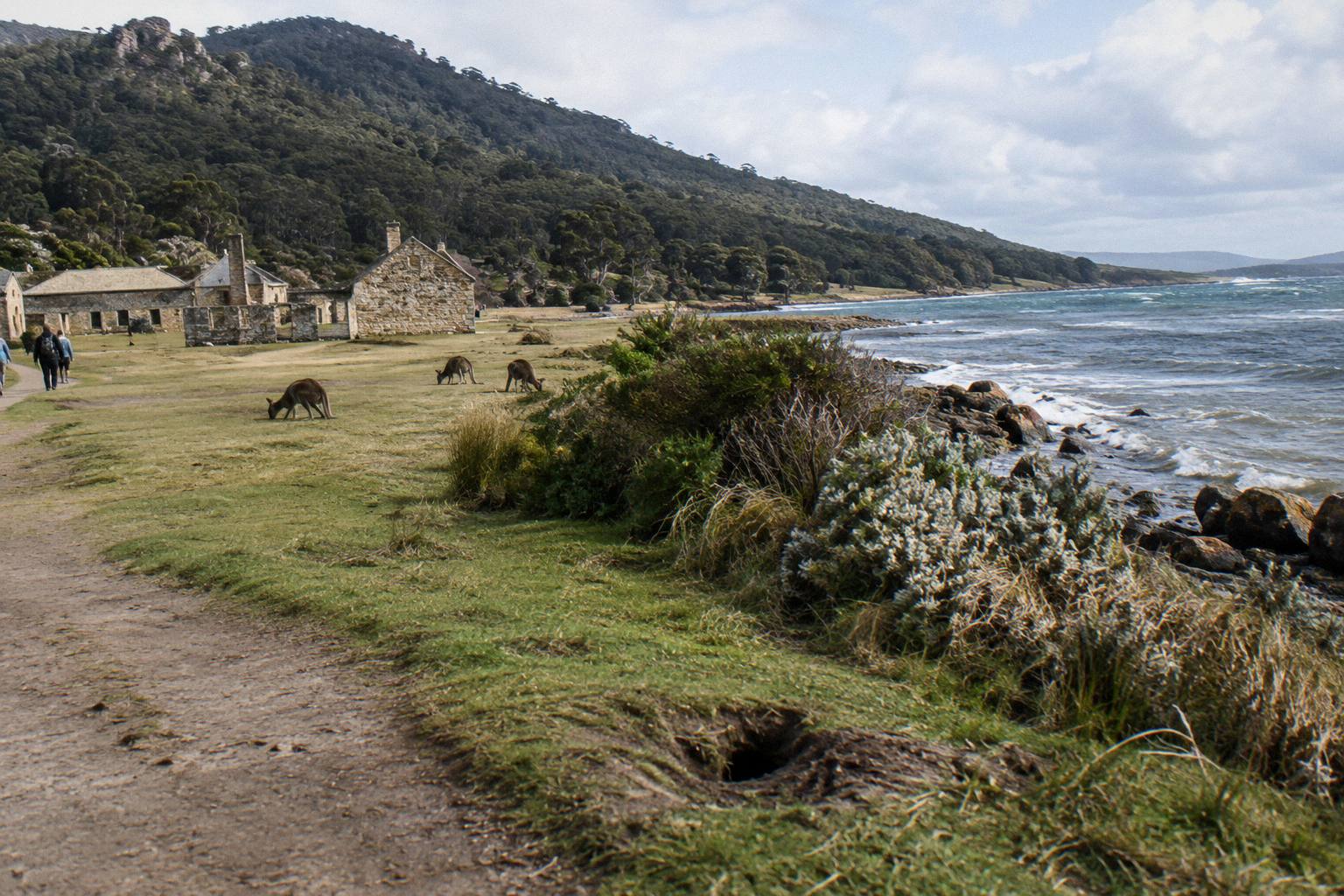
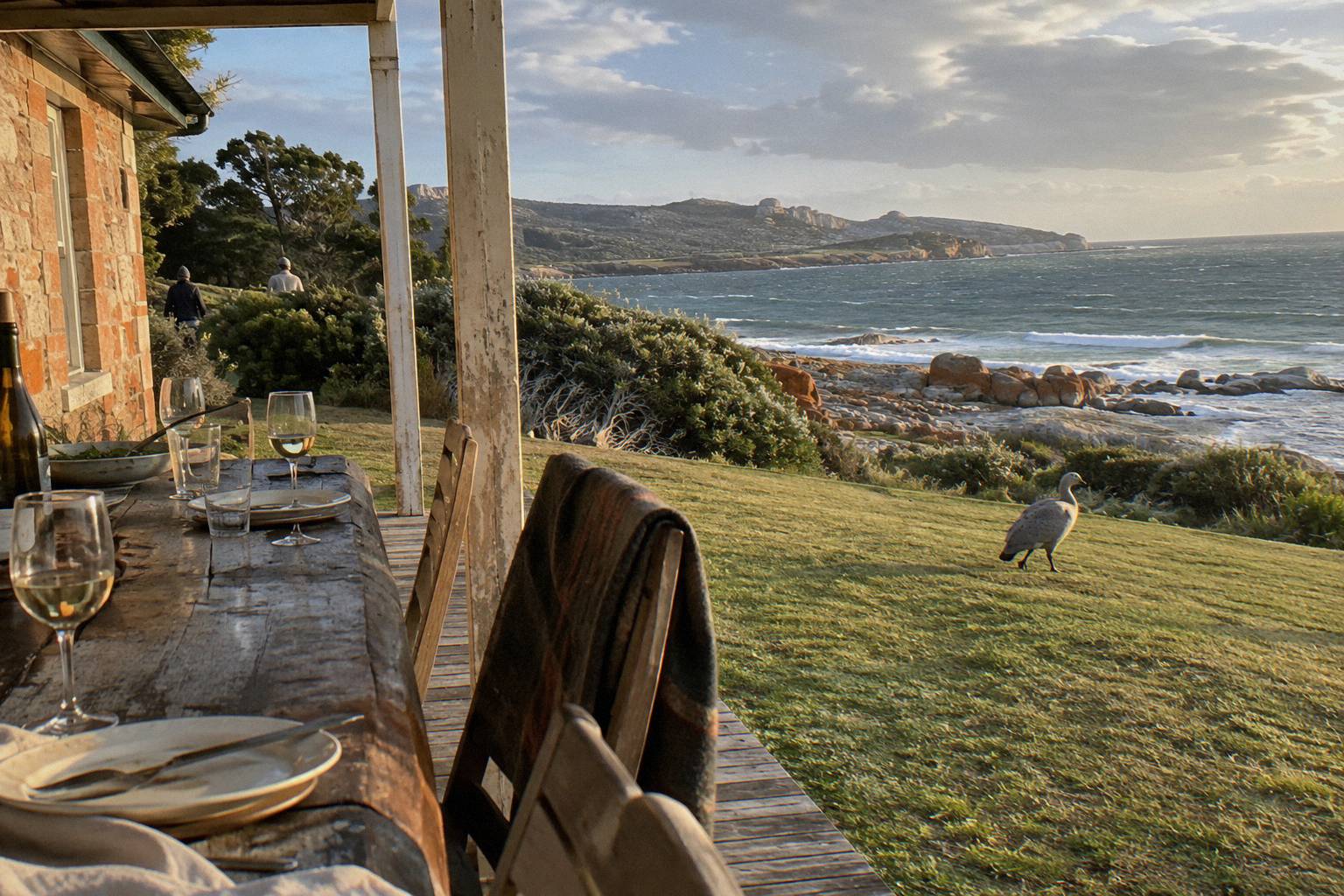
The Parks and Wildlife Service names wombats, devils, kangaroos and Cape Barren geese as wildlife on Maria Island, and attaches no guarantee to any of them. No guided trip sold anywhere can promise a sighting, and no page should, because the animals decide. What trips do list are wildlife venues: the 7-Day Value Loop includes Bonorong Wildlife Sanctuary entry, the Big 3 One-Way includes Tasmanian Devil Unzoo entry, and the 13-Guest Wildlife Trip includes wildlife sanctuary entry.
That distinction, between an island where animals roam free and a sanctuary where they are cared for, is worth holding onto while comparing. A sanctuary visit is a venue entry, listed as included on the booking page. An island day is a walk through habitat where wombats and kangaroos are named residents but appear on their own schedule. Anyone whose whole trip hinges on seeing a particular animal should ask the operator directly what to expect, and treat any answer as the operator's own words. The Parks and Wildlife Service names the animals without describing their behaviour, numbers or season, and the same restraint applies to the operator's own material.
The wider wildlife angle across the state, including which multi-day trips list which venues, is set out in the Tasmania multi-day wildlife tours guide. For walkers whose heart is set on a coastal walk with wildlife named on the official page, the Tasman Peninsula alternative below keeps the group at ten and the walks guided.
What Trips People Up Before Booking A Maria Island Walk
Three mistakes recur. First, assuming a vehicle tour drives onto the island: it cannot, because the Parks and Wildlife Service bars vehicles entirely, so the ferry and your own feet carry the day. Second, assuming the 4-day Maria Island Walk is sold alongside the multi-day loops here: it is a separate operator product booked through its own site. Third, forgetting the Painted Cliffs tide rule.
The checklist of questions worth asking any operator is short but saves real money and disappointment:
- Ask the operator how much walking time the island day actually allows, and whether the ferry is pre-booked as part of the trip.
- Ask whether meals on travel days are included: the Maria Island Route includes dinner and breakfast only, other meals are not.
- Ask what happens to your luggage on the island day, since no vehicle crosses with you.
- Ask about the cancellation window before paying: free cancellation up to 3 days before applies to the Wild Tasmania trips, while terms vary on other trips, so check when booking.
- Ask the minimum age if children are travelling, since most trips leave it to the operator to state; the Big 3 One-Way states minimum age 8 on its booking page.
A related trap is timing. October to April is the Maria Island Walk's own season, and the same months are when most guided loops run their fuller schedules, so the question of when to book a multi-day Tasmania tour interacts directly with island plans. Winter travellers should expect fewer options on every front, and no ferry operator can promise an island day in any month, because ferries and weather decide. The same logic applies to the clothes question: the Bureau of Meteorology's long-run averages show Hobart's mean maximum falling to 11.9 in July against 21.8 in January, and weather changes fast in coastal Tasmania at any time of year, so carry layers, a point the packing guide for multi-day tours and walks covers in detail.
For the full-state picture, the brand behind these comparisons, Tasmania Multi-Day Tours, covers every loop and walk from two days to ten.
Common Questions About The Maria Island Walk
What Is The Maria Island Walk?
The Maria Island Walk is a 4-day guided walk run by its own operator from October to April, walking the island south to north with pickup from central Hobart hotels from 7:30am. Guests carry packs of 6 to 8 kg, cover 10 to 15 km a day, sleep in twin-share bush camps plus Bernacchi House on the final night, and get meals, drinks and pack loan included. It is booked through the operator's own site, with a minimum age of 12 on standard departures.
Can You Stay Overnight On Maria Island?
Independent visitors stay in camping or historic accommodation booked through official channels, and the ferry operator publishes an overnight adult return fare of A$70 against the A$59 same-day return. Guided options differ: the operator's 4-day walk includes nights on the island, while the Maria Island Route is a vehicle loop whose nights are on the mainland at places like Lakeside Lodge, bush cabins, beachside bungalows and a farm stay.
Do Any Multi-Day Tours Include Maria Island?
Yes, one trip lists Maria Island National Park in its itinerary: the Maria Island Route, a 6-day, 5-night loop from US$1,006 per person, in US dollars, with a group maximum of 13, dinner and breakfast included, and day five on the island. Other multi-day loops reach the east coast without crossing to the island.
How Much Is The Maria Island Ferry?
The ferry operator's published fares from Triabunna are A$59 for an adult same-day return, A$70 for an adult overnight return, A$47.50 concession and A$36.50 for a child aged 4 to 16, in Australian dollars. Bookings are essential per the Parks and Wildlife Service, and bikes travel for a fee.
Are There Cars On Maria Island?
No. The Parks and Wildlife Service states the island is reached by ferry only and no vehicles are allowed, which is why any vehicle tour, including the 6-day Maria Island Route, leaves its transport on the mainland and continues on foot after the crossing.
What Wildlife Will I See On Maria Island?
The Parks and Wildlife Service names wombats, devils, kangaroos and Cape Barren geese as wildlife on the island, with no guarantee of any sighting. No operator can promise an animal, and no tour should. Trips that include wildlife venues list them as entries: for example, the 7-Day Value Loop includes Bonorong Wildlife Sanctuary entry and the Big 3 One-Way includes Tasmanian Devil Unzoo entry, each per its booking page.