What Should I Be Careful Of On A Multi-Day Tasmania Tour Or Walk?
The verified care points for a multi-day Tasmania tour or walk: fast-changing weather, park passes and track rules, tide times at Maria Island, stove and campfire rules, wildlife venues, and the questions to ask an operator before booking.
Short answer
The verified care points are weather that changes fast, so carry layers; park passes and track quotas set by the Parks and Wildlife Service; the Painted Cliffs tide rule on Maria Island; fuel stoves only in the World Heritage Area; and wildlife venues with no guaranteed sightings. Ask the operator about group size, fitness, meals, cancellation and gear before booking.
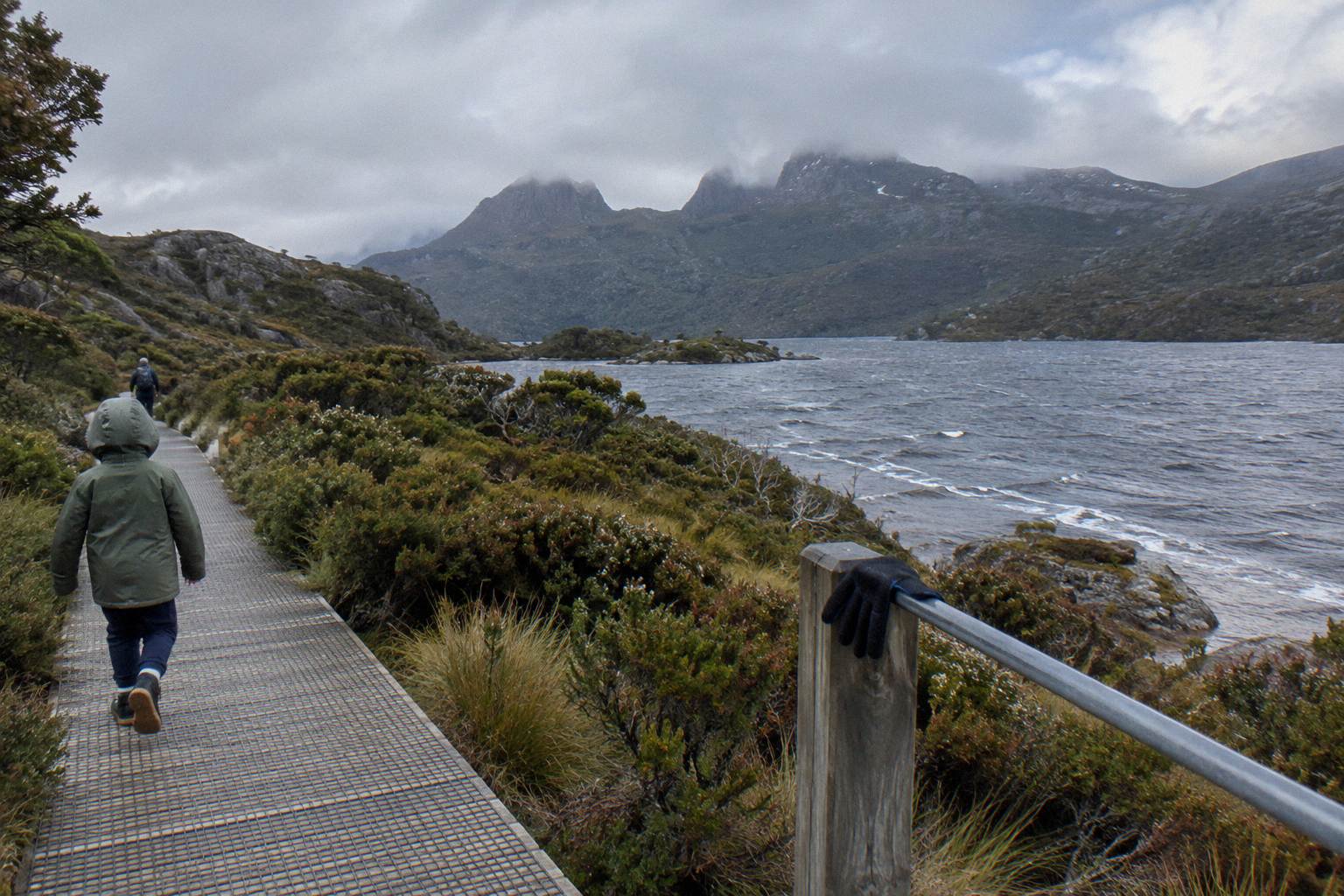
Multi-day trips come in more shapes than the long-distance walks that grab the headlines. A guided vehicle circuit such as the 13-guest wildlife trip carries different risks from a hut-based walk, and the coast circuit options span both kinds. The care points below apply across the range, with the walk-specific rules flagged where they bite.
Quick Facts
| Fact | Detail |
|---|---|
| Weather | Changes fast; carry layers. Long-run averages exist only for Hobart and Launceston stations |
| Hobart climate | Mean maximum 21.8 °C in January, 11.9 °C in July; about 610 mm of rain a year |
| Launceston Airport climate | Mean maximum 23.2 °C in January, 10.9 °C in July; about 678 mm of rain a year |
| Parks passes | Required for Tasmanian national parks; children under 5 free; fees reviewed each year |
| Overland Track | 65 km one way, 6 days, Grade 4; booking season 1 October to 31 May; fee A$312 adult |
| Maria Island | Ferry only, no vehicles; Painted Cliffs safest within two hours of low tide |
| Stoves | Fuel stoves only in the World Heritage Area at all times |
| Wildlife | No sighting of any animal is guaranteed; trips list wildlife venues, not animals |
The five care points that survive checking are: weather that turns quickly, so layers go in the bag on every trip; parks passes and track quotas, which the Parks and Wildlife Service sets and reviews; the tide rule at the Painted Cliffs on Maria Island; fuel-stove-only rules across the World Heritage Area; and the gap between a wildlife venue on an itinerary and a guaranteed animal. None of these is exotic. All of them trip up travellers who packed for the brochure version of the island rather than the version the Bureau of Meteorology measures.
The first thing to internalise is that Tasmania is an island with alpine country in the middle of it. The Bureau of Meteorology keeps long-run monthly averages for Hobart and Launceston, and even those two lowland cities swing from a mean maximum of 21.8 °C in January to 11.9 °C in July in Hobart's case. The official guidance is that weather changes fast and you carry layers, not that any particular month behaves.
The second thing is that the rules are real and written down. The Parks and Wildlife Service publishes pass prices, track fees, quota rules and stove restrictions, and it reviews fees annually. A guided trip shifts the admin burden to the operator, and the booking pages say where park fees are included, but the rules still shape what the trip can do and where. The Overland Track booking and permit rules matter even to travellers who never walk it, because they show how the island manages its most pressured places.
Third, the difference between a wildlife venue and a wildlife sighting. Booking pages list sanctuaries and parks by name; no page promises an animal. The Parks and Wildlife Service Maria Island page names wombats, devils, kangaroos and Cape Barren geese as wildlife on the island, and even that official page gives no guarantee. Treat any animal mention as a place to look, not a promise to collect.
If a multi-day guided trip is the direction, these three cover the spread of formats:
Each of those three answers a different version of the care question: a small-group vehicle circuit with sanctuary entry, a coast-to-coast loop with the deepest review pool, and a lodge-based guided walk where the operator handles the track logistics. The rest of the article works through the care points one by one, then closes with the questions worth asking before money changes hands.
Weather That Turns Fast: Layers, Wind And Rain
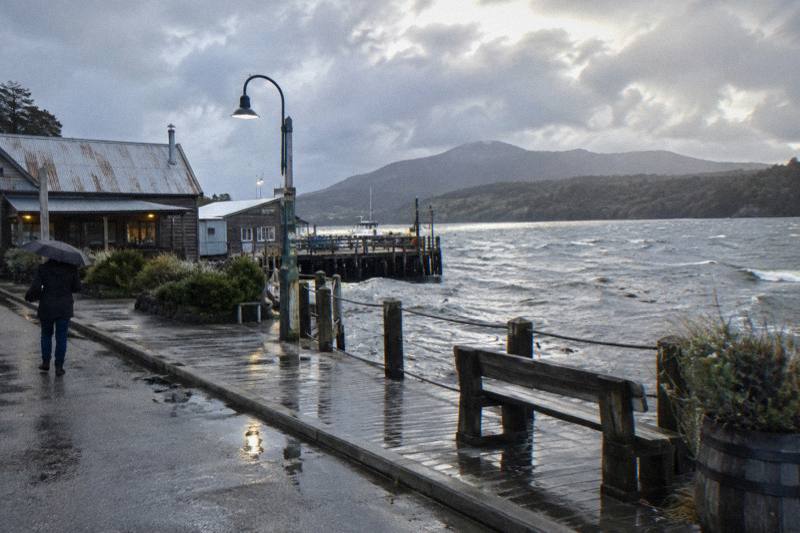
Yes, Tasmania's weather turns fast, so plan for four seasons in one day: pack warm layers you can shed, a waterproof rain jacket, and wind protection, no matter how clear the sky looks when you set out. Conditions can shift from sunshine to cold rain and gusting wind within hours, especially on exposed trails. The only long-run monthly averages that exist for the places on these itineraries are the Bureau of Meteorology figures for Hobart and Launceston Airport: Hobart ranges from a mean maximum of 21.8 °C in January down to 11.9 °C in July, with mean minima from 12.1 °C to 4.7 °C, and about 610 mm of rain a year. Launceston Airport runs a touch warmer at the top end, 23.2 °C in January, and colder at the bottom, 2.3 °C mean minimum in July, with about 678 mm of rain a year.
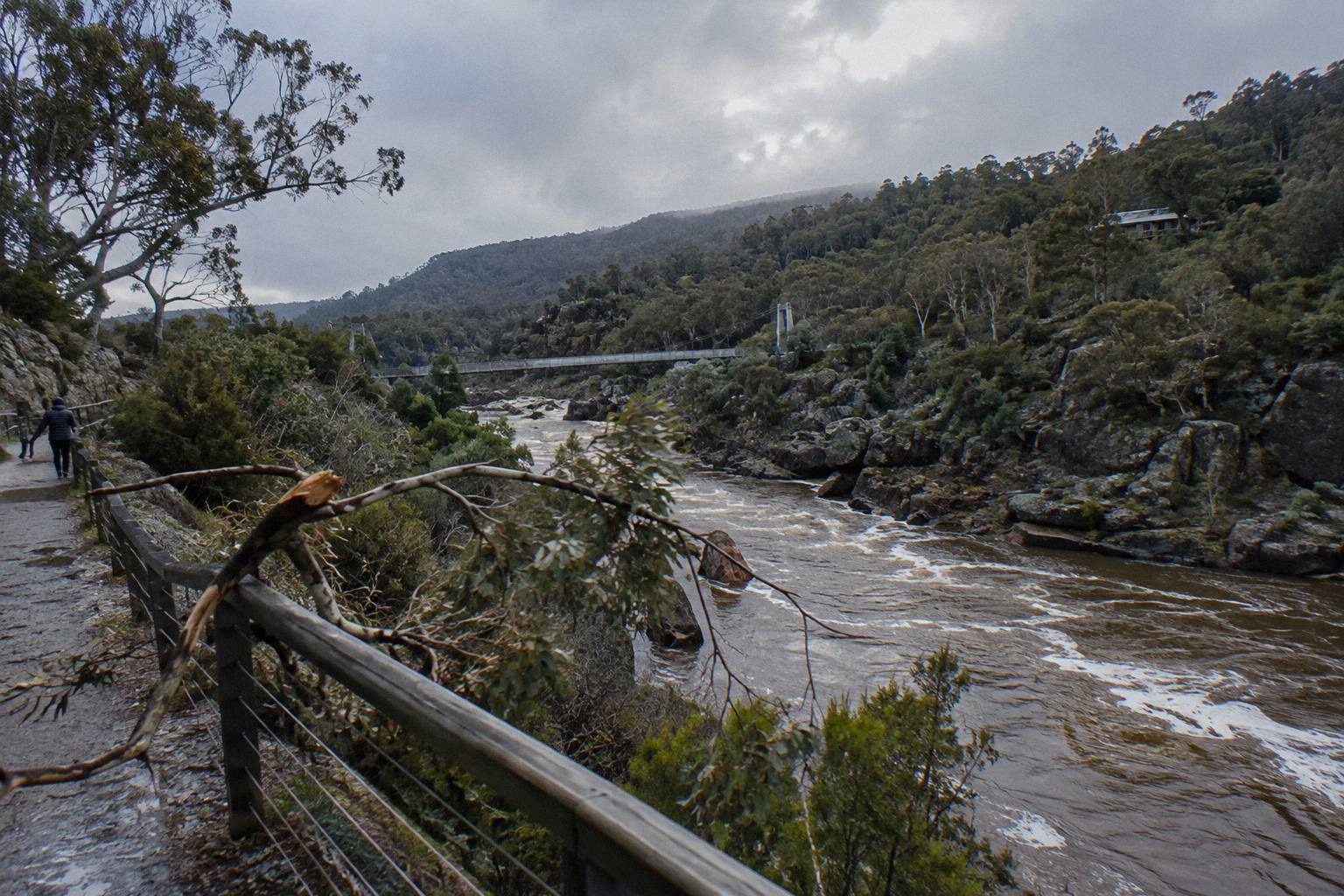
What those numbers mean in practice is a packing problem, not a scheduling one. A January day can sit in the low twenties in Hobart and feel raw on an exposed headland two hours later. The Bureau of Meteorology's Hobart climate averages and the matching Launceston Airport table are the baseline, and the gap between mean maximum and mean minimum, seven or eight degrees on any given month, is the number to plan clothing around. Under Down Under's own tour pages describe walks of 20 minutes to 4 hours and ask for moderate fitness and good mobility, which tells you time outdoors is a given, not a maybe.
| Station | Jan mean max | Jan mean min | Jul mean max | Jul mean min | Rain a year |
|---|---|---|---|---|---|
| Hobart (Ellerslie Road) | 21.8 °C | 12.1 °C | 11.9 °C | 4.7 °C | about 610 mm |
| Launceston Airport | 23.2 °C | 10.2 °C | 10.9 °C | 2.3 °C | about 678 mm |
Two stations, two rows. That is the entire verified climate table for the state, and the absence of more rows is the warning. Rain falls somewhere in every month of those averages, so a waterproof layer is a year-round item rather than a winter one. The practical care point for a guided trip is simpler than for an independent one: ask the operator what happens to the itinerary when a day turns foul, because the answer varies by trip and the booking page will not always spell it out.
- The 13-Guest Wildlife TripUS$703
- The Proven 5-Day LoopUS$737
- The Maria Island RouteUS$1006
- The 7-Day Value LoopUS$1151
- The Comfort Stays VersionUS$1672
For a small-group option that keeps the weather decisions with a guide, The 13-Guest Wildlife Trip runs 4 days and 3 nights from Hobart, from US$703 per person, rated 4.8 from 33 reviews, with national park tickets and the Cradle Mountain shuttle listed in the fare. Check availability once the season and the packing list line up.
Park Passes, Track Quotas And The Rules That Shape A Trip
A valid parks pass is required for all Tasmanian national parks, with children under 5 free, and the Parks and Wildlife Service reviews fees every year, so the figures below are published prices rather than permanent constants. Beyond the pass itself, track quotas and booking rules can shape your trip as much as the fees do. The Daily Pass runs to A$49.15 per vehicle for up to 8 people or A$24.55 per person arriving by bus, bike or on foot, and it excludes Cradle Mountain entry and the shuttle. The Icon Daily Pass for Cradle Mountain, bought at the visitor centre with the shuttle included, is A$30.70 adult and A$12.30 for a child 5 to 17. A Holiday Pass covering all national parks for up to 2 months is A$98.35 per vehicle or A$49.20 per person, shuttle not included. The Parks and Wildlife Service pass page is the source, and it is the page to check before any independent driving.
On a guided trip, the pass question mostly answers itself, but it answers itself differently per trip. The Proven 5-Day Loop lists National Park Entry Fees in its fare. The 7-Day Value Loop, from US$1,151 per person, does the same. The Big 3 One-Way lists national park entrance fees plus the Tasmanian Devil Unzoo and Port Arthur entry. The Two Icons From Launceston includes national park passes for both Cradle Mountain and Freycinet. The One-Day tours print no inclusions data, so ask the operator what the fare covers before assuming anything.
The track quota rules are the other half of the picture. The Overland Track page lists a 65 km one-way walk of 6 days at Grade 4, a booking season from 1 October to 31 May, a fee of A$312 adult including park entry and the Cradle shuttle, and up to 34 independent walkers departing per day in that season, north to south only, with a maximum of 8 per booking. Winter, 1 June to 23 September, is registration only with a park pass. No trip here is an Overland Track trip, and quotas sell out, so the care point is timing: anyone weaving an Overland ambition into a Tasmania plan should read the quota and season rules early, not late.
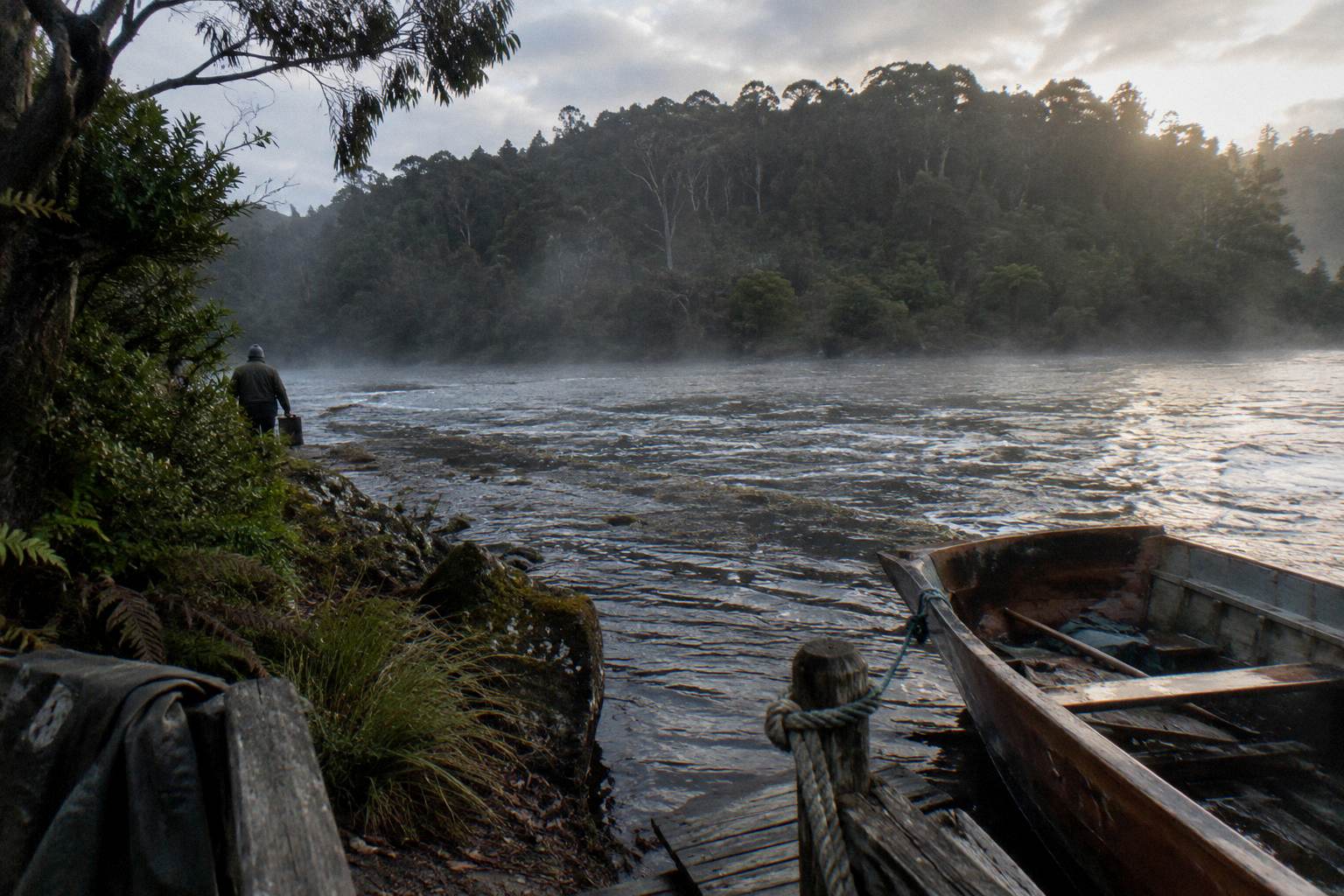
For travellers who want the loop experience without the walk logistics, The Proven 5-Day Loop covers west and east coast over 5 days and 4 nights from Hobart, rated 4.9 from 450+ reviews, with its price on the booking page. Tour amounts are in US dollars.
The pass and quota section also explains why guided trips cost what they cost: several of them fold park fees, sanctuary entries and historic-site entries into one fare, which removes a whole category of at-the-gate surprises. The care point is simply to know which entries your fare carries, and to budget the rest.
Wildlife On The Itinerary: Venues, Not Promises
No booking page for any trip here promises an animal, and the only official wildlife statement available is the Parks and Wildlife Service's Maria Island page, which names wombats, devils, kangaroos and Cape Barren geese as wildlife on the island with no guarantee attached. That is the ceiling of what can be said. The care point is expectation management: the itineraries list venues, and venues are places with a good reputation for animals, not vending machines.
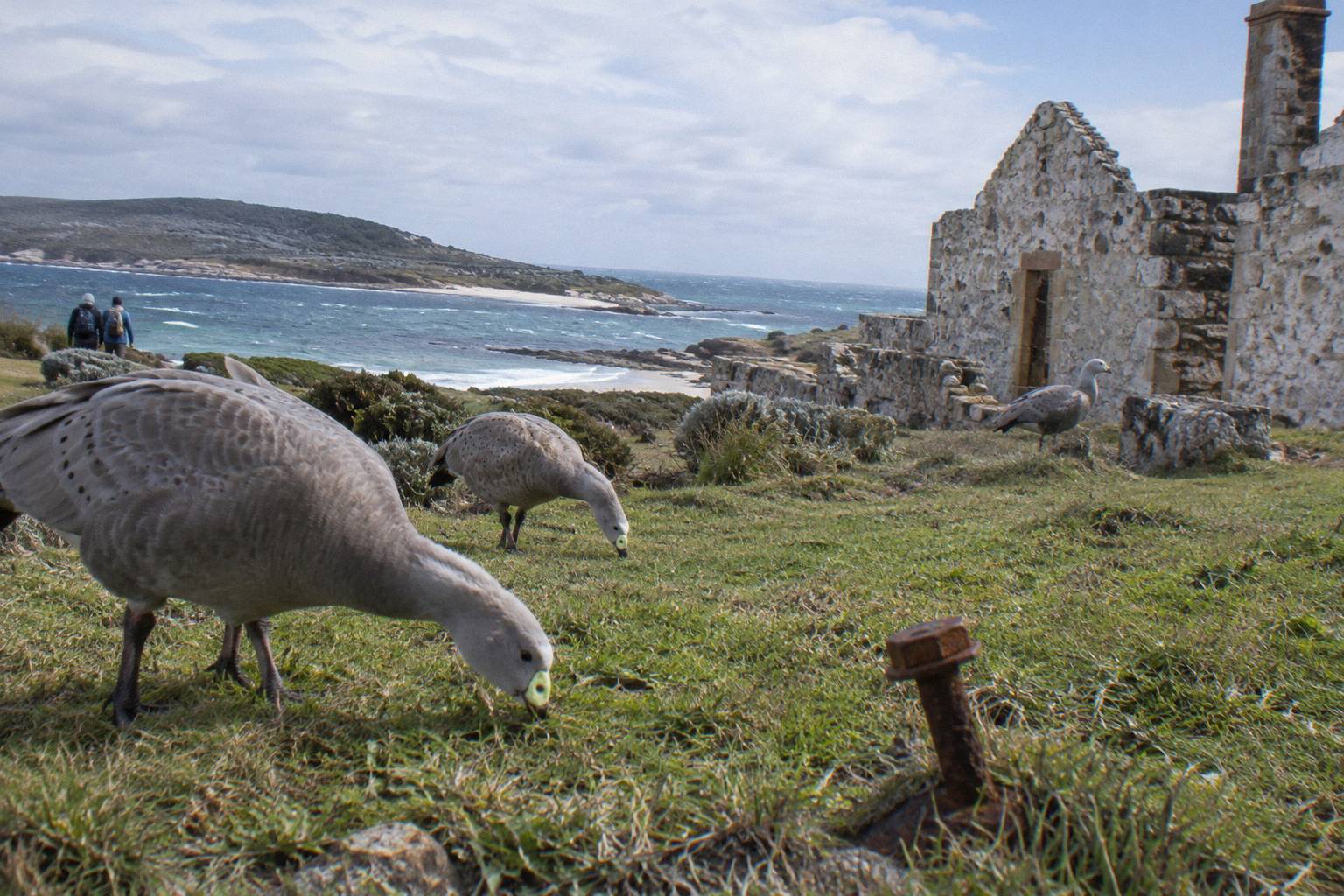
The venues named on the booking pages are worth listing plainly, because they differ trip to trip and the difference shapes what you actually see:
| Trip | Wildlife venue the booking page lists |
|---|---|
| The 7-Day Value Loop | Bonorong Wildlife Sanctuary entry |
| The 13-Guest Wildlife Trip | Wildlife sanctuary entry |
| The Big 3 One-Way | Tasmanian Devil Unzoo entrance fee |
| The Comfort Stays Version | Entry to East Coast Nature World |
| The Full Island Walkabout | Entry to Bonorong Wildlife Sanctuary |
Sanctuaries are the reliable end of the spectrum: they hold resident animals and the entry is in the fare. National parks are the wild end, and that is where the no-guarantee rule bites hardest. Maria Island is the famous case, and even there the official page gives the animals names and nothing more. Anyone booking a trip specifically to see a devil should weight the sanctuary days more heavily than the park days, and say so to the operator when booking.
The other wildlife care point is behavioural: never describe an animal's behaviour, numbers or season as a fact, because none of it is verified here, and the same humility applies to travellers. The general rule on any guided trip is that the guide sets the distance, and the question worth asking before booking is how the operator handles wildlife encounters on the itinerary.
Maria Island, Ferries And The Painted Cliffs Tide Rule
Maria Island is accessible only by ferry, and advance ferry bookings are essential since no vehicles operate on the island; once there, the Painted Cliffs rock platform is safest to visit within two hours of low tide, and note that clifftop access is not available. For a multi-day tour, the care point is timing: a tide-dependent rock platform on a fixed group schedule can mean the difference between a walk on the platform and a view from the sand. Ask the operator how the itinerary handles the tide table on the day.
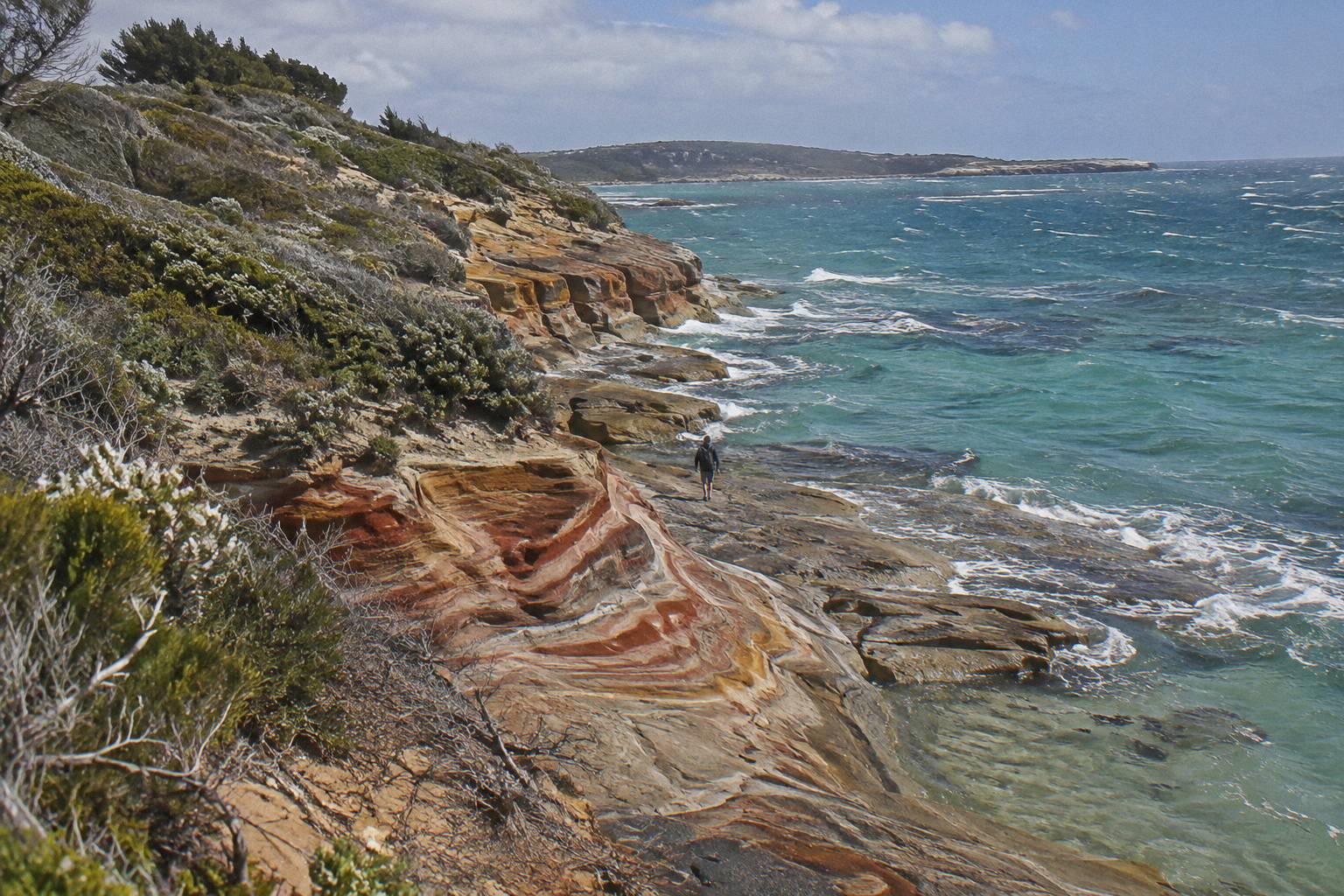
The ferry facts are straightforward. The Encounter Maria Island ferry sails from Triabunna, and its published fares are A$59 adult same-day return, A$70 adult overnight return, A$47.50 concession and A$36.50 for a child 4 to 16, with bikes carried for a fee. Bookings are essential. Everything else covered here is indexed on Tasmania Multi-Day Tours.
One structural point matters for tour travellers: The Maria Island Route is a 6-day vehicle tour from Hobart, from US$1,006 per person, and no vehicle drives onto the island, because none can. The island day is a ferry-and-foot affair inside a vehicle itinerary, which is exactly the kind of detail that catches people who pictured a bus tour all the way. Its booking page lists dinner and breakfast in the fare, with other meals not included, and free cancellation up to 3 days before.
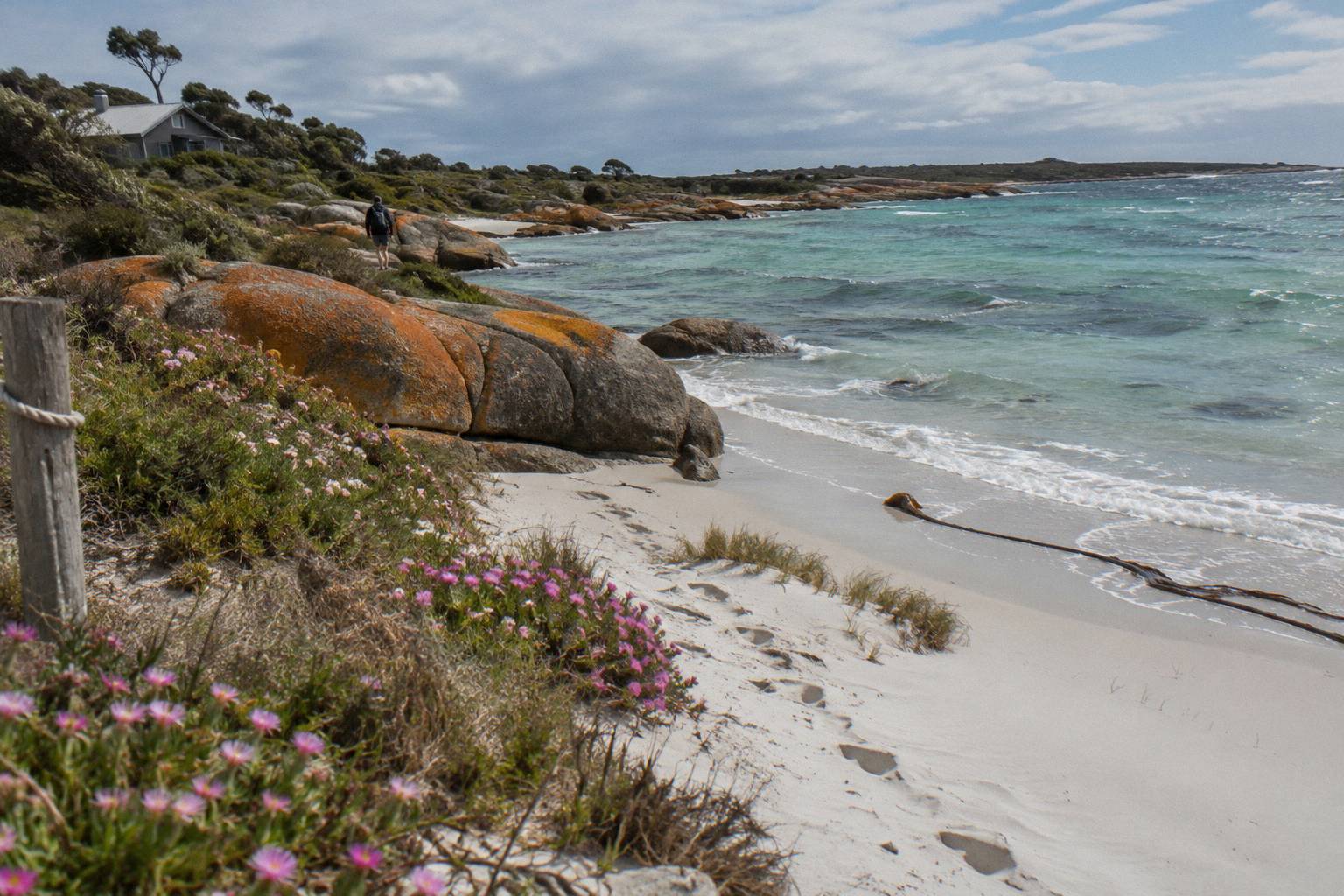
The Painted Cliffs rule deserves its own sentence in your planning notes: within two hours of low tide, and no clifftop route exists as an alternative. The Darlington Probation Station on the island is part of the Australian Convict Sites World Heritage listing from 2010, which is the heritage anchor of the visit and is not tide-dependent. A traveller with one shot at the island should check the tide table for the visit date before the trip, not on the morning.
Stoves, Campfires And Food Rules In Protected Areas
The World Heritage Area is fuel-stove-only at all times, and seasonal campfire bans on reserved land change from year to year, so the care point is to check the current Parks and Wildlife Service rules rather than any remembered date. A ban window that applied last autumn may shift, and printing a date here would date the advice. The rule that does not change is the stove one, and it applies across the World Heritage Area including the Three Capes and the Vale of Belvoir.
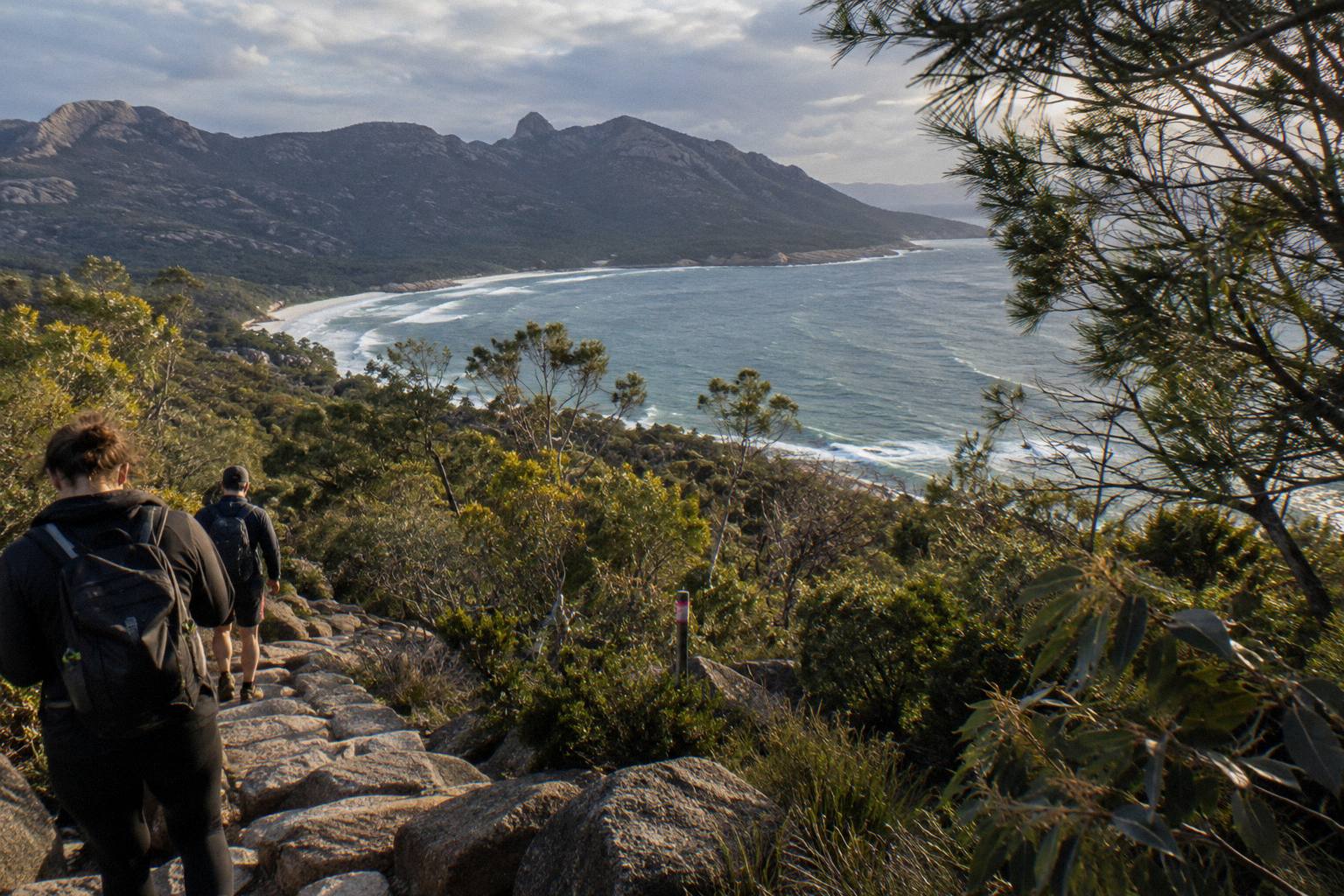
For guided trips the food question is simpler but still worth checking. The meal picture varies sharply trip to trip: The Proven 5-Day Loop includes no meals, with food and drinks excluded; The 13-Guest Wildlife Trip includes one dinner and one breakfast; The Comfort Stays Version includes dinner on three nights, breakfast on four, and a Gordon River cruise with lunch; The Hotels-And-Meals Circle includes breakfast on all seven mornings, lunch on six days and dinner; The Lodge-Based Capes Walk includes breakfast, lunch and dinner across its 4 days plus daily snacks, tea, coffee and cake. None of those is a rule about your behaviour, but each is a budgeting and packing fact: a no-meals fare means shop stops and lunch money, and a fully catered walk means one less thing to carry.
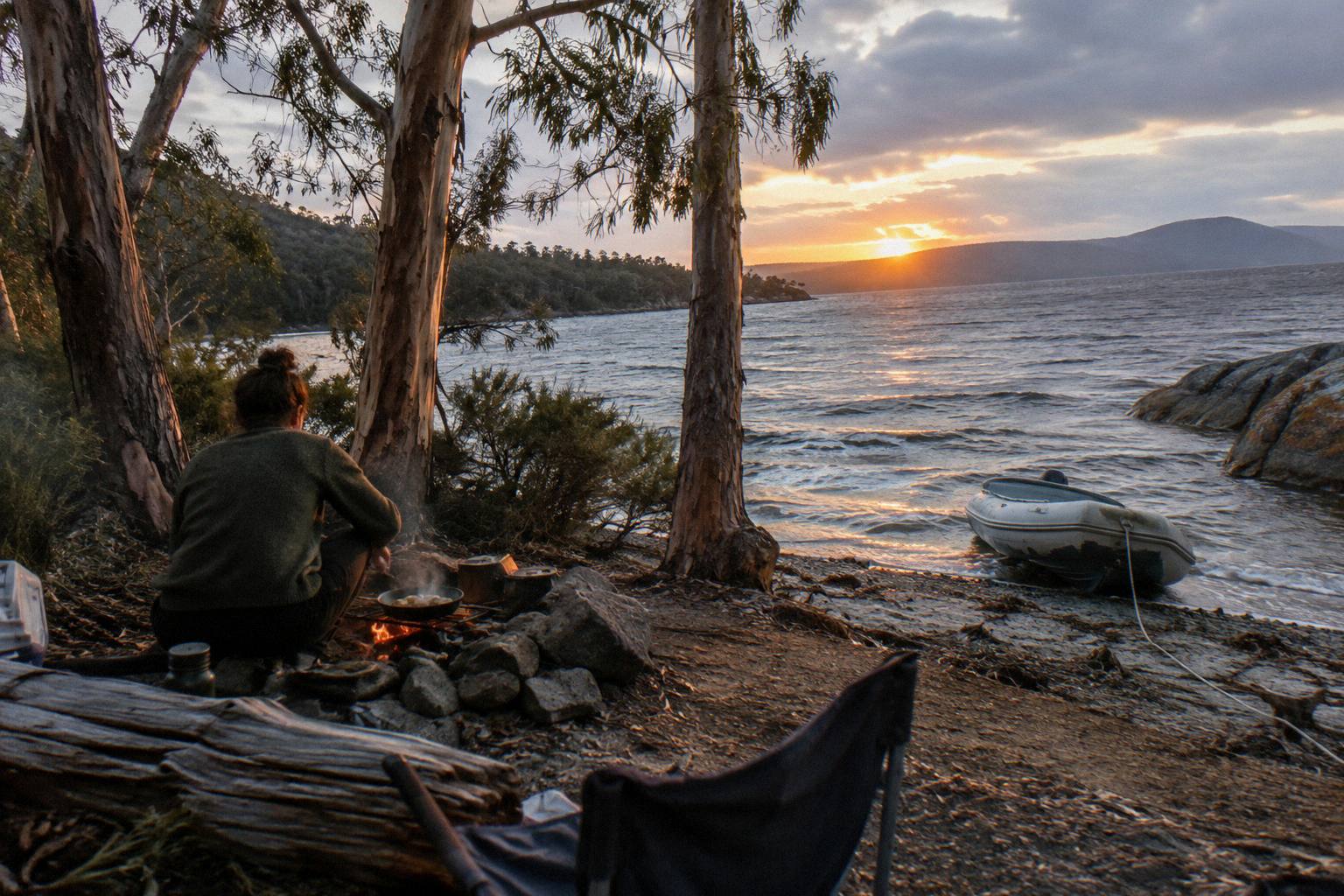
The campfire point mostly matters to independent travellers and campers, but guided walkers meet it too at established sites. The safe sentence is the one the official sources support: campfire restrictions are seasonal and change, so check the Parks and Wildlife Service pages for the area and season before lighting anything or assuming a fire ring is open. On a guided trip, the operator carries the compliance burden, which is one of the quiet arguments for guided formats in stove-only country.
Questions To Ask The Operator Before You Book
Six questions cover most of the risk on any multi-day booking: what the fare includes and excludes, what the group maximum is, what fitness and mobility the itinerary assumes, what the cancellation terms are, what happens when weather closes a track, and what gear you must bring versus what is provided. Every one of those has a trip-specific answer, and several of them vary inside a single operator's range, so the answers belong in writing before payment, not in a chat at the trailhead.
| Question | Why it matters | Where the answer varies |
|---|---|---|
| What does the fare include? | Park fees, entries and meals differ trip to trip | The Proven 5-Day Loop includes no meals; the Comfort Stays Version includes most |
| What is the group maximum? | It shapes the pace and the road experience | 24 on the big loops, 13 on the Wild Tasmania trips, 10 on the Lodge-Based Capes Walk |
| What fitness is assumed? | Walks run from short stops to full days | Ask the operator; the Under Down Under pages say moderate fitness and good mobility |
| What are the cancellation terms? | Terms vary from trip to trip | The Proven 5-Day Loop allows free cancellation up to 14 days before; the Wild Tasmania trips allow free cancellation up to 3 days before |
| What if weather closes a track? | Itineraries can shift | Ask the operator |
| What gear do I bring? | Layers are on you in every season | Ask the operator; the packing basics are in the packing guide |
Cancellation deserves a special flag because it varies more than any other term. The Proven 5-Day Loop's booking page describes free cancellation up to 14 days before. The Wild Tasmania trips, the 4-day, the 6-day Maria Island Route and the 2-day Overnight At Cradle, each allow free cancellation up to 3 days before. The Two Icons From Launceston allows it up to 24 hours before. The Big 3 One-Way is non-refundable per its booking page, and several others say check when booking. Treat the cancellation line as a care point equal to the price line, because on a long trip it can be worth more.
For a walking-format trip where the operator absorbs most of the logistics, The Lodge-Based Capes Walk runs 4 days and 3 nights from Hobart, from US$2,084 per person, with a group maximum of 10, lodge accommodation, nearly all meals, and transfers to and from the Hobart CBD included. Its booking page describes free cancellation up to 60 days before.
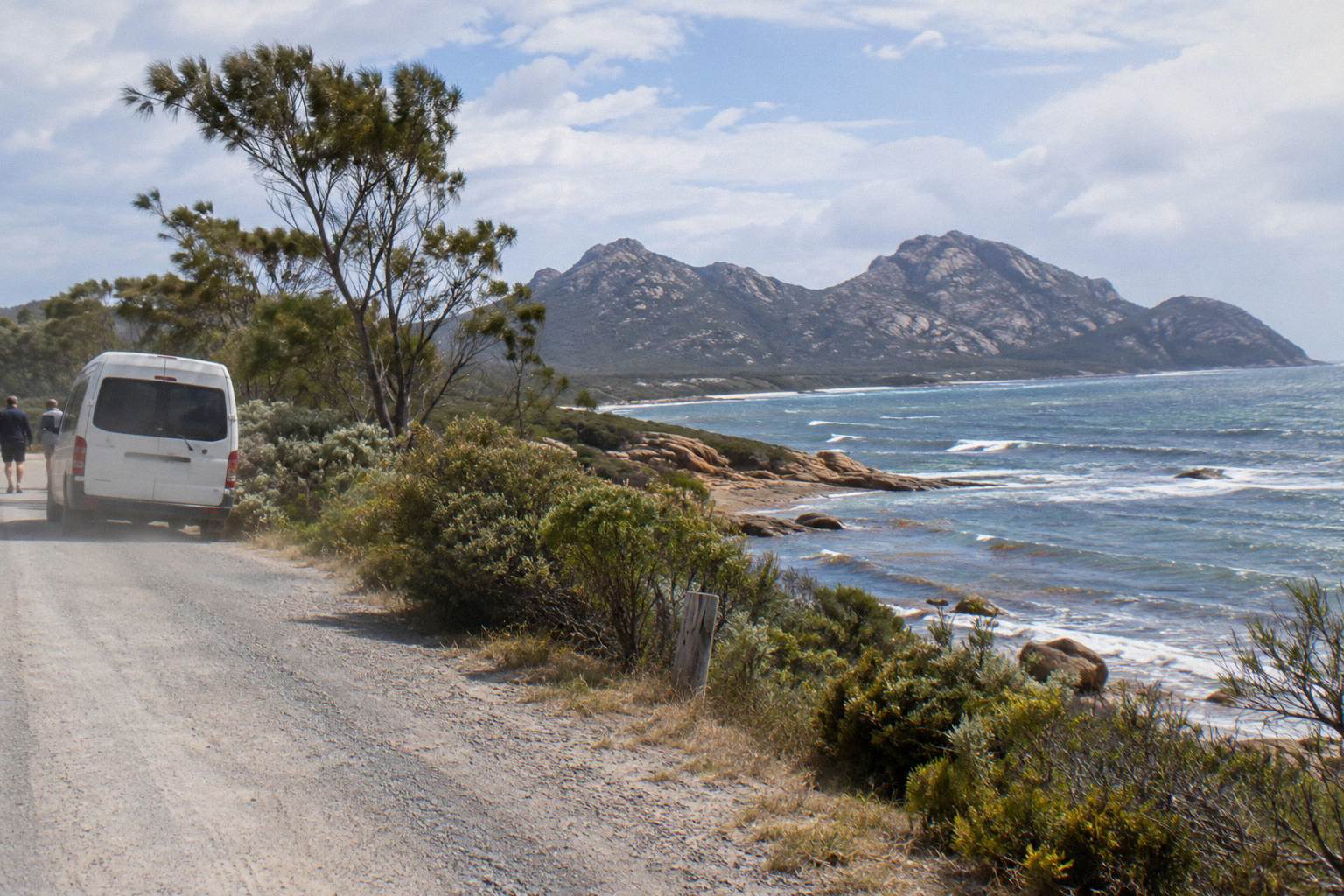
The guided-walk format also carries its own care points around the walking itself. The Parks and Wildlife Service grades the Three Capes Track at Grade 3 over 48 km and the Overland Track at Grade 4 over 65 km, and those grades are the official answer to the how-hard question. Fitness guidance beyond the grades is a medical matter: check with your doctor and tell the operator when you book, and the same sentence applies to any condition that could matter on a multi-day trip.
What Trips People Up Before Booking A Multi-Day Tour
The recurring mistakes are booking without reading the cancellation line, assuming accommodation is included when a trip says otherwise, assuming meals are covered, treating a wildlife venue as a sighting promise, and ignoring the difference between a vehicle tour and a walk. Each of those has a documented case in the trip details: the Big 3 One-Way and the Two Icons trips where accommodation is not included, the no-meals fares, and the sanctuary entries that are places, not promises.
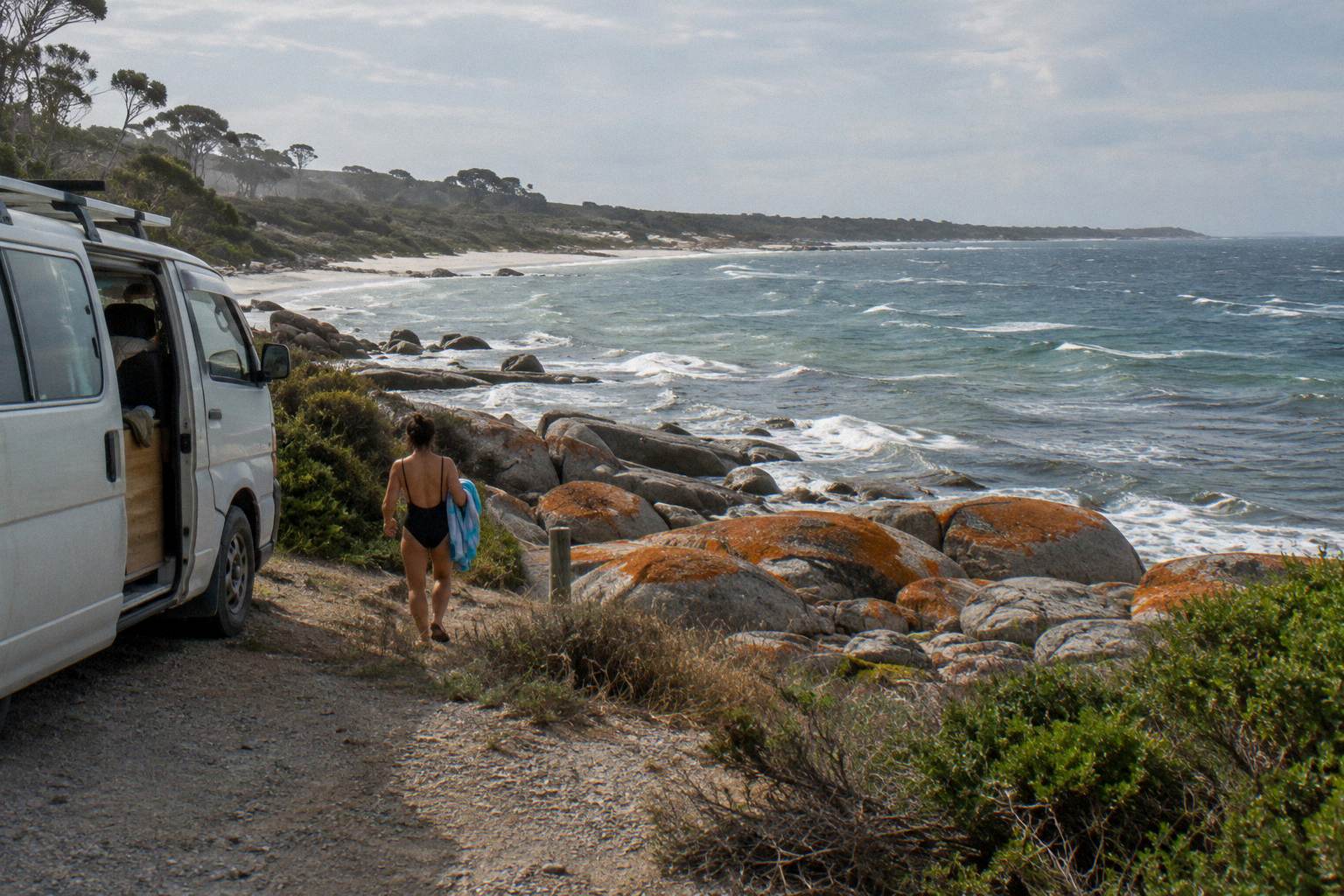
Accommodation is the biggest trap of the set. The Big 3 One-Way's booking page says to book 2 nights in Hobart and 2 nights in Launceston yourself, and the Two Icons From Launceston lists accommodation as an additional cost that varies by hotel. Neither is all-inclusive, and neither pretends to be, but travellers skimming itineraries can miss it. The contrast trips make the point: The Proven 5-Day Loop names its four nights of accommodation, and the Hotels-And-Meals Circle names seven. Read the accommodation line before the itinerary line, because the itinerary is the fun part and the accommodation line is the one that costs real money if misread.
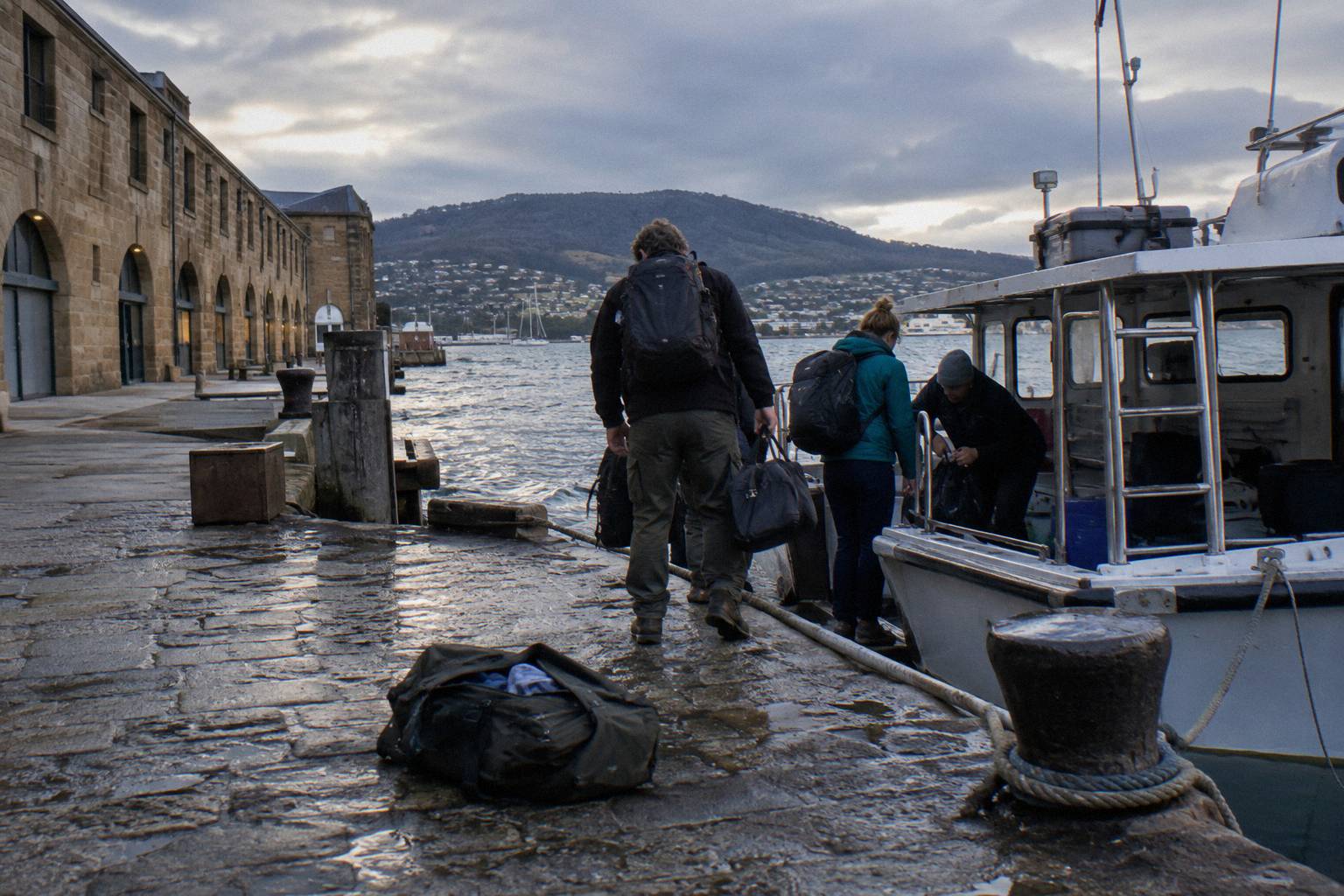
The second mistake is calendar-based. Track seasons, quota windows and ferry bookings all have fixed official rules, and a trip booked against the wrong window is a trip rebooked. The third is packing-based: the packing guide for a multi-day Tasmania tour or walk covers the layer system that the climate table above implies, and the quick version is that a waterproof and a warm layer travel in every month. The fourth is assuming the group experience: group maximums range from 10 to 24 across the trips here, and the pace, the road feel and the lodge or motel nights all follow from that number.
Solo travellers and seniors have extra angles worth a dedicated read: the small-group options for solo travellers page and the seniors multi-day tour guide both work through suitability questions the general pages leave open. Neither replaces asking the operator directly, which remains the final step before any booking on this island.
Three formats, three answers to the care question, one more time for the road:
Common Questions About Being Careful On A Multi-Day Tasmania Tour Or Walk
What Should I Be Careful Of On A Multi-Day Tasmania Tour Or Walk?
The verified care points: weather changes fast so carry layers; parks passes are required and reviewed annually; the Painted Cliffs on Maria Island are safest within two hours of low tide; the World Heritage Area is fuel-stove-only; and no wildlife sighting is guaranteed. Ask the operator about fitness expectations, cancellation terms, meals and gear before booking.
Is A Multi-Day Tasmania Tour Safe?
No verdict is offered here, and none should be. What the sources give is rules and grades: the Parks and Wildlife Service grades the Three Capes Track at Grade 3 over 48 km and the Overland Track at Grade 4 over 65 km, and advises that weather changes fast. Check with your doctor and tell the operator when you book.
Do I Need A Parks Pass On A Guided Tour?
It depends on the trip. Several booking pages list park fees in the fare: The Proven 5-Day Loop, The 7-Day Value Loop, The Big 3 One-Way and The Two Icons From Launceston all include national park entry or passes. Where a fare does not list them, the Parks and Wildlife Service's published pass prices apply, from A$24.55 per person arriving by bus for a daily pass.
What Happens If The Weather Turns Bad Mid-Trip?
That varies by operator and no blanket answer exists. Ask the operator before booking what happens to the itinerary when a track or a sailing is affected by weather. The Bureau of Meteorology averages for Hobart and Launceston show rain in every month of the year, so the question is worth asking on any departure date.
Will I See Wombats Or Tasmanian Devils?
No sighting is guaranteed on any trip. The Parks and Wildlife Service names wombats, devils, kangaroos and Cape Barren geese as wildlife on Maria Island with no guarantee, and the trips here list wildlife venues such as Bonorong Wildlife Sanctuary, the Tasmanian Devil Unzoo and East Coast Nature World, which hold resident animals. Weight sanctuary days if animals are the priority.
Can I Cancel A Multi-Day Tasmania Tour If My Plans Change?
Terms vary trip to trip, so read the cancellation line before paying. The Proven 5-Day Loop's booking page describes free cancellation up to 14 days before, the Wild Tasmania trips allow free cancellation up to 3 days before, and the Two Icons From Launceston allows it up to 24 hours before. For trips where the terms are not in the details, check when booking.