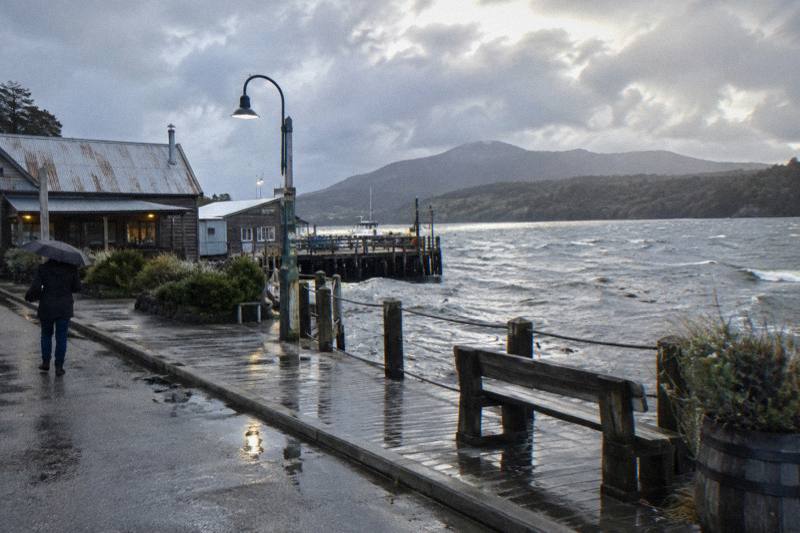
What Should I Pack For A Multi-Day Tasmania Tour Or Guided Walk?
A packing guide for multi-day Tasmania tours and guided walks: layers for fast-changing weather, what your trip already covers, and what to ask the operator before you pack.
Short answer
Pack layers you can add and shed in a day, a rain shell, sturdy walking shoes and a small day pack, because Bureau of Meteorology averages show Hobart ranging from a 21.8 degree mean maximum in January to 11.9 in July. Beyond that, what to bring depends on what the trip already covers: several tours include park fees, and some include meals, so check the booking page before you pack duplicates.
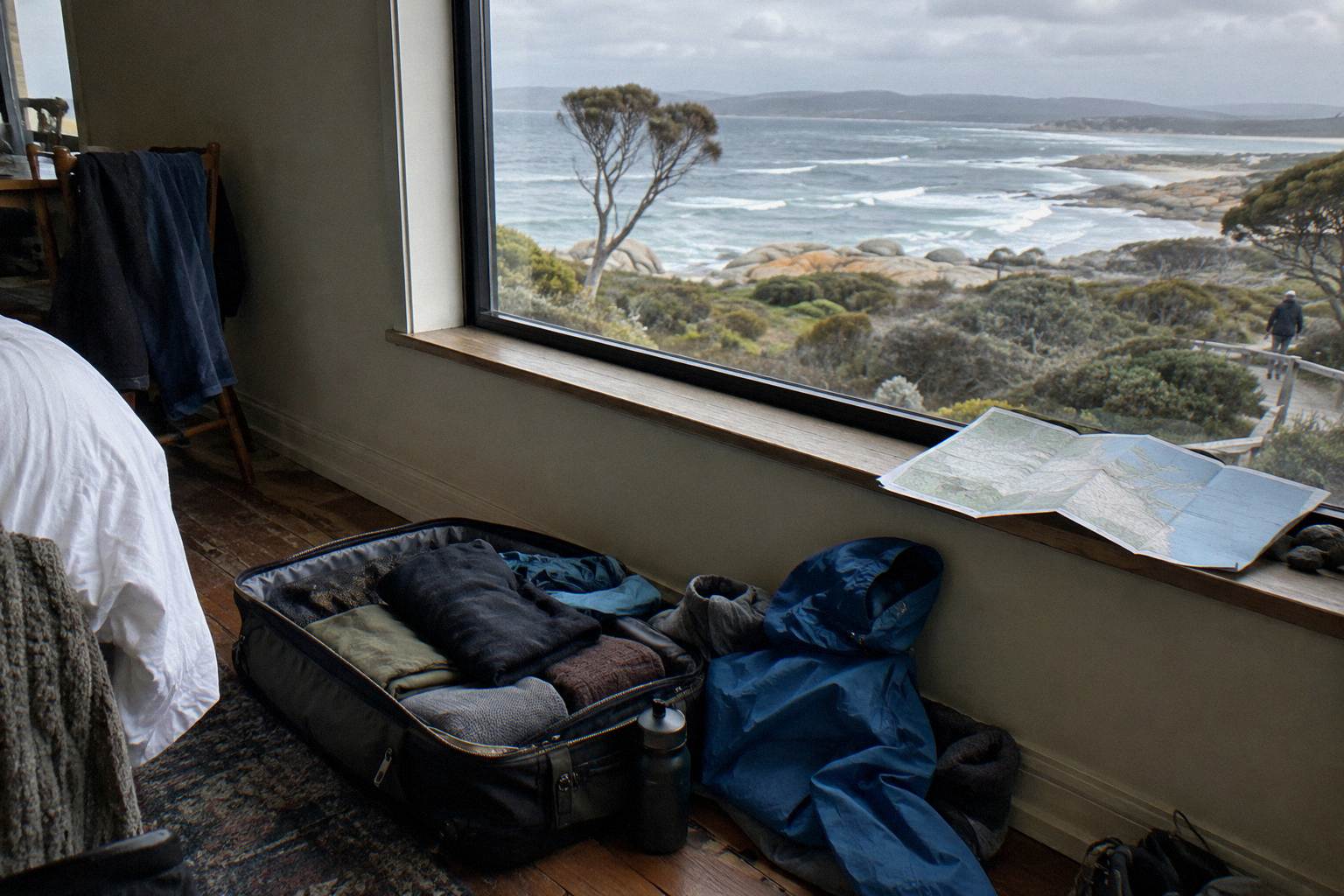
Packing for Tasmania trips is a layers problem before it is a luggage problem. The Bureau of Meteorology's long-run averages for Hobart show a mean maximum of 21.8 degrees in January against 11.9 in July, and the same station records about 610 mm of rain a year, so a single-weather wardrobe fails in any season. The second half of the packing question is what the trip already carries for you: several of the multi-day options include National Park fees, some include most meals, and one lodge-based walk includes nearly everything except your boots. Get those two things right, layers and inclusions, and the bag mostly packs itself.
If the decision is bigger than the bag and a guided circuit is on the shortlist, the coast circuits hub lays out the loop trips that start and finish in Hobart, and a packing plan falls out of whichever one fits your dates.
Quick Facts
| Fact | Detail |
|---|---|
| Weather planning baseline | Weather changes fast in Tasmania; carry layers rather than one warm jacket |
| Hobart mean maximum, January | 21.8 degrees C (Bureau of Meteorology) |
| Hobart mean maximum, July | 11.9 degrees C (Bureau of Meteorology) |
| Hobart annual rainfall | About 610 mm a year (Bureau of Meteorology) |
| Launceston Airport annual rainfall | About 678 mm a year (Bureau of Meteorology) |
| Guided walk pack weight | The Maria Island Walk uses packs of 6 to 8 kg, on an operator trip not sold here |
| Stove rule | A fuel stove is the only stove allowed in the World Heritage Area (Parks and Wildlife Service) |
| Park fees on tours | Whether a trip includes park entry varies by booking page; several loop tours list National Park fees as included |
Pack in layers you can add and remove across a single day, a rain shell that lives at the top of your bag, broken-in walking shoes, a day pack for walks and stops, and whatever the trip does not already include, which for most vehicle tours means lunch money and for some lodge walks means almost nothing beyond personal gear. The Bureau of Meteorology averages for Hobart and Launceston Airport are the only verified climate numbers for planning, and both stations swing more than ten degrees between the January and July mean maximums, with rain spread across every month. A bag built around that reality, base layers, a mid layer, a shell, and comfortable shoes, handles a minibus loop through Strahan and Cradle Mountain the same way it handles a guided walk on the Tasman Peninsula.
The distinction that decides most of the bag is vehicle tour versus guided walk. On a minibus loop such as the Proven 5-Day Loop, the vehicle carries the main luggage between hotels, so the day-to-day kit is a small pack with water, a shell and a camera, and the bigger bag rides in the back until each night's stop. The booking page for that trip lists 4 nights accommodation, National Park Entry Fees and an expert guide as included, with no meals in the fare, so food money and snacks belong in the day pack. On a lodge-based walk the calculus flips: the operator moves luggage or supplies between lodges, and what you carry on the trail shrinks to layers, water and personal items, with meals usually covered.
Between those two formats sits a wide middle. The 7-Day Value Loop, from US$1,151 per person, is the same minibus style with two extra days, six nights of accommodation included and Port Arthur Historic Site entry in the fare, and tour amounts on the page are in US dollars. The Lodge-Based Capes Walk, from US$2,084 per person, is a different animal altogether: a 4-day, 3-night guided walk with breakfast, lunch, dinner and daily snacks included, starting from Hotel Grand Chancellor Hobart, so the packing question there is boots, layers and very little else. Asking which of those shapes a trip takes is the first question to answer before anything goes in the bag.
How Does Tasmania's Weather Shape A Packing List?
The two verified climate records, Hobart at Ellerslie Road and Launceston Airport, show summer mean maximums of 21.8 and 23.2 degrees in January falling to winter mean maximums of 11.9 and 10.9 in July, with rain in every month, so the packing plan is the same in January and July: base layers, a warm mid layer, a waterproof shell and shoes that can handle wet ground. No snow month can be promised or ruled out for alpine areas, so the planning rule is the one the rangers give: weather changes fast, carry layers. A day that starts mild can end cold and wet on a headland or an alpine plateau, and the bag has to cover both ends of that without a full wardrobe.
| Station | Mean max January | Mean max July | Mean min January | Mean min July | Annual rain |
|---|---|---|---|---|---|
| Hobart (Ellerslie Road) | 21.8 °C | 11.9 °C | 12.1 °C | 4.7 °C | about 610 mm |
| Launceston Airport | 23.2 °C | 10.9 °C | 10.2 °C | 2.3 °C | about 678 mm |
Those numbers are long-run monthly averages from the Bureau of Meteorology for those two stations only, and the monthly tables behind them are published at the Hobart climate averages and the Launceston Airport climate averages. Two practical readings follow. First, the summer mean maximum near 22 degrees does not mean a warm day is guaranteed on a mountain, and the winter mean minimum below 3 degrees at Launceston Airport does not mean a frozen one in town, so the averages set expectations, not forecasts. Second, rain falls somewhere in the state in every month of the year at both stations, which is why a rain shell earns its place in the bag even in the driest stretch of the plan.
Layering beats bulk for another reason: a minibus day moves between climates. A loop that runs from Hobart to Strahan, up to Cradle Mountain and back down the east coast crosses west-coast rainforest, alpine plateau and sheltered beach towns inside a few days, and no single jacket covers all three comfortably. Three thin layers that can be worn together, a sun hat and a warm hat, and a shell that packs small do more work than one heavy coat. The same logic applies on foot: the operators that run guided walks ask for moderate fitness and good mobility, and layers you can adjust on the move keep a walking day comfortable when the weather turns.
What Do The Trips Already Cover So You Do Not Pack Twice?
Read the inclusions on the booking page before buying anything for the trip, because the multi-day options differ sharply: the Proven 5-Day Loop includes 4 nights accommodation and National Park Entry Fees but no meals, and the Hotels-And-Meals Circle includes breakfast on all seven nights, lunch on six and dinner, so the food you pack, or do not pack, depends entirely on which fare you hold. Park fees are the other big line: several loop tours list National Park Entry Fees as included, which matters because the Parks and Wildlife Service lists a Daily Pass at A$49.15 per vehicle and an Icon Daily Pass for Cradle Mountain at A$30.70 for an adult, money an included-fee tour saves you at the gate.
| Trip | Meals in the fare | Park fees | Accommodation |
|---|---|---|---|
| The Proven 5-Day Loop | No meals in the fare | National Park Entry Fees included | 4 nights included |
| The 7-Day Value Loop | No meals in the fare | National Park Entry Fees included | 6 nights included |
| The Comfort Stays Version | Dinner (3), breakfast (4), Gordon River cruise with lunch | National Park Fees included | 5 nights included |
| The Full Island Walkabout | Dinner (5), breakfast (8) | National Park Fees included | 9 nights included |
| The Hotels-And-Meals Circle | Breakfast (7), lunch (6), dinner | All National Parks passes and fees | 7 nights included |
| The Lodge-Based Capes Walk | Breakfast (3), lunch (4), dinner (3), daily snacks | Park entry fees included | 3 nights included |
| The Big 3 One-Way | Food and drinks not included | National Park entrance fees included | Not included, book your own |
Two rows in that table change the bag more than they look. The Big 3 One-Way, from US$390 per person, does not include accommodation: its booking page says you need to book 2 nights in Hobart and 2 nights in Launceston yourself, so that trip is packed like a day-tour series with a suitcase waiting at each end, and the group stops to buy takeaway lunch along the way. The Lodge-Based Capes Walk sits at the opposite pole: with meals, snacks and transfers included, the bag shrinks to walking gear and personal items, and the only printed exclusion lines are traveller's insurance and alcoholic beverages.
The pattern to extract is simple. Vehicle loops with no meals in the fare need a day pack that can carry lunch, water and snacks bought on the road, plus money for food across the whole trip. Comfort-tier loops with partial meals need breakfast-level gear only on the uncovered mornings. Lodge walks need almost nothing from the kitchen. Before packing anything consumable, confirm the meal count for your exact departure on the booking page, because the fare lines above are per trip, not per season, and the question costs nothing to ask.
What Changes Between A Minibus Tour And A Lodge-Based Walk?
A minibus tour means one main bag plus a day pack, with the vehicle moving luggage between hotel stops and the walking kit reduced to shoes, layers and water, while a lodge-based walk means the trail bag carries only what a walking day needs because the operator moves the rest and feeds you, so the real packing difference is not volume but weight distribution and footwear. The Proven 5-Day Loop, rated 4.9 from 450+ reviews, runs with a group maximum of 24 and pickups at selected Hobart CBD locations, a style where the main bag can be as ordinary as a suitcase. The Lodge-Based Capes Walk runs with a group maximum of 10 and starts at Hotel Grand Chancellor Hobart with transfers included, a style where the boots matter more than the bag.
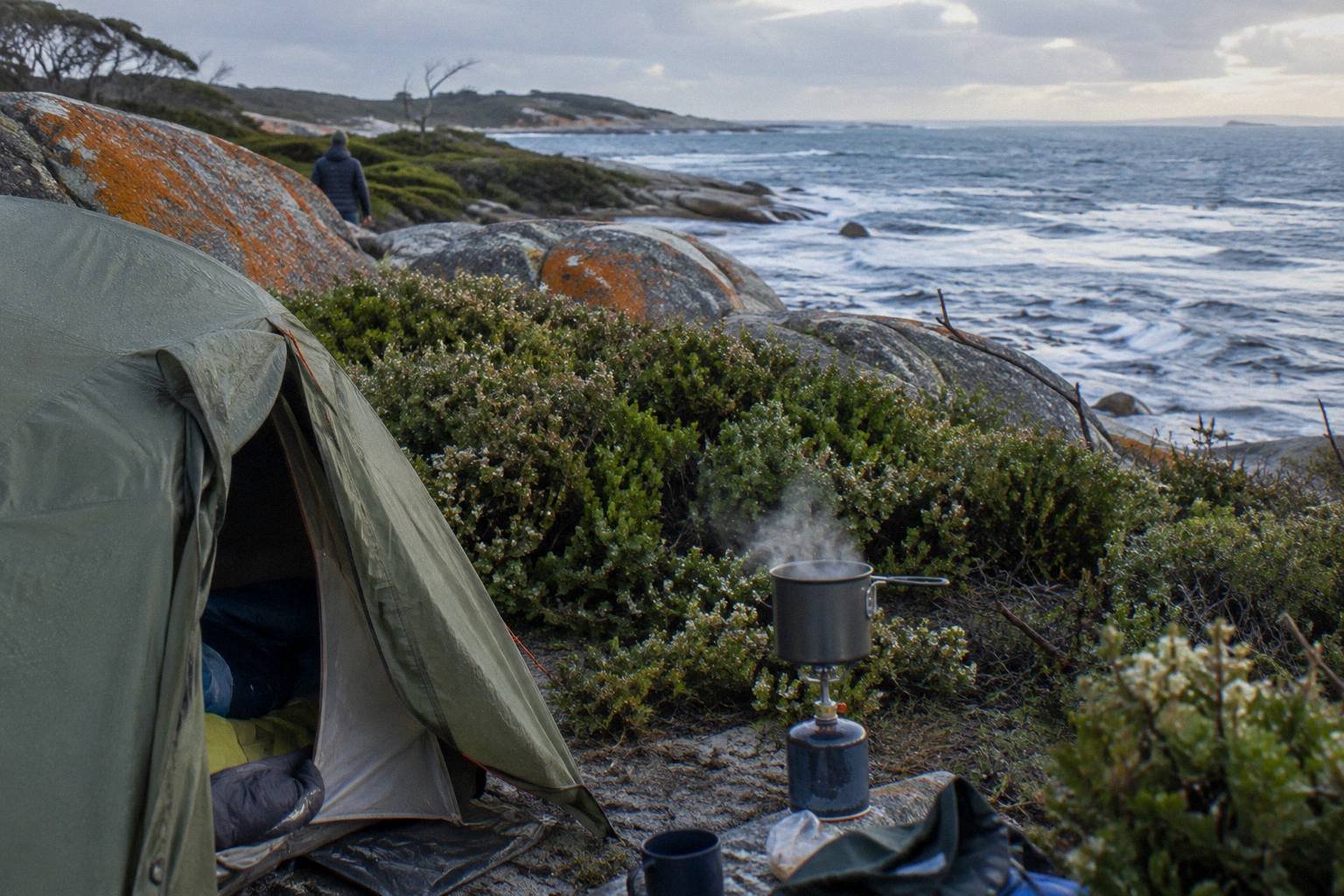
For the walk end of that spectrum, the one verified pack figure available comes from outside the trips sold here: the Maria Island Walk, a 4-day operator trip from October to April, uses packs of 6 to 8 kg with 10 to 15 km a day, which sets a realistic ceiling for what a guided walking day asks of a body. On a minibus loop the walking is shorter, and Under Down Under's own tour pages describe walks of 20 minutes to 4 hours with moderate fitness and good mobility expected. Neither number is a promise about your departure, but together they bracket the range: plan shoes and layers for a few hours on foot regardless of which trip you choose.
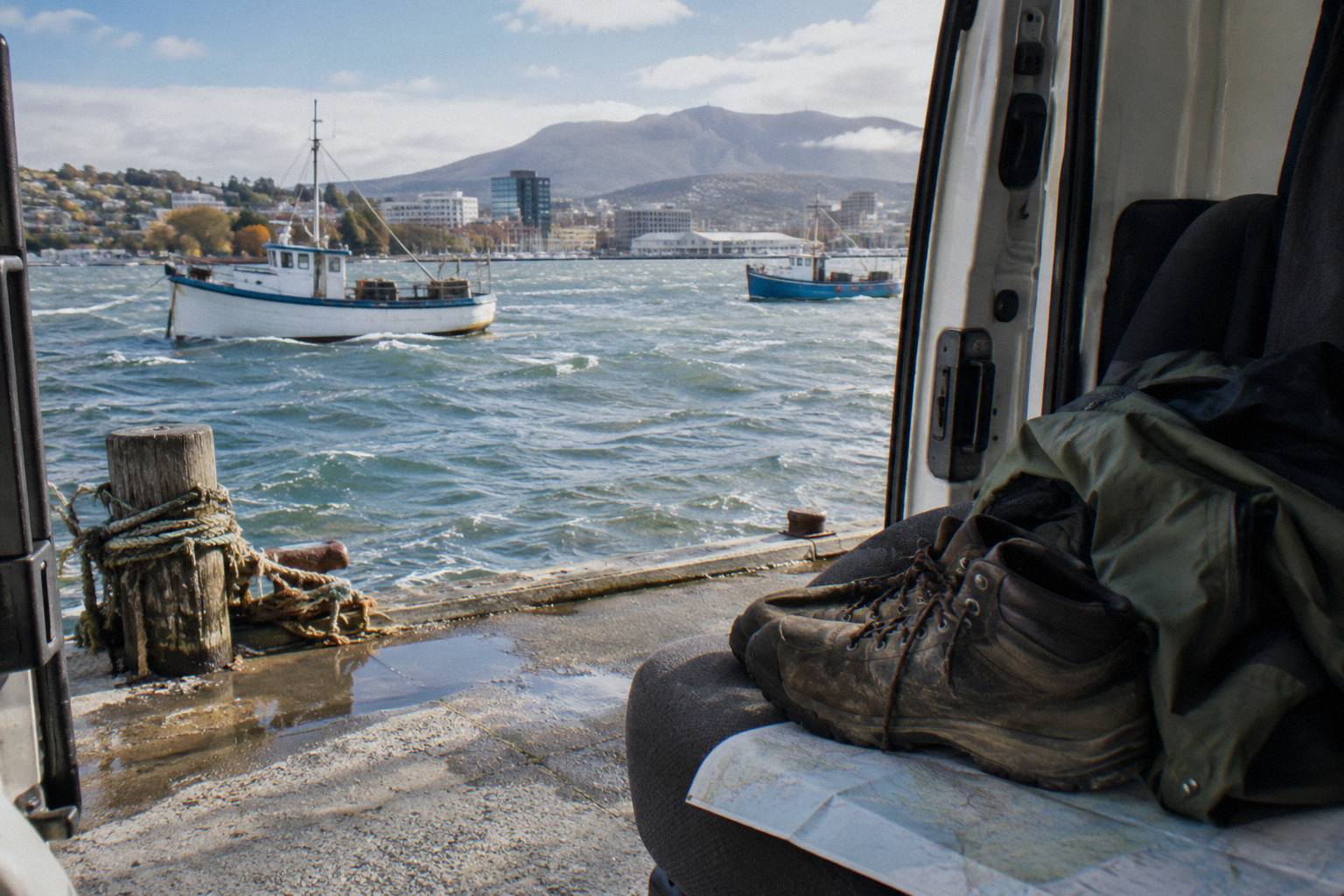
Footwear is where the two formats meet anyway. A minibus loop still walks at Cradle Mountain, on the Wineglass Bay side of Freycinet, and around Port Arthur, so trail shoes with grip serve both formats, and a fresh pair worn in before departure serves both feet. The stove rule matters only if a plan includes independent camping in the World Heritage Area, where the Parks and Wildlife Service allows a fuel stove as the only stove, but it is worth knowing on any walk-adjacent itinerary. For a deeper look at the fitness side of the question, the guide on how fit you need to be for a multi-day guided walk covers the walking demands trip by trip.
- The 13-Guest Wildlife TripUS$703
- The Proven 5-Day LoopUS$737
- The Maria Island RouteUS$1006
- The 7-Day Value LoopUS$1151
- The Comfort Stays VersionUS$1672
Packing Around Maria Island And The Painted Cliffs
The Maria Island Route, priced from US$1,006 per person, runs for 6 days and 5 nights as a vehicle-based tour, but one full day shifts to Maria Island, and that day reshapes your packing list. The island is ferry-access only with no vehicles allowed on board, ferry bookings are essential, and the Painted Cliffs rock platform is safest within two hours of low tide, so pack shoes suited to a ferry ramp and wet rock. The Parks and Wildlife Service names wombats, devils, kangaroos and Cape Barren geese as wildlife on the island, with no guarantee of a sighting, so binoculars are a fair-weight item if wildlife watching is the point of the day. The booking page for the Maria Island Route lists dinner and breakfast in the fare with all other meals not included, so lunch planning stays with you.
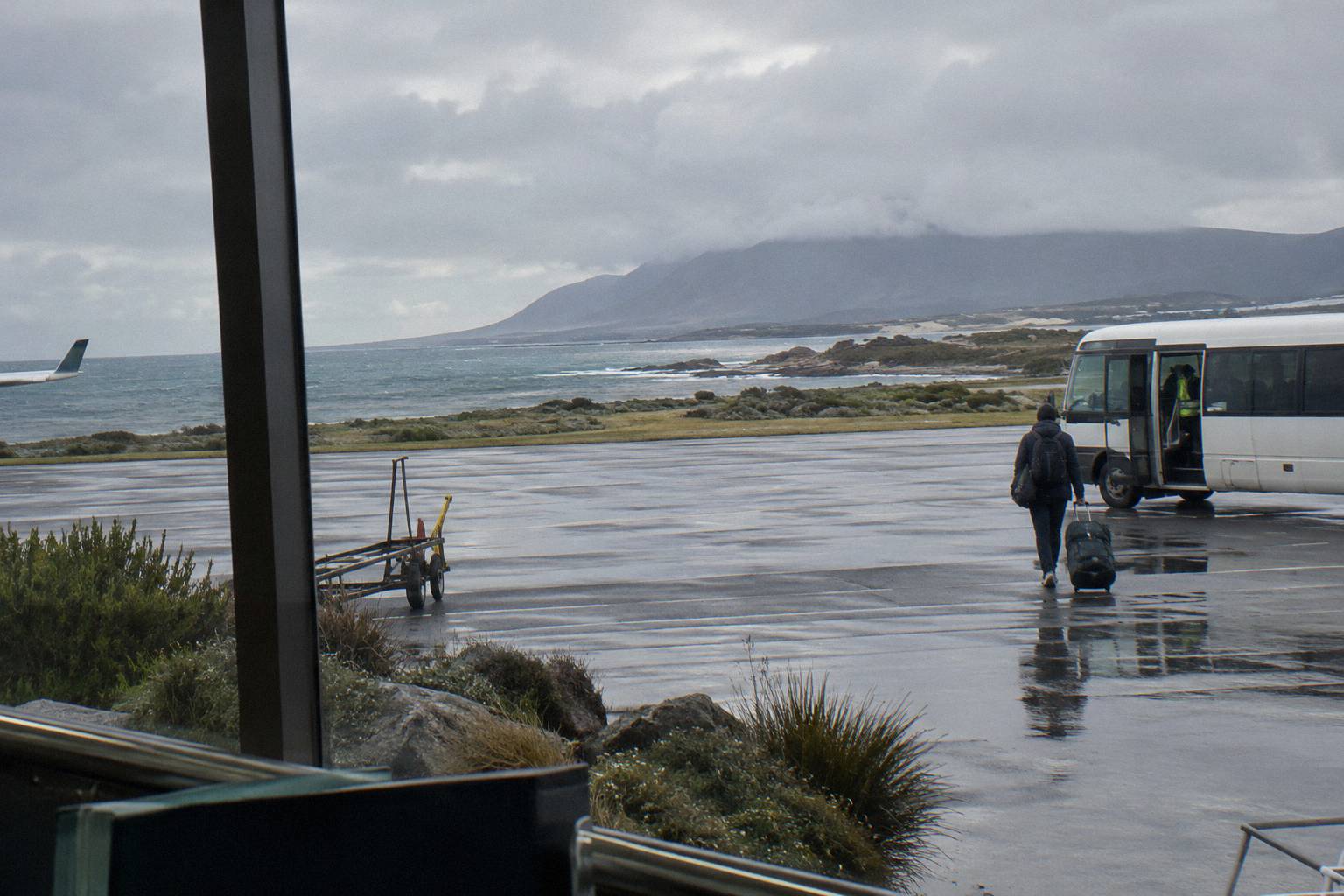
The tide rule deserves its own line in the plan. The Painted Cliffs platform is safest within two hours of low tide and there is no clifftop access, so the operator's timing for that stop is the operator's call, and the packing response is simply footwear that handles a wet platform plus a shell in case the weather turns while the group is out on it. Bikes can go on the ferry for a fee, per the Parks and Wildlife Service, which is a question worth asking the operator if a ride sounds appealing. The ferry itself is a booking-essential service out of Triabunna, and the booking line for the trip covers the itinerary; anything the booking page does not spell out, from luggage limits on the ferry to the day's exact sequence, is a question for the operator when you book.
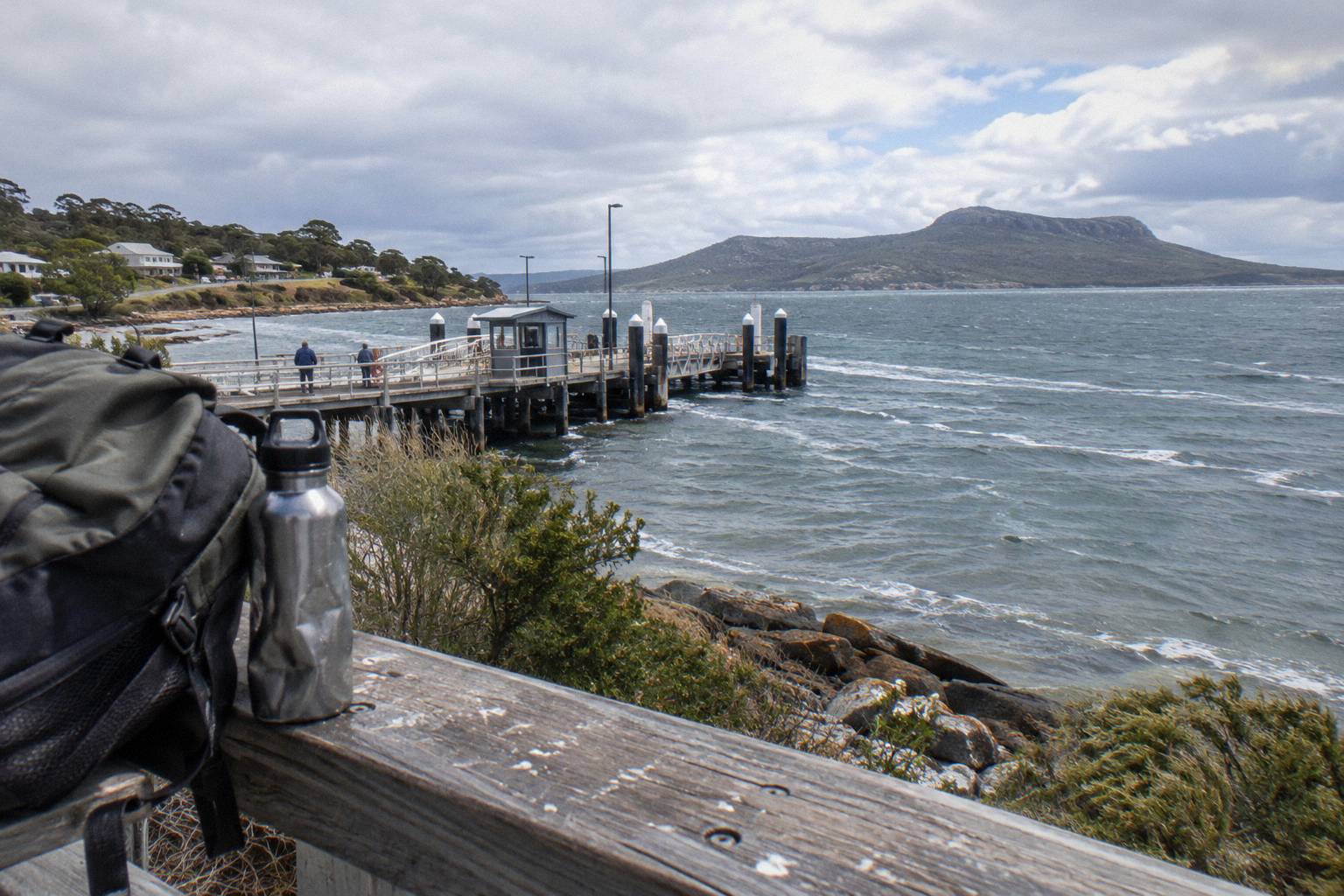
For comparison, the 13-Guest Wildlife Trip, from US$703 per person and rated 4.8 from 33 reviews, includes Wildlife Sanctuary Entry and a Cradle Mountain shuttle bus ticket in its fare, with 1 dinner and 1 breakfast included and most other meals not, so a wildlife-focused plan still comes down to the day pack and the meal gap. Its booking page notes free cancellation up to 3 days before, which is a packing-adjacent comfort: plans that can still change a week out are plans where the bag should stay flexible too. Whether any particular animal appears on any particular day is never something to pack for, only to be ready for.
What To Ask The Operator Before You Zip The Bag
Ask the operator five things before final packing: how much luggage the vehicle or the lodge transfer can carry, which meals the fare covers on your exact departure, what the walking hours and ground look like on the days that matter to you, whether any gear such as poles or rain capes is provided, and what the cancellation terms are, because the answers move real items in and out of the bag. The booking pages state group maximums, meal counts and inclusions per trip, but luggage allowances, luggage handling at hotel stops and gear loan are the kind of detail that lives with the operator rather than in a fare line, and a short email before departure beats discovering a limit at the pickup point.
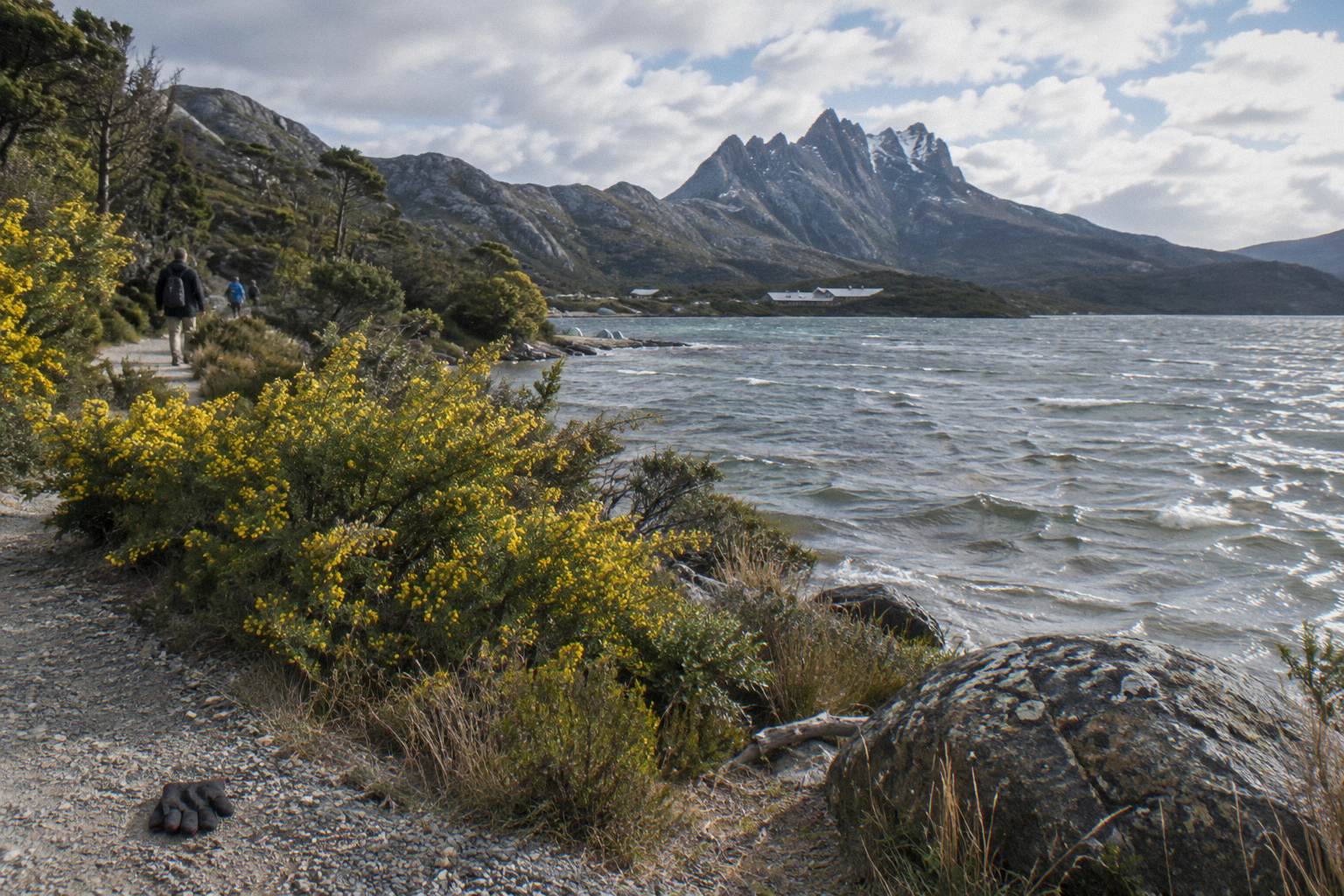
A checklist worth sending:
- Luggage: how many bags per guest, and is the main bag reachable during the day or stored on the vehicle?
- Meals: which breakfasts, lunches and dinners are covered, and are dietary needs handled if you flag them when booking?
- Walking: how long are the walks on your route, and what ground do they cover, wet boardwalk, sand, rock platform or alpine track?
- Weather plan: what happens to the itinerary if a day turns wet or windy, and what does the operator recommend guests carry daily?
- Gear: are walking poles, rain capes or day packs provided, and is there anything the operator asks guests not to bring?
The cancellation answer matters as much as the packing one. The Proven 5-Day Loop's booking page describes free cancellation up to 14 days before, the Lodge-Based Capes Walk's booking page describes free cancellation up to 60 days before, while the 13-Guest Wildlife Trip and the Maria Island Route each note free cancellation up to 3 days before and the Two Icons From Launceston notes free cancellation up to 24 hours before.
What Trips People Up Before Packing For A Multi-Day Tasmania Tour
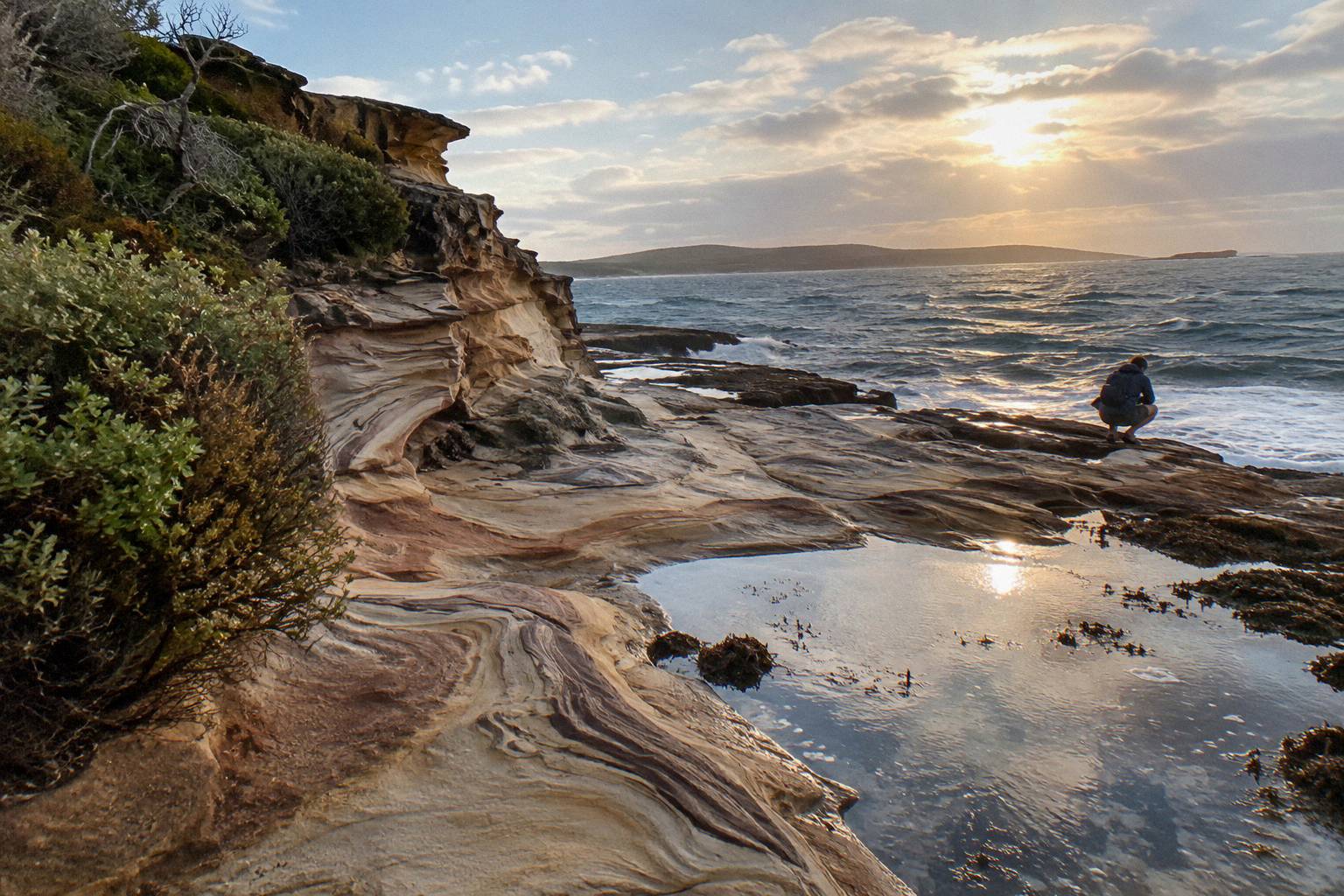
The recurring packing mistakes are packing for one climate instead of layers, buying gear the fare already covers, assuming every trip includes meals or accommodation when several do not, bringing brand-new shoes to a walking itinerary, and skipping the questions about luggage and cancellation that only the operator can answer. Each of these is avoidable with one reading of the booking page's inclusions and one email to the operator, and the cost of skipping them ranges from a heavy, wrong bag to a genuinely disrupted departure.
The accommodation assumption is the costliest one. The Big 3 One-Way's booking page says plainly that accommodation is not included and that you book 2 nights in Hobart and 2 nights in Launceston yourself, and the Two Icons From Launceston, from US$272 per person, likewise does not include accommodation, with the cost varying by hotel. Arriving packed for an all-inclusive trip that is not one means arriving without a plan for beds. The meal assumption is the same trap in miniature: packing no food money for a fare that includes no meals makes for hungry stretches between towns, and packing a stove for a trip that feeds you is dead weight.
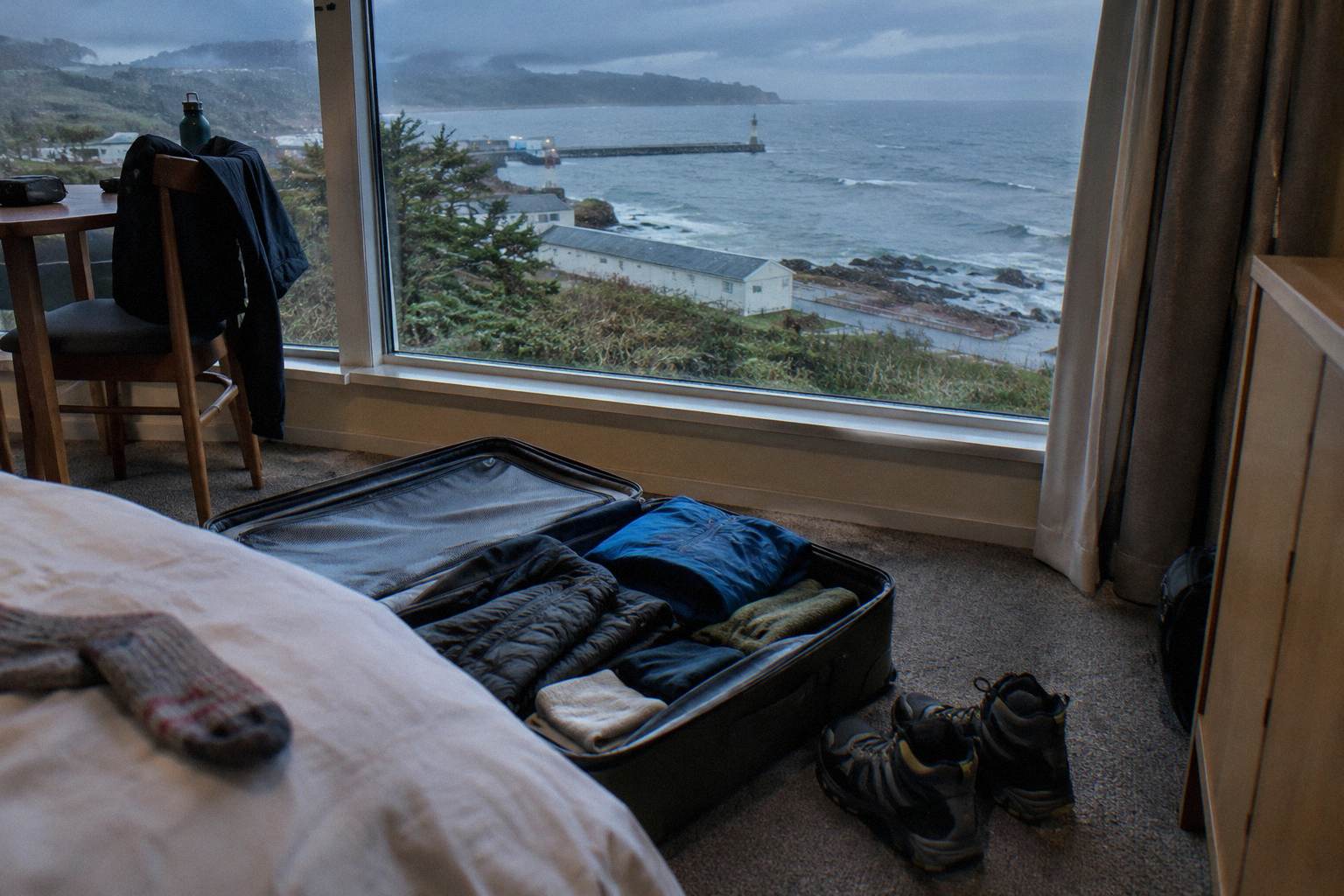
The layers mistake runs the other direction: travellers pack for the January average and meet a July-style afternoon at altitude, or pack a single heavy coat and spend every indoor stop overheating. The Bureau of Meteorology numbers for both cities, summer mean maximums of 21.8 and 23.2 degrees, winter mean maximums of 11.9 and 10.9, are averages for those stations, not forecasts for your day, and the planning consequence is the same in every season: base layer, mid layer, shell, repeat. For a wider view of the missteps that catch multi-day walkers, from quota confusion to weather complacency, see what to be careful of on a multi-day Tasmania walk.
The gear question has a budget angle too. A valid parks pass is required for Tasmanian national parks, and the Parks and Wildlife Service lists a Holiday Pass at A$98.35 per vehicle or A$49.20 per person for up to two months, figures reviewed each year, but several loop tours already include National Park fees in the fare, so buying a pass before reading the inclusions is money spent twice. The same test applies to shuttle tickets: the 13-Guest Wildlife Trip includes a Cradle Mountain shuttle bus ticket, and the Overland Track fee described by the Parks and Wildlife Service includes the Cradle shuttle, so the pass line on the booking page decides the wallet before the bag. Tasmania Multi-Day Tours keeps the fare lines for every trip on its tour pages, which is the fastest way to settle what stays home.
Choosing The Bag That Matches The Trip
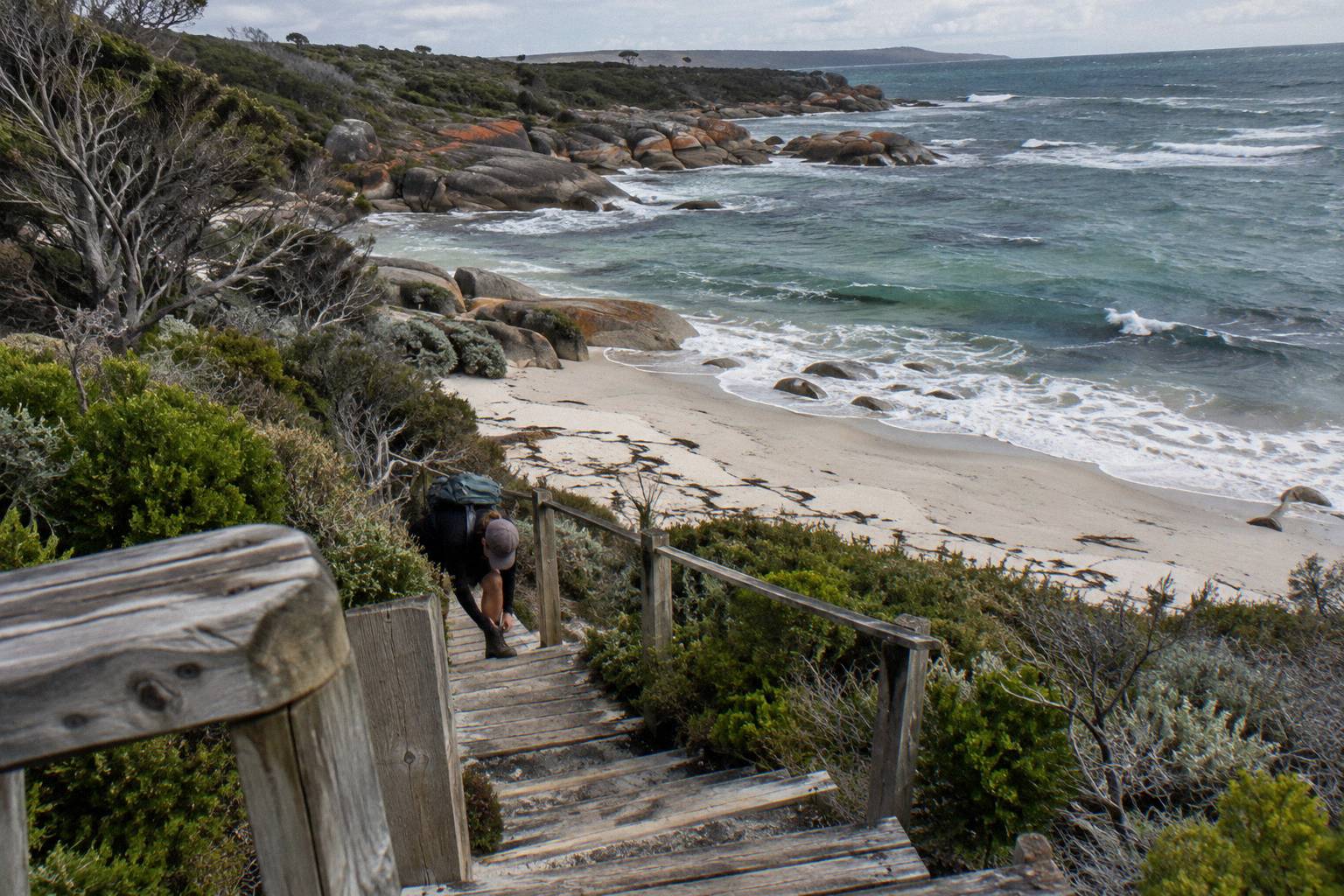
Match the bag to the format: a soft duffel or suitcase plus a 20 to 30 litre day pack for a minibus loop, a single pack you can carry all day for a walk-based itinerary, and a day-tour-sized kit for the short options, because the format, not the destination, sets the weight. The Proven 5-Day Loop's day structure, Hobart to Strahan, west coast, Cradle Mountain to Launceston, then the east coast home, means the main bag is unloaded once per night while the day pack carries the walking kit. The 7-Day Value Loop adds the Tasman Peninsula days, and the Comfort Stays Version adds a Gordon River cruise with lunch, none of which changes the bag, only the meal money.
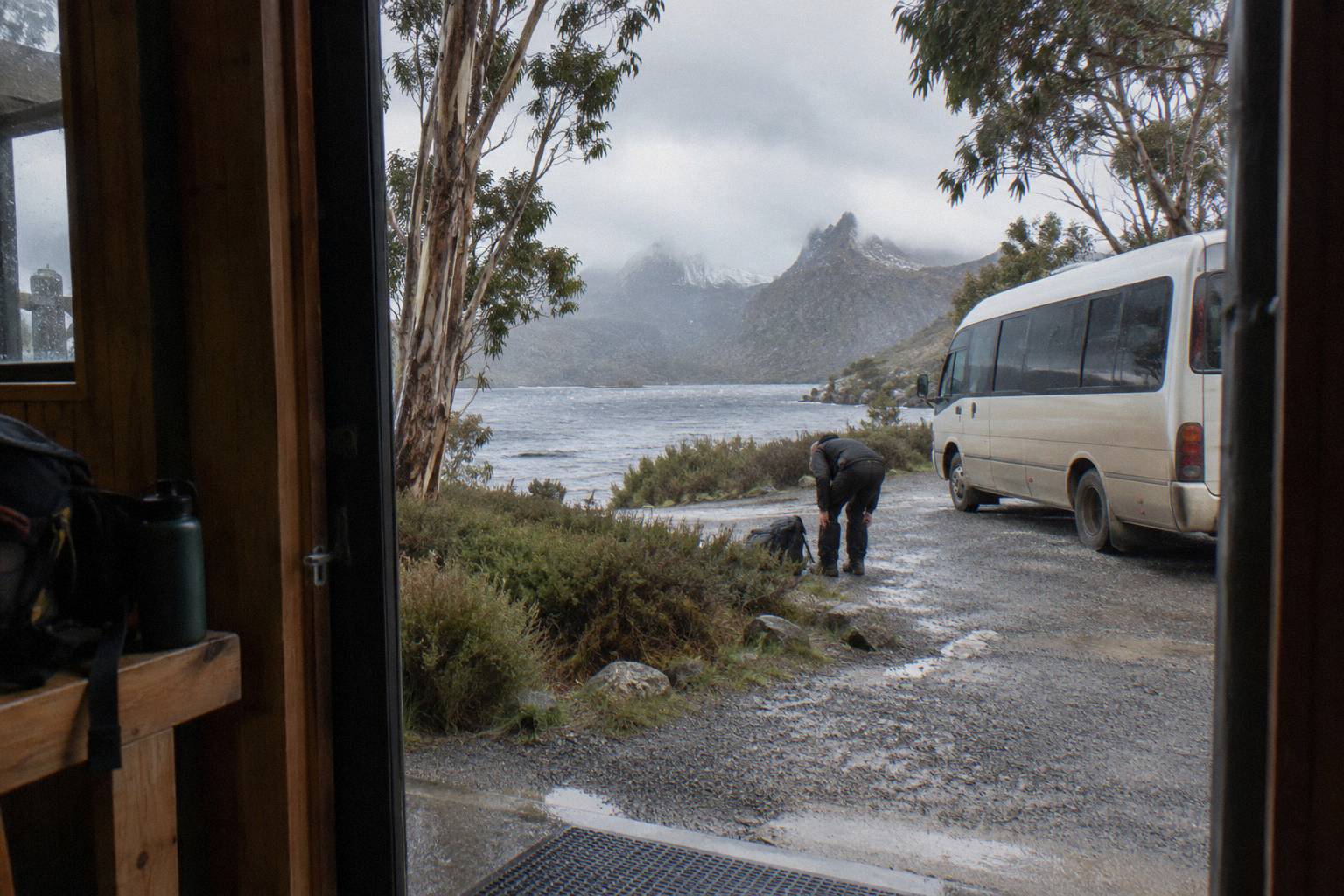
The short and mid options deserve the same logic. The Overnight At Cradle, from US$299 per person, is 2 days and 1 night with breakfast included and a Lakeside Motel night named on the booking page, so it packs like a weekend: one small bag, walking shoes, a warm layer for the mountain, and little else. The One-Day Cradle Fix, from US$165 per person, and the One-Day East Coast Taste, from US$102 per person, are adjacent day tours rather than multi-day trips, and they take nothing more than a day pack with water, a shell and comfortable shoes. If the plan is a longer loop with days like those bolted on, the day pack does double duty and the main bag stays in Hobart.
Whichever shape the trip takes, the packing sequence stays the same: layers for the averages, a shell for the rain both stations record in every month, shoes for the walking the operator describes, and nothing the fare already covers. The Bureau of Meteorology tables, the booking page inclusions and one note to the operator are the whole preparation, and everything else in the bag is preference.
Common Questions About Packing For A Multi-Day Tasmania Tour Or Walk
What Should I Pack For A Multi-Day Tasmania Tour Or Guided Walk?
Layers you can add and shed, a waterproof shell, broken-in walking shoes, a day pack, and whatever the fare does not include, which on several vehicle loops is meals and on lodge walks is almost nothing. The Bureau of Meteorology averages for Hobart and Launceston show summer mean maximums of 21.8 and 23.2 degrees and winter mean maximums of 11.9 and 10.9, with rain in every month, so the bag is built for change, not for a forecast.
Do I Need To Bring A Parks Pass Or Pay Park Fees Myself?
It depends on the fare. A valid parks pass is required for Tasmanian national parks, and the Parks and Wildlife Service lists a Daily Pass at A$49.15 per vehicle and an Icon Daily Pass for Cradle Mountain at A$30.70 for an adult, but several multi-day trips, including the Proven 5-Day Loop and the 7-Day Value Loop, list National Park Entry Fees as included. Read the inclusions on the booking page first, and buy a pass only if the fare does not cover entry.
How Many Bags Can I Bring On A Minibus Tour?
Ask the operator. The booking pages state group maximums and inclusions but not luggage allowances, so the number of bags per guest, whether the main bag is reachable during the day, and how luggage is handled at hotel stops are questions for the operator before departure. A main bag plus a 20 to 30 litre day pack is the practical shape for a loop tour, but the operator confirms the limit.
What Shoes Suit Both A Vehicle Tour And A Guided Walk?
Trail shoes or light hiking boots with grip, worn in before departure. Under Down Under's tour pages describe walks of 20 minutes to 4 hours on its loops with moderate fitness expected, and the Maria Island Walk, an operator trip outside the options here, walks 10 to 15 km a day with packs of 6 to 8 kg. Wet boardwalk, sand and rock platforms all appear on island and peninsula itineraries, so grip matters more than ankle height.
Should I Pack Food And A Stove?
No stove on any guided trip, and food depends on the fare. Several trips include no meals, so the day pack carries lunch and snacks bought on the road, while the Comfort Stays Version includes dinner on three nights, breakfast on four and a cruise lunch, and the Lodge-Based Capes Walk includes breakfast, lunch, dinner and daily snacks. A fuel stove is the only stove allowed in the World Heritage Area, a rule for independent campers rather than guided guests.
Does The Weather Mean I Pack For Winter Even In Summer?
Pack for change in every season. The verified averages cover Hobart and Launceston only, and no temperature record for Cradle Mountain, Strahan or the east coast exists to plan from, so the working rule is that weather changes fast and layers carry the day. A summer mean maximum of 21.8 degrees in Hobart does not describe an alpine afternoon, and a shell plus a warm mid layer covers the gap without a winter wardrobe.